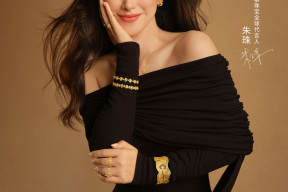
China's gold jewelry industry is currently at a historic turning point, and the ancient-method gold segment, which highlights cultural attributes and craftsmanship value, has demonstrated considerable resilience and broad prospects. According to a Frost & Sullivan report, the size of China's ancient-method gold market was RMB 157.3 billion in 2023 and is expected to reach RMB 421.4 billion by 2028, with a compound annual growth rate of 21.8% from 2023 to 2028.
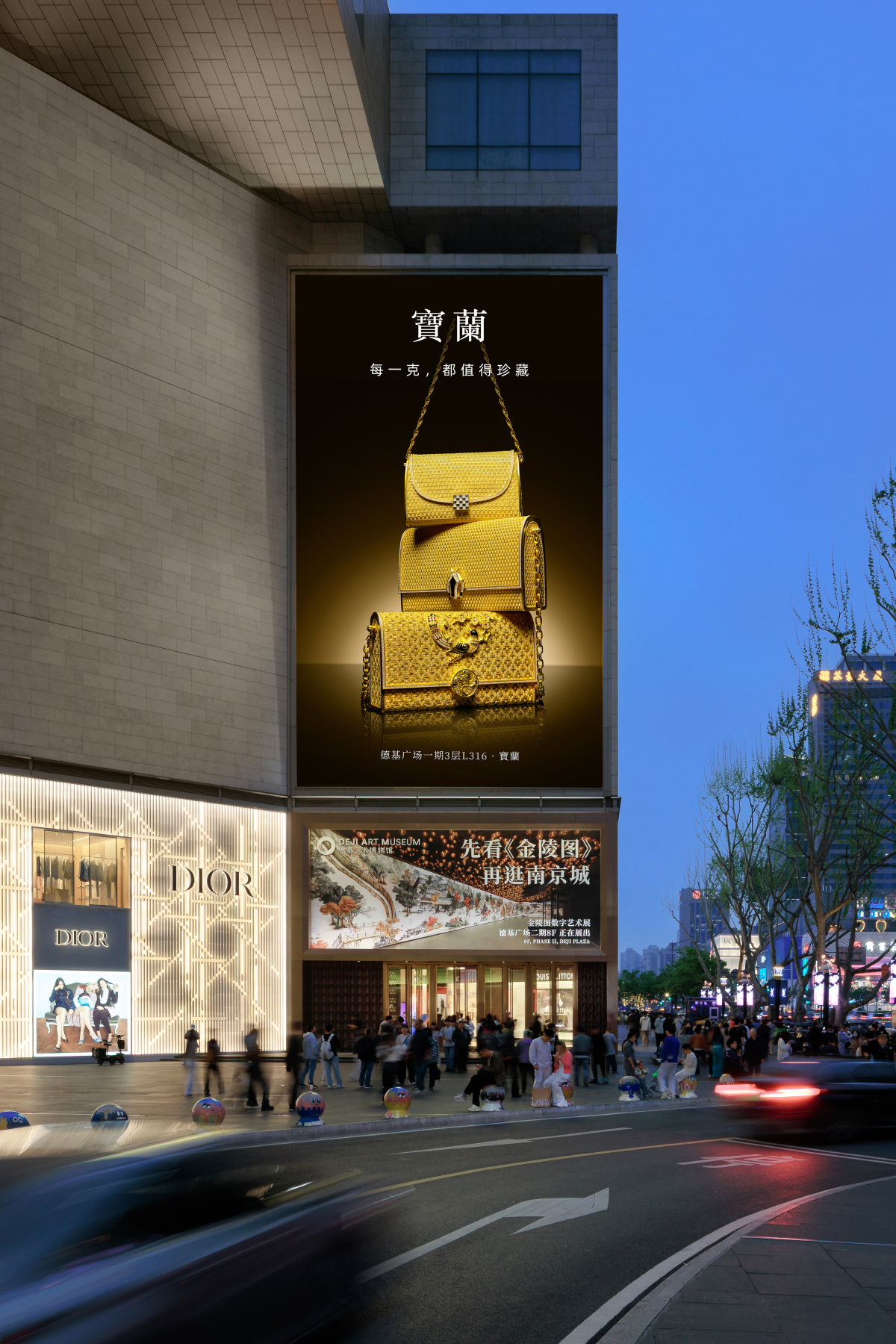
Against this backdrop, Baolan Gold has recently significantly accelerated the pace of its nationwide retail channel rollout, successively announcing its entry into two top luxury landmarks: Nanjing Deji Plaza and Beijing China World Mall.
It is worth noting that just at the end of last year, Baolan Gold became the first mainland Chinese brand invested in by French luxury giant Kering.
The first target of Kering's newly formed investment division
At the end of 2025, Kering, which owns renowned luxury brands such as GUCCI, Saint Laurent, Boucheron and Pomellato, set up a new investment and incubation division, "House of Wonders", under the leadership of its new Chief Executive Officer Luca De Meo. Its core purpose is to reduce reliance on the traditional luxury brand business, uncover new growth opportunities worldwide, and build a diversified growth matrix.
According to the plan, House of Wonders' investment direction focuses on three areas: first, investing in "culture-oriented" Chinese luxury brands, tapping the potential of local cultural value and Eastern aesthetics; second, nurturing globally promising brands with high growth potential, capturing growth opportunities among leaders in niche segments; and third, investing in innovative companies capable of creating disruptive experiences and services, driving the upgrading of business models in the luxury industry.
In December 2025, Baolan Gold became the first investment target since the establishment of House of Wonders. Notably, this is also Kering's second investment in a Chinese brand after its 2013 acquisition of Hong Kong jewelry brand Qeelin. In this round, Baolan Gold received new capital of more than RMB 100 million, led by Challenger Ventures, with Kering and Shunwei Capital, founded by Lei Jun, participating. The three investors, with different backgrounds and strong capabilities, have brought Baolan Gold not only capital support but also a strong endorsement of its unique positioning and growth potential.
More than 30 years of dedication to "filigree inlay", building a core product matrix
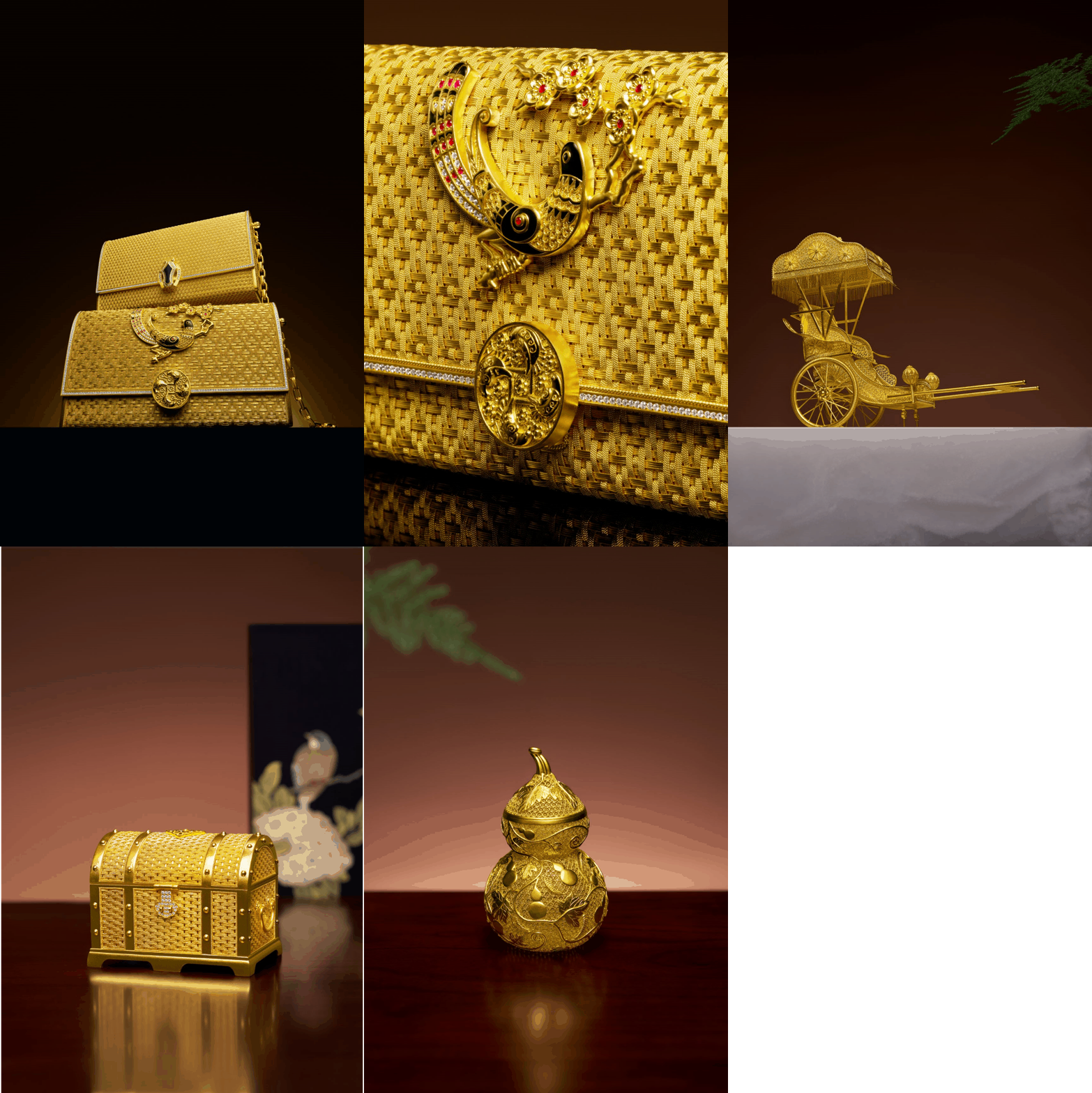
The Baolan Gold brand began in 1988 and is headquartered in Hangzhou. Since its founding, it has focused on the inheritance and innovation of filigree inlay and ancient-method gold craftsmanship. After years of development, it has formed a core product matrix including classic filigree butterflies, Baoxiang flowers, a leaf riding a dragon, filigree balls and gourds, mainly targeting the high-end ancient-method gold consumer market.
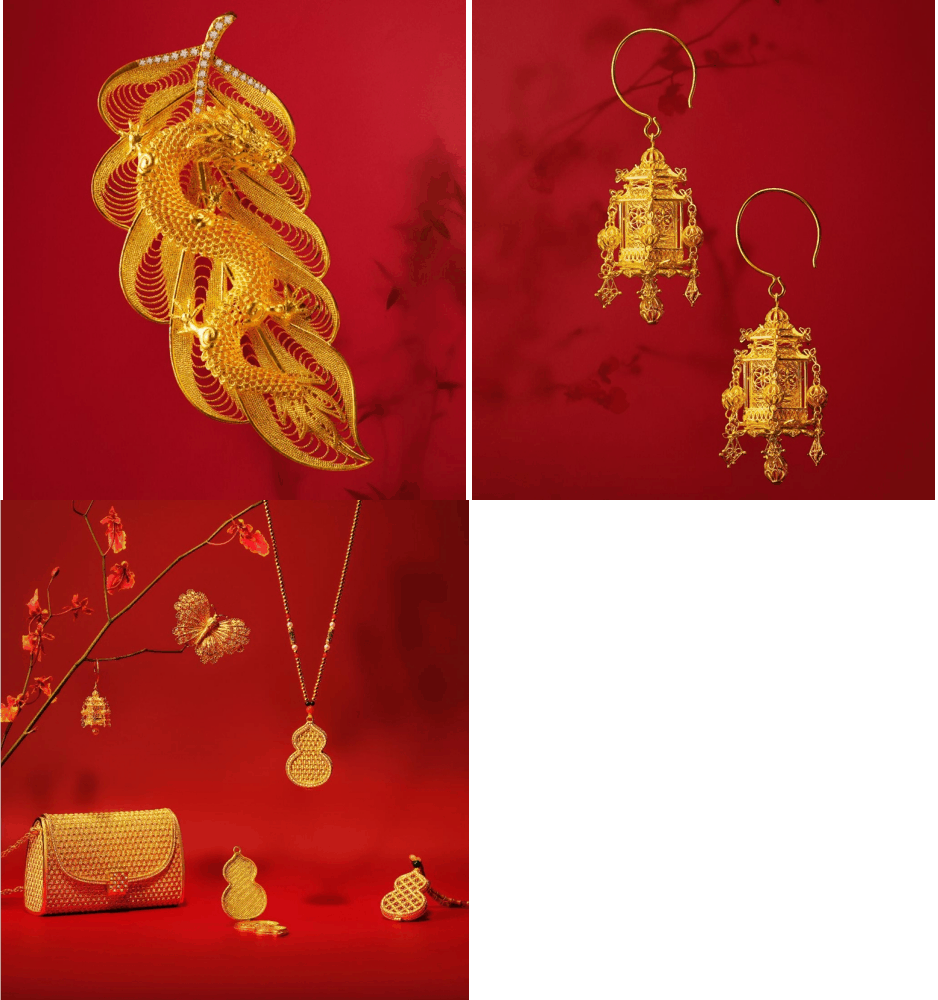
Baolan Gold's core competitiveness is concentrated on its deep cultivation of the national intangible cultural heritage craft of "filigree inlay." Filigree inlay, also known as "fine gold craftsmanship," can be traced back to the "gold and silver inlay" technique of the Spring and Autumn and Warring States periods. It is one of the "Eight Great Crafts of Yanjing" and was inscribed on the national intangible cultural heritage list in June 2008. When the former Beijing Filigree Inlay Factory was dissolved, Baolan Gold took in several national-level inheriting masters of the craft and their apprentices, laying a solid craftsmanship foundation and establishing a production model based primarily on handcrafting.
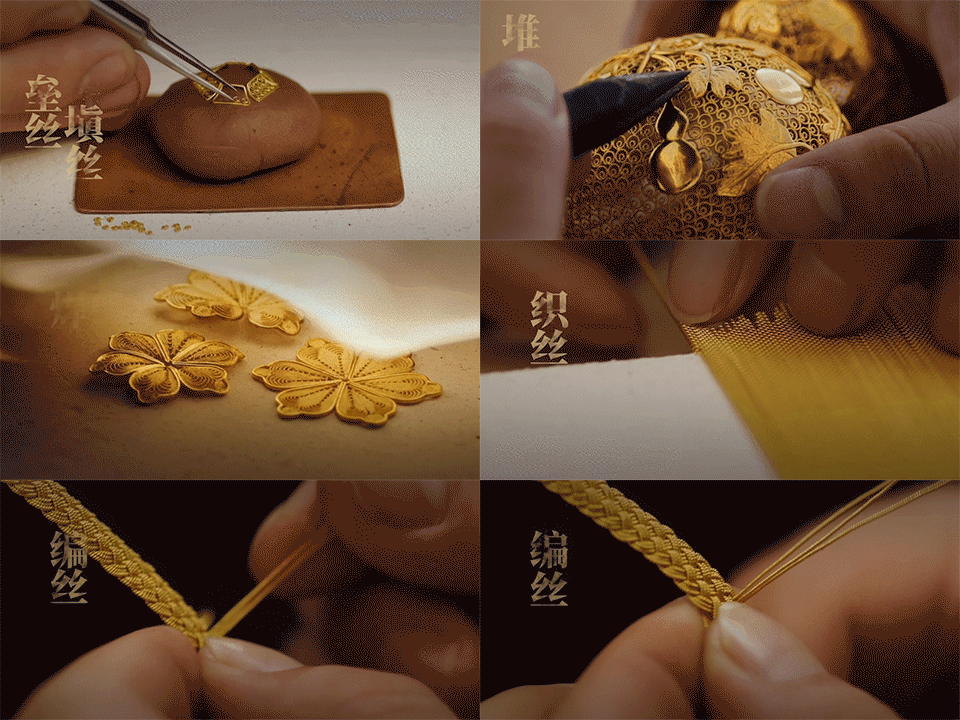
In terms of craft details, Baolan Gold's "filigree inlay" strives to feature "filigree as the bone, inlay as the ornament," using standard wire with a diameter of only 0.193 millimeters and following the eight traditional core techniques of "qia, tian, zan, han, dui, lei, zhi and bian" (clamping, filling, assembling, welding, stacking, building, weaving and braiding), then combining them with a variety of complex processes to create the pieces; for inlay, techniques such as "cuo, sou, chui, men, da, beng, ji and xiang" (filing, carving, hammering, enclosing, striking, breaking, squeezing and inlaying) are used to handcraft metal into settings and grooves, which are then inlaid with beautifully colored gemstones.
The emphasis on intangible cultural heritage craftsmanship has directly shaped the brand's business logic, enabling it to avoid the traditional gold jewelry competition model of "pricing by gram." In terms of pricing, many Baolan Gold products sell for more than RMB 2,000 per gram. Take products currently on sale in its Tmall flagship store as an example: a 21-gram filigree butterfly brooch is priced at RMB 50,008; a 56-gram Splendid Prosperity bangle is priced at RMB 126,166. The premium space mainly comes from the added value of handcraftsmanship. At the same time, limited by handcrafting and the complexity of the techniques, the production cycle for a single piece is usually as long as three months, with some complex styles taking even more than half a year, naturally limiting output and further supporting its high-end positioning.
Anchoring in top luxury retail districts, facing international brands directly
The core competitiveness formed by intangible cultural heritage craftsmanship provides support for Baolan Gold's offline expansion. Looking at its development history, Baolan Gold's offline layout has always revolved around the logic of "top luxury retail districts + high-net-worth customers," gradually advancing its nationwide footprint.
Baolan Gold's physical operations started in Hangzhou and gradually extended to core cities across the country: in 2017, the brand's first store opened in Hangzhou Tower, where luxury brands are concentrated; in 2020, it entered Hangzhou MixC, consolidating its influence in the core East China market; and in 2025, it moved into Shenzhen MixC, tapping into the high-end gold jewelry market in South China.
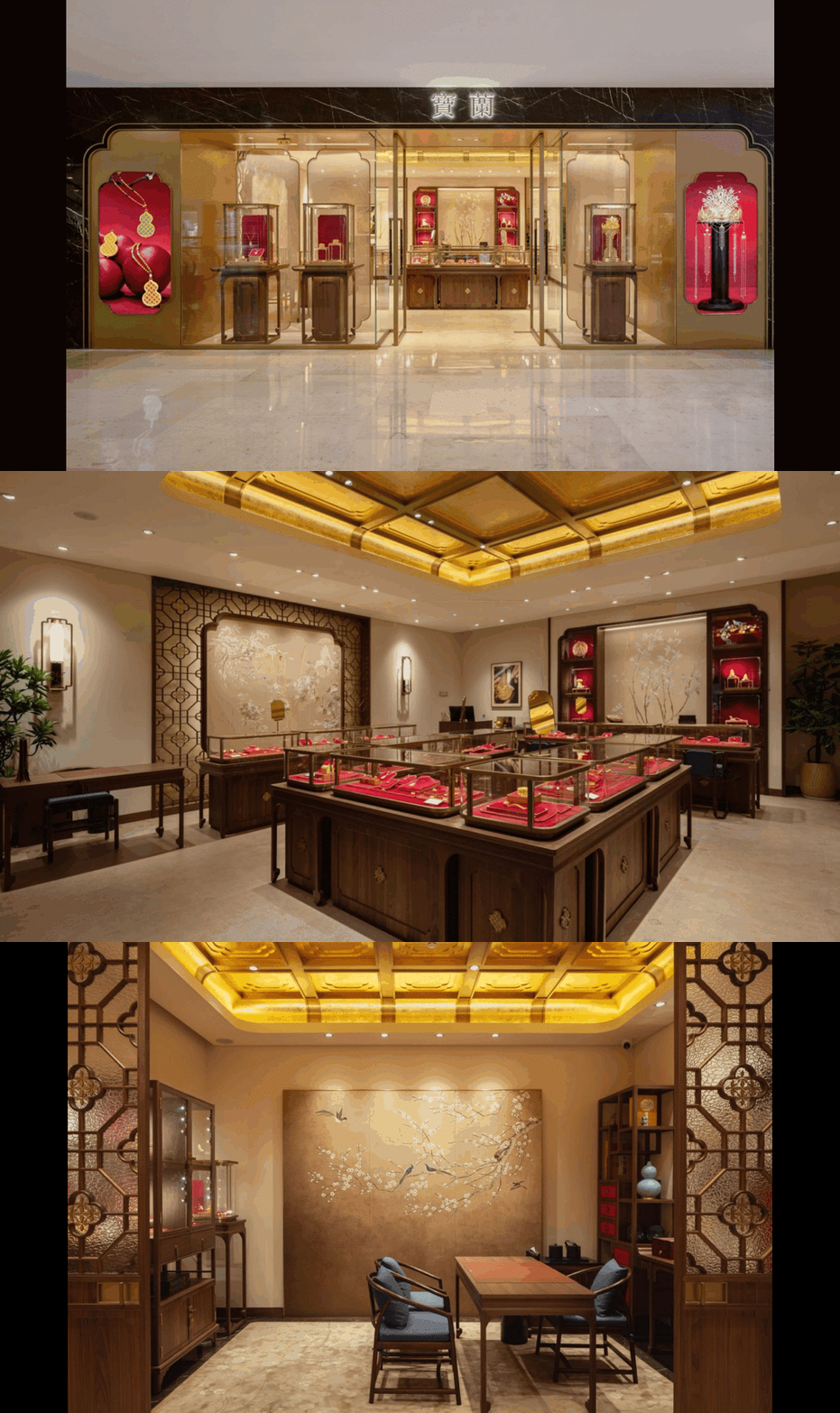
Baolan Gold's two recent store expansion moves have significantly accelerated its nationwide high-end layout: the Nanjing Deji Plaza store began trial operation on April 17. The mall recorded sales of RMB 26.24 billion in 2025, ranking first among individual malls globally, and has already formed a certain brand clustering effect in the ancient-method gold category. Baolan Gold's entry will not only help it increase exposure through the district's high-end foot traffic but also strengthen its leading position in the niche segment.
The Beijing China World Mall flagship store is scheduled to debut in June, aiming to complete Baolan Gold's layout in North China. As the gateway to top luxury retail in North China, Beijing China World Mall brings together more than 50 flagship stores of global high-end luxury brands such as Chanel, Hermès and Louis Vuitton. Baolan's entry at flagship-store规格 means it will directly move into the core operating territory of international first-tier luxury brands, engaging high-net-worth consumers on the same stage as overseas brands.
To date, Baolan Gold has initially built a nationwide offline network covering core cities in East China, South China and North China, providing a foundational framework for subsequent market expansion.
Conclusion
Baolan Gold's expansion reflects structural changes in China's high-end consumer market. According to the "2025 China Personal Luxury Market Report" jointly released by Bain & Company and Italy's Fondazione Altagamma, the mainland China personal luxury market as a whole is in a period of adjustment, and the brand advantages formed by international brands through their "foreign halo" are weakening; at the same time, local brands are gradually expanding their market share by integrating local culture. This trend is both a阶段性 manifestation of the upward development of Chinese local brands and a reflection of Chinese consumers' growing recognition of Eastern culture and aesthetics.
Domestic high-end gold jewelry brands are ushering in a rare strategic window. For Baolan Gold, which has just received Kering's endorsement, the real test lies in how to find a precise balance between the scarcity of intangible cultural heritage handcraft and capital-driven scale expansion, build differentiated brand recognition in the highly competitive gold jewelry sector, and establish a deeper emotional connection with high-end consumers.
丨Image source: Baolan Gold
丨Editor in charge: LUXECO