
The charm and opportunities of China's gold jewelry sector are being recognized more fully by international luxury giants.
At the recently concluded 9th China International Import Expo, Qeelin, the fine jewelry brand under French luxury group Kering, made a major announcement that it is officially entering the gold jewelry market with the launch of a new gold brand — Qeelin GOLD.
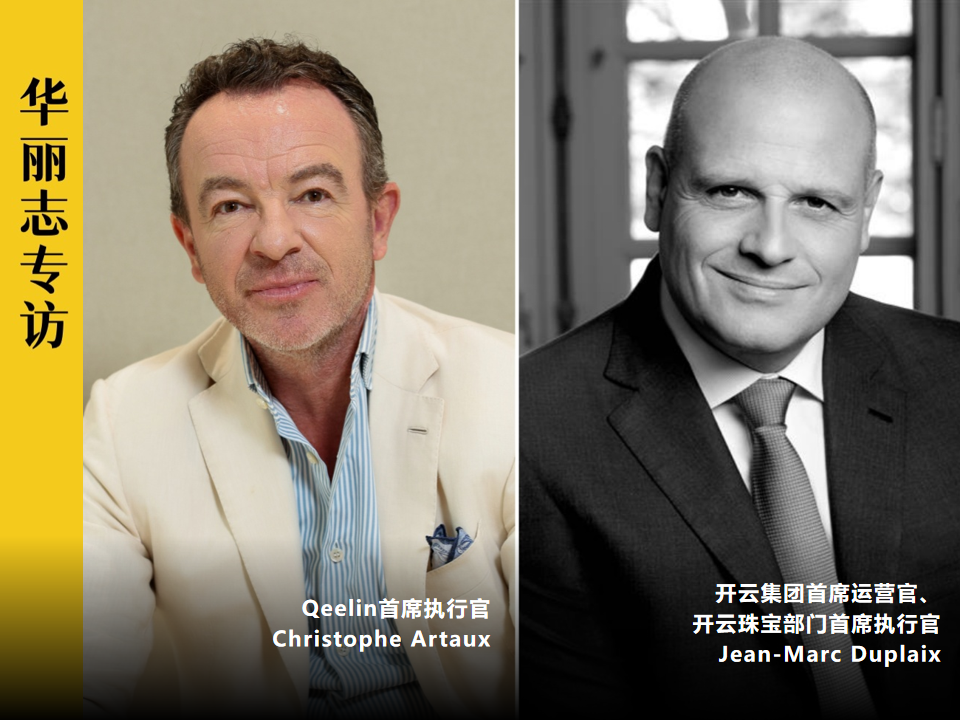
Qeelin Chief Executive Officer Christophe Artaux, speaking to Luxe.CO in an exclusive interview at the CIIE, noted: "This is an important milestone for Qeelin in responding to strong market demand, and more importantly, it means Qeelin has completed a 'natural evolution.'"
Joining Christophe Artaux for the interview was Jean-Marc Duplaix, Chief Operating Officer of Kering and CEO of Kering Jewelry. Speaking about the Qeelin GOLD project, he said: "This is a differentiated move by Kering to precisely address the needs of the Chinese market, and we have given it our full support from the very beginning. This will be a long journey — after all, our market share is still small — but I firmly believe that this endeavor will unleash strong potential."
The launch of Qeelin GOLD gives China's gold jewelry market a heavyweight new player with an international luxury group behind it, and the appeal of pure gold and Chinese cultural heritage will be seen and embraced by more people.
So what new breakthroughs does Qeelin GOLD represent for the Qeelin brand and for Kering? What unique creativity does it bring to China's gold jewelry market, and what new imaginative possibilities does it open up?
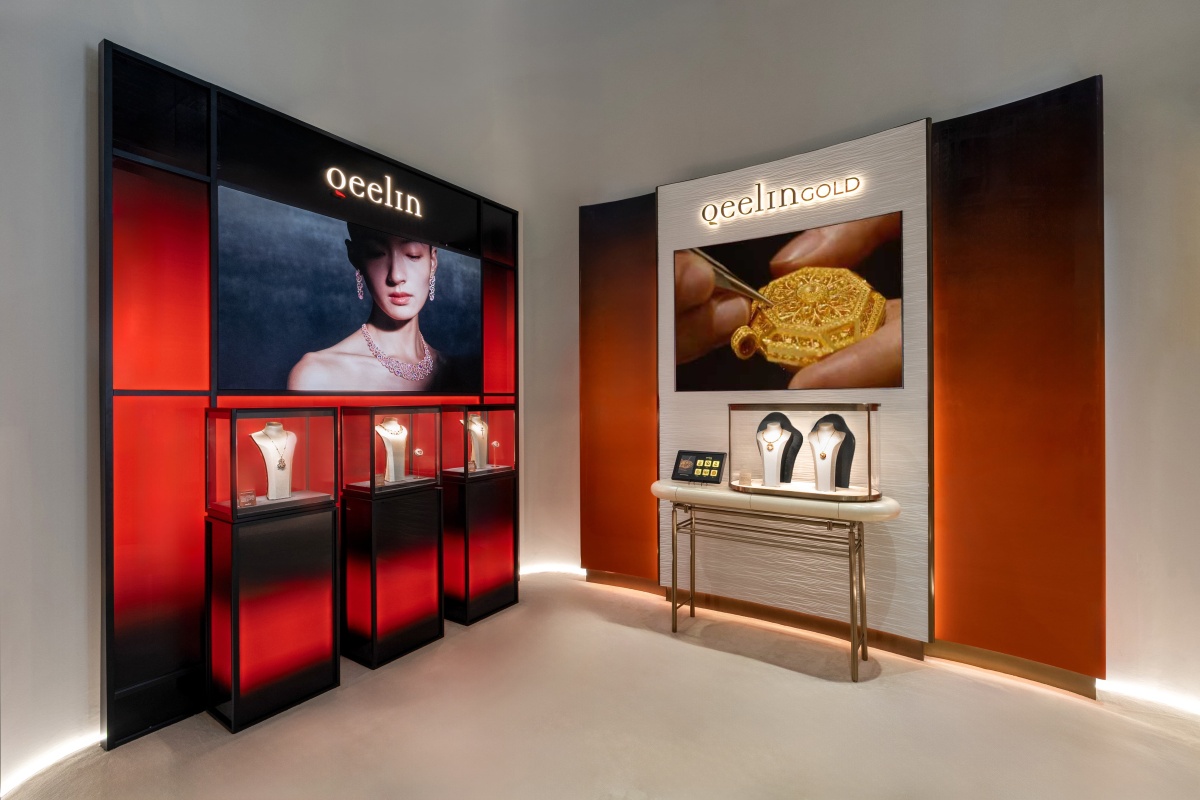
From Dunhuang to the Octagonal Window: Qeelin GOLD Lets the World See the East
"Gold has been precious since ancient times, once traded for fine horses and talent." Throughout the history of Chinese civilization, gold has always held an important place. But what does "gold" mean in the eyes of Qeelin?
Through years of visits to and research on the Dunhuang Silk Road, Dennis Chan, Founder and Creative Director of Qeelin, gradually found his own answer — from the elegant forms of Greece and Byzantium, to the prosperity of East-West exchange during the Sui and Tang dynasties, to ancient techniques such as gold filigree and enamel painting in the Qing dynasty. Along the Silk Road, languages differed and scripts differed, yet everyone believed in gold, and through each generation's接力 (passing of the torch), it grew into different forms and expressions across Eastern and Western civilizations.
So how, today, should gold integrate into the emotions and expressions of contemporary people?
Christophe Artaux offered Qeelin's response: "In the past, gold was more like a collectible locked in a drawer waiting to appreciate, but that is not what we want. We hope gold can become an accessory that consumers are happy to wear in daily life."
From Luxe.CO's perspective, in the turbulent Chinese gold jewelry market, Qeelin GOLD brings a rare and distinctive perspective and design thinking — combining the "relevance" of Chinese culture with the "modernity" of jewelry design — which is closely tied to Qeelin's successful long-standing practice of "interpreting Chinese elements through a global aesthetic language."
A 1997 trip to Dunhuang convinced Dennis Chan of a cultural mission to tell China's glorious history through jewelry. After seven years of incubation, in 2004, renowned actress Maggie Cheung walked the red carpet at the Cannes Film Festival wearing a single Qeelin Wulu earring, showing the world the possibility of Chinese cultural symbols entering the world of modern fine jewelry. Beyond Wulu, over the past 22 years the brand has launched collections inspired by the panda (Bo Bo), the ruyi lock (Yu Yi), the goldfish (Qin Qin) and more, forming a unique jewelry vocabulary that combines Eastern culture with contemporary aesthetics.
Christophe Artaux summed up the inner philosophy of the Qeelin brand as "sharing" — sharing the beauty of Chinese culture with the world — a concept that will carry over into the creations of Qeelin GOLD.
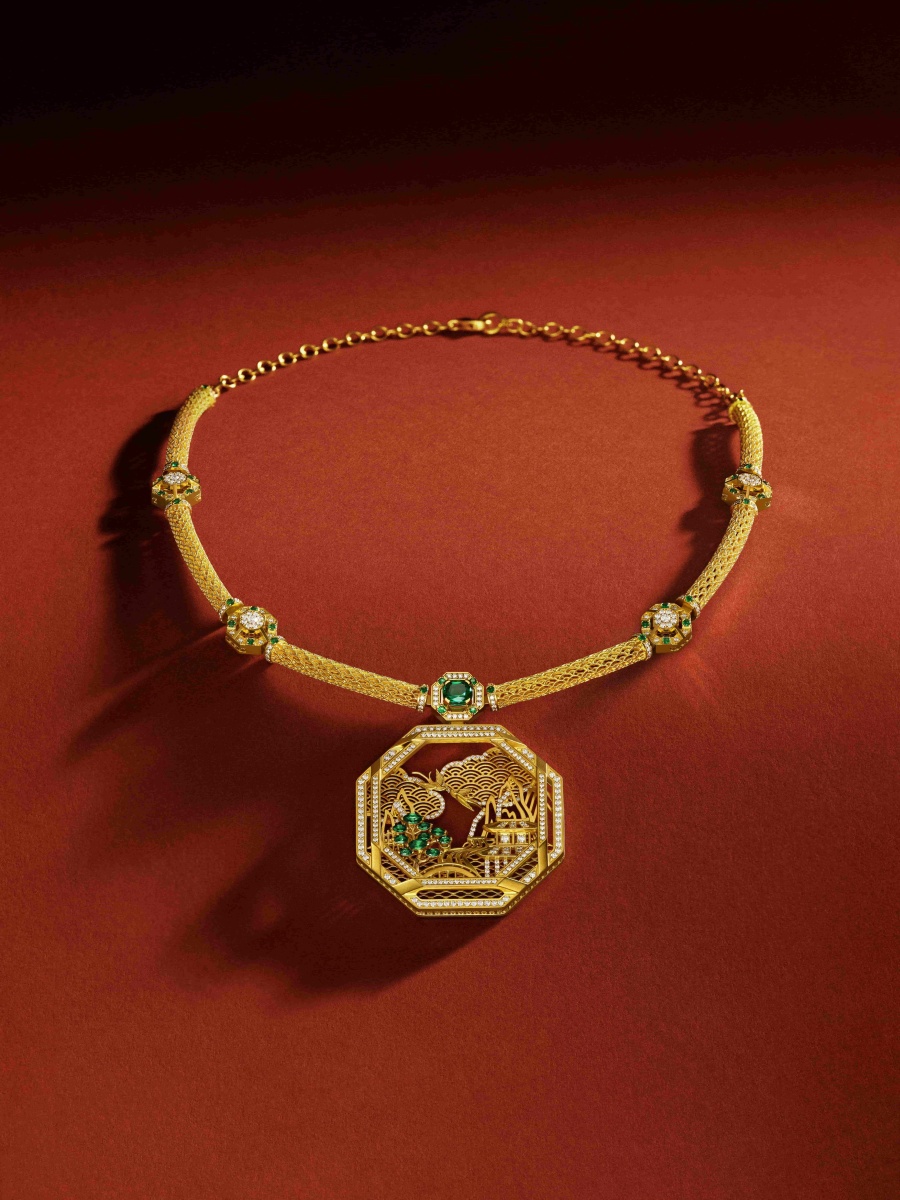
Qeelin GOLD BAJING Fine Jewelry Collection
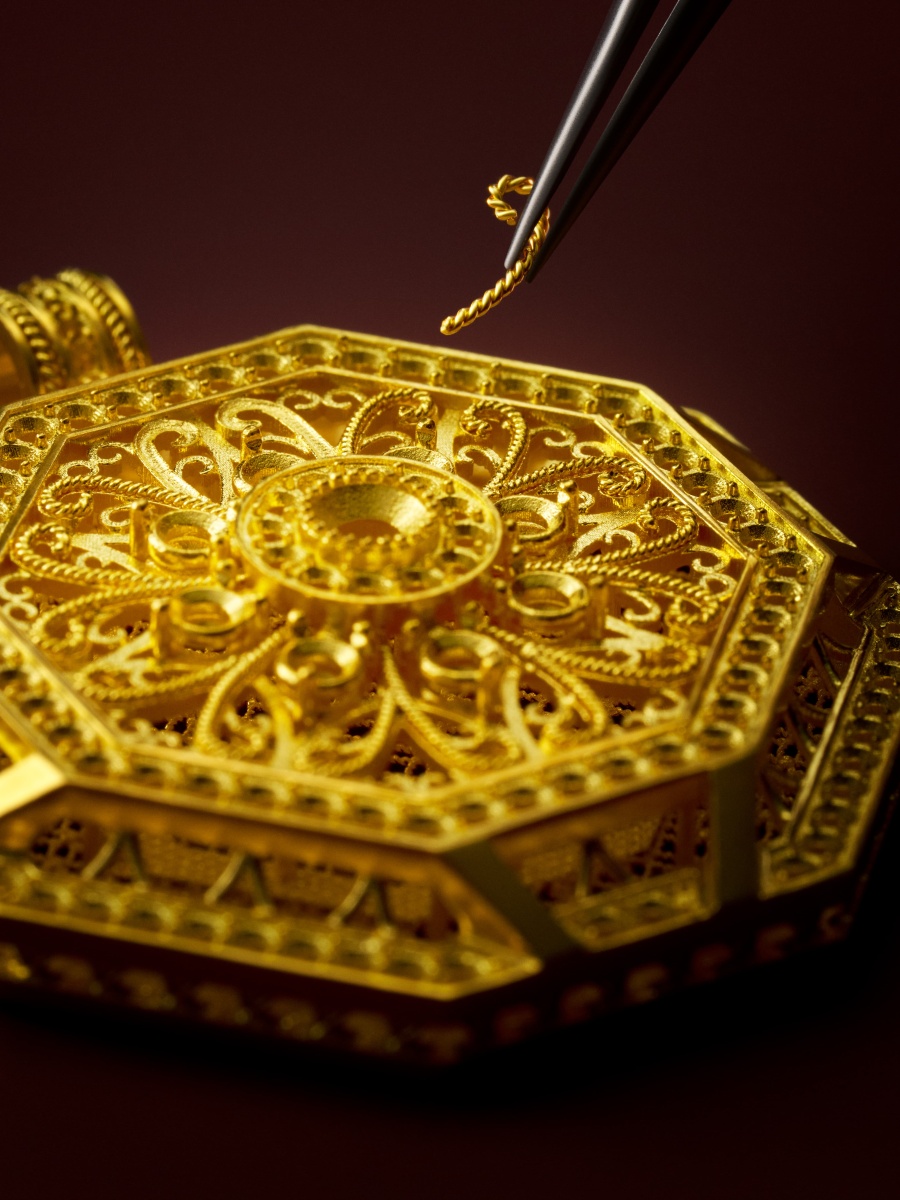
As the debut collection, the BAJING collection is the best case study. The collection draws on the octagonal form shared by Eastern and Western civilizations: in the East, it appears in the coffered ceilings of ancient architecture and the octagonal windows of gardens, a cultural symbol carrying cosmology, philosophical order and auspicious wishes; the same octagonal structure, in the domes of European churches, is called the "puits de lumière" (well of light), signifying wisdom and protection.
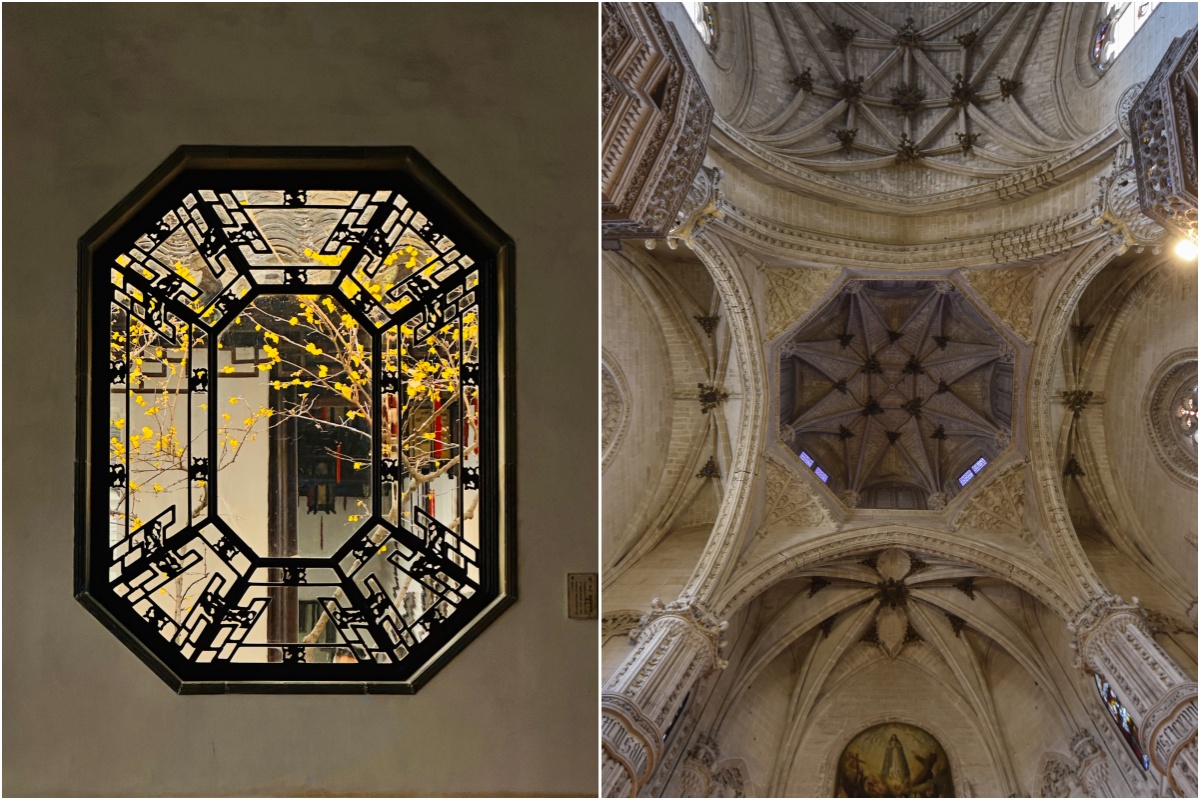
Inspiration for the BAJING collection — Chinese octagonal window (left) and European church dome (right)
This aesthetic form, which does not belong exclusively to any one culture, deeply moved Dennis Chan. In his view, the octagonal form is like a window connecting Eastern and Western civilizations, and in this era, people need such a window more than ever — not only for Chinese people to look out at the world, but even more for the world to look through this window at China.
Dennis Chan applied the "borrowed scenery" technique from classical Chinese gardens to the BAJING collection, and used traditional court goldsmithing techniques such as filigree, granulation, wire-drawing, inlay, enamel coloring and gold finishing to give BAJING a richly layered aesthetic effect.
In Luxe.CO's view, this exploration by Qeelin GOLD is invaluable. For gold jewelry rooted in Chinese culture to reach the world, it must fully understand consumers from different cultural backgrounds, find points of convergence that resonate, and build a unique design language and approach to craftsmanship based on that understanding — thereby truly shaping the brand's own distinctive identity and proposition.
China's Gold Jewelry Market Is Shifting Its Consumption Patterns, and Qeelin GOLD Enters at the Right Time
Over the past few years, the gold jewelry boom in the Chinese market has been plain to see.
According to a gold jewelry consumer survey conducted by Luxe.CO Intelligence last year, 56.3% of high-net-worth respondents said they were "willing to shift more of their budget originally intended for international luxury jewelry brands toward Chinese gold jewelry brands"; in the "fine jewelry" segment, 63.3% of respondents preferred products made of gold.
Jean-Marc Duplaix shared a similar observation with Luxe.CO, noting: "Jewelry has shown strong resilience within the luxury sector, and the category is undergoing profound change. More and more women are buying jewelry for themselves; they have become quite sophisticated connoisseurs, very clear about their preferences and precisely what kind of pieces they love. Against this backdrop, pure gold products have gained attention and are clearly taking share from the jewelry market."
Turning to changes among Chinese consumers, he continued: "While telling the brand story, we actively listen to the market. In the past, (international luxury brands) found it relatively easy to enter the Chinese market and complete sales; but today, brands must have 'cultural resonance,' which is not the same as simply pandering — it requires a deep understanding of the uniqueness of Chinese culture."
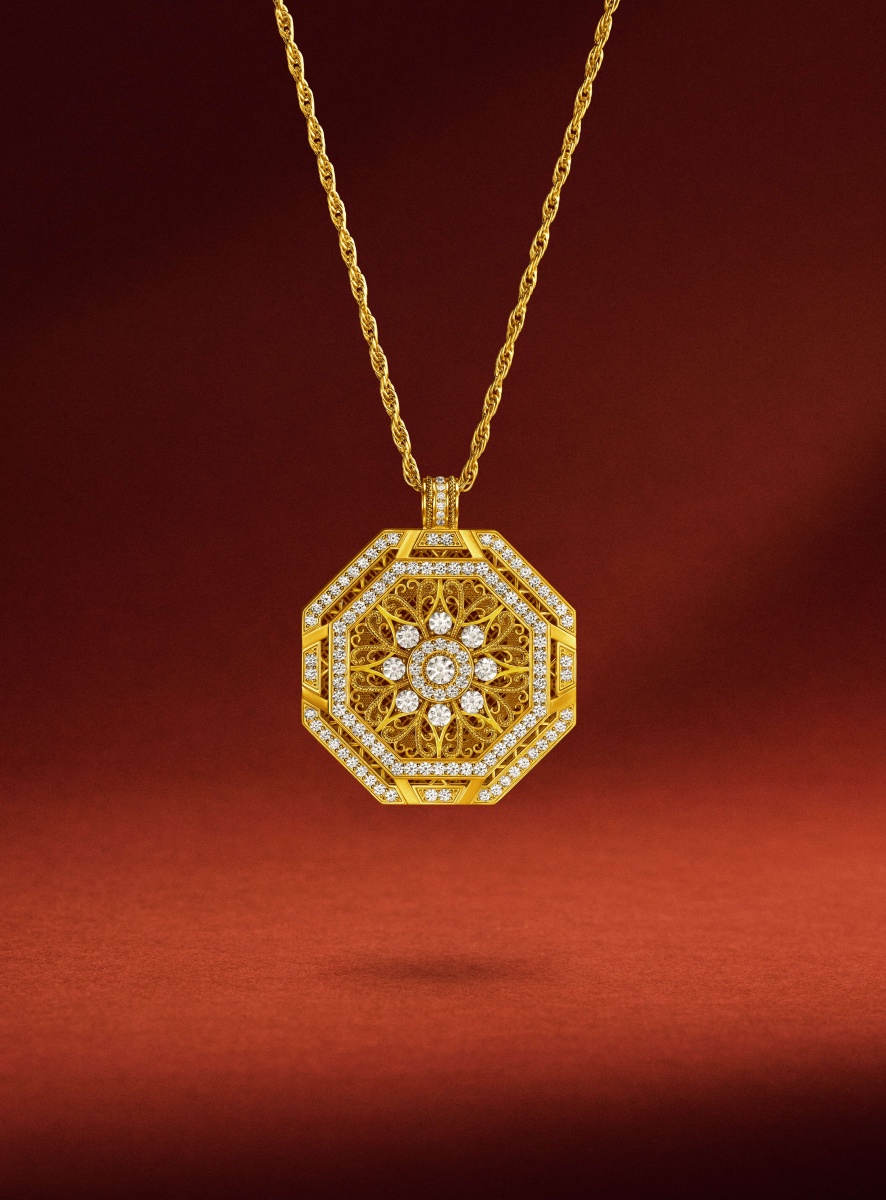
Qeelin GOLD BAJING Collection
The shift in consumer preferences, combined with sharp fluctuations in the gold price, is continuing to affect the consumption structure of the domestic gold market. The World Gold Council's "Gold Demand Trends Q3 2026 China" report noted that China's gold jewelry consumption market continues to show a divergence between tonnage and spending: while gold jewelry consumption in tonnage is far below its long-term average, spending is above its historical average.
This means China's gold jewelry market has entered a "gear-shifting" period: consumers are not refraining from buying gold jewelry — they are buying more selectively, more for their own pleasure, and with greater emphasis on design, craftsmanship and brand value.
In Christophe Artaux's view, this shift in China's gold jewelry market from a purely "investment-driven" model to one more focused on "emotional attachment" and "expression of aspirations" has opened the way for brands with an international background to enter the segment.
"In China, pure gold itself has deep market roots and cultural significance. Therefore, the launch of Qeelin GOLD is more like a 'natural evolution' in response to market and customer demand," he said.
In Luxe.CO's view, as more players enter the gold jewelry market, the industry ecosystem is also evolving dramatically. The future competition in high-end gold jewelry will lean more toward "pricing power" — testing whose brand story, craftsmanship system and aesthetic language can support a highly differentiated luxury brand premium that does not depend on the gold price, and withstand the test of time.
From Qeelin to Qeelin GOLD: Empowerment and Complementarity
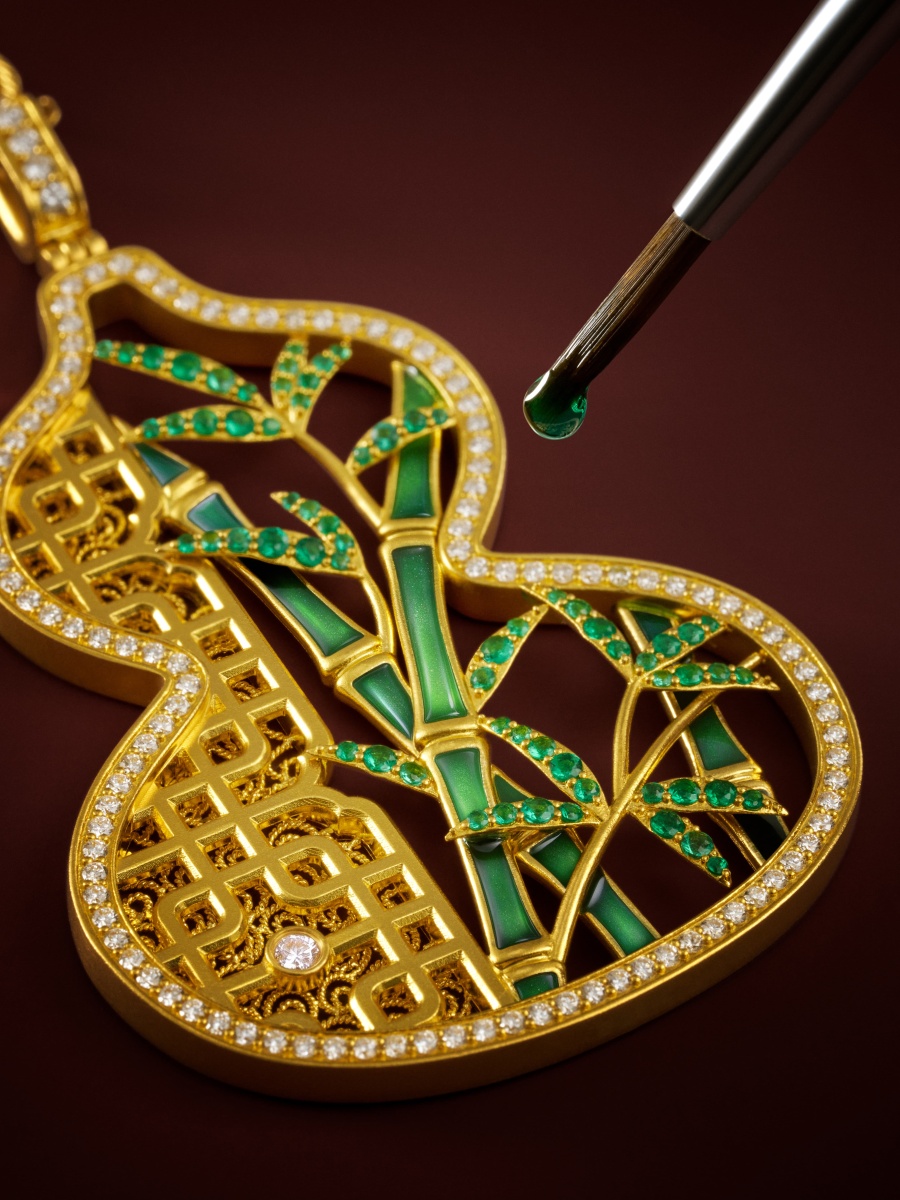
"Qeelin GOLD is essentially not a completely independent new brand, but an extension of the Qeelin brand's meaning," Christophe Artaux told Luxe.CO. The two share the same brand story, consistent inspirational symbols, the same founder and creative director, and the classic Wulu collection — Qeelin GOLD reinterprets the gourd's symbolism of "fortune and blessing," "balance" and "harmony" in gold.
Asked what core opportunities Qeelin GOLD can bring to Qeelin, Christophe Artaux replied: "The opportunity for the brand lies in attracting consumers accustomed to buying pure gold jewelry with more modern jewelry design."
He noted that Qeelin GOLD's product lines will complement those of Qeelin, while Qeelin's mature brand ecosystem will also empower Qeelin GOLD. For example, at the brand communication level, Qeelin GOLD has its own independent visual language while also being able to leverage Qeelin's ecosystem for promotion.
At the retail level, Qeelin GOLD will use a retail network independent of Qeelin, along with a design concept distinct from the past. On November 20, Qeelin GOLD's standalone boutique officially opened at Grand Gateway 66 in Shanghai.
"Overall, Qeelin GOLD's sales channels will remain independent. We want to bring customers a distinctive retail and store experience, with the core goal of clearly communicating the brand's unique market positioning and showcasing specific product collections," said Christophe Artaux.
He further revealed his vision for Qeelin GOLD's future: within 4 to 5 years, Qeelin GOLD plans to continue expanding its sales network, prioritizing the Chinese mainland market, and will also go global in the future.
"We remain open to all kinds of development opportunities. In the long run, if we can present to the world a more modern Qeelin GOLD crafted in pure gold, we will be immensely pleased and proud."
At the Kering group level, over the past two years the group has repeatedly singled out Qeelin's standout performance in its quarterly earnings reports, emphasizing the resilience shown by this China-originated brand amid an overall downturn in the luxury industry.
"In our brand portfolio, Qeelin is the only brand from China, and it builds a cultural bridge between East and West — that is unique for us," said Jean-Marc Duplaix.
It was precisely this recognition of the Chinese market and of Qeelin that led to a positive response at the group level when the brand proposed creating Qeelin GOLD. Jean-Marc Duplaix said Qeelin GOLD received group support from the project's inception: resources covering sourcing, talent, production, product development and more, empowered through cross-departmental collaboration to meet the rigorous craftsmanship requirements of the jewelry industry.
"We will promote resource sharing as much as possible. In addition, we have built a mature and well-established local ecosystem in China, and our back-office teams in real estate, human resources and other areas will help Qeelin GOLD achieve steady and rapid development."
Conclusion
The emergence of Qeelin GOLD not only reflects the enormous appeal of China's gold jewelry market, but also mirrors the strategic evolution of international luxury groups in the Chinese market: from simply importing foreign goods, to "creating for China," and now to "cultivating new forces in the soil of Chinese culture."
Backed by the strong support of France's Kering group, Qeelin GOLD occupies a very special position — relying on the outstanding reputation Qeelin has built in China over many years, it has carried a halo since birth, and also bears enormous expectations, because it opens an important chapter in the connection between China's gold jewelry and the international luxury ecosystem.
In the interview, Christophe Artaux told Luxe.CO: "We have already received increasing inquiries from customers about Qeelin's pure gold products." This is clearly a very positive signal.
For a luxury brand like Qeelin, the unique identity and brand equity carefully built over many years allow it to enjoy the enormous dividends of "brand momentum" when extending the brand. And as Qeelin GOLD becomes more familiar and beloved in China's gold jewelry market, Qeelin's own brand equity will also be enriched and strengthened, and its weight within the Kering group map will grow ever greater.
| Image source: Provided by Qeelin
| Editor: Elisa


