PARIS — After market close on October 22 local time, French luxury giant Kering released its third-quarter results for the period ended September 30, 2026: total revenue of €3.345 billion, flat year-on-year on a reported basis and down 1% on a comparable basis, beating analysts' expectations of a 1.3% organic decline. (Currency effects had a positive 1-point impact on reported revenue.)
However, revenue in Asia-Pacific (excluding Japan), led by the Chinese mainland, fell 8% year-on-year, the weakest performance among all major markets.
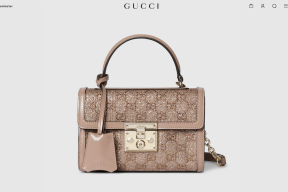
Revenue at flagship brand Gucci was €1.291 billion in the third quarter, down 4% on a reported basis and down 6% on a comparable basis, a steeper decline than the 5.4% analysts had expected.
The results statement said third-quarter revenue reflected the second-half phasing the group had anticipated, compounded by a higher comparison base and a weakening macroeconomic backdrop. Foot traffic remained the main constraint, but supported by stronger product and improved client management, conversion rates, average prices and average transaction values held up positively at the vast majority of the group's brands.
On October 23, the day after the results were published, Kering shares fell 11.74% to €188.44 in Paris trading, bringing the cumulative decline over the past year to about 40%. Its latest market capitalization is approximately €23.1 billion.
Chief Financial Officer Armelle Poulou said on the post-results conference call: "Overall, our regional revenue mix remains balanced. The main change is the declining contribution from Asia-Pacific, with diverging trends among markets in the region. The Chinese mainland is the main headwind, with local consumer confidence weak and consumers increasingly discerning."
In the China market, "based on what we are seeing, the core headwind is foot traffic." She noted, however, that regardless of the causes behind weaker foot traffic, conversion rates, average transaction values and average unit prices in China still rose.
"We are clear that there is a great deal of work to do in China, and we need to start by rebuilding brand desirability, especially Gucci's desirability in China. We are rethinking our approach to the China market," she said.
She also specifically outlined four strategic priorities for Kering in the China market:
First, organizational structure and operating model. The group is adjusting its operating model by strengthening local teams on the one hand and delegating more authority on the other, so teams can make faster, more locally relevant decisions from a China-market perspective.
Second, product. The group must ensure that the product assortment in Chinese stores meets the needs of Chinese consumers. She acknowledged, "We may not have paid enough attention to this in the past. Going forward, product selection will be more client-centric, fully incorporating feedback from frontline teams."
Third, marketing and commercial strategy. She stressed that in the China market today, being locally relevant and culturally attuned is paramount. The group will launch a China-based "content factory" to ensure content responsiveness and flexibility while ensuring it fits the local context.
Fourth, store network. Ensuring consumers have a flawless directly operated retail experience in stores is equally critical. The store network will be further concentrated, alongside extensive renovation and image-upgrade work. Brands such as Saint Laurent and Gucci particularly need this, as many stores still carry outdated styles from earlier creative eras.

In the first nine months of 2026, the group generated revenue of €10.565 billion, down 2% on a reported basis and flat on a comparable basis.
At the same time, the group continued to optimize its store network. After net closing 75 stores in 2025, the group net closed a further 105 stores in the first nine months of this year (128 closures and 23 openings), completing ahead of schedule its full-year target of 100 net closures. The group now plans at least 125 net closures for the full year 2026.
Kering Chief Executive Officer Luca de Meo said in the results announcement: "Gucci's recovery remains our core priority. We are steadily enhancing the brand's desirability and accelerating product development. Thanks to the complementary nature of the group's brand portfolio, Saint Laurent, Bottega Veneta, Brioni, as well as Kering Eyewear and Kering Jewelry, continued their strong momentum. We are also redoubling our brand-renewal efforts at Balenciaga and Alexander McQueen.
Unlocking the group's full growth potential requires reigniting Gucci's growth momentum, accelerating the launch of outstanding products, executing the China action plan, fully leveraging the value of the group platform, and instilling a culture of execution across the organization.
Kering's transformation is a multi-quarter, long-term undertaking. But the improvements emerging across our business segments, particularly the positive trends in brand desirability and key operating metrics, give us confidence in our strategic direction, and all our teams are determined to deliver on it."
—— By segment ——
—— Fashion & Leather Goods
In the third quarter, revenue in the Fashion & Leather Goods segment was €2.743 billion, down 1% on a reported basis and down 3% on a comparable basis.
Sales in the directly operated retail network fell 4% on a comparable basis. Excluding Gucci, retail sales rose 2% year-on-year, driven mainly by continued growth at Saint Laurent, Bottega Veneta and Brioni, reflecting the growing diversification and resilience of the group's brand portfolio. Wholesale and other revenue combined rose 4% on a comparable basis.
Saint Laurent: growth was driven mainly by strong momentum in North America and Western Europe, and by high engagement from VIC clients and core customers;
Bottega Veneta: once again outperformed the market in all major markets, thanks to solid brand desirability, strong momentum in leather goods and the success of new products. The brand is advancing its category diversification strategy, particularly in ready-to-wear, and also benefited from high VIC engagement.
Balenciaga: leather goods remained resilient, but ready-to-wear and footwear continued to face challenges.
Alexander McQueen: advancing its brand repositioning, reinforcing its British tailoring DNA and optimizing its product matrix while streamlining distribution as part of the brand's turnaround plan.
Brioni: maintained strong growth, supported by highly personalized client relationships and strong performance in its made-to-measure business.

—— Gucci
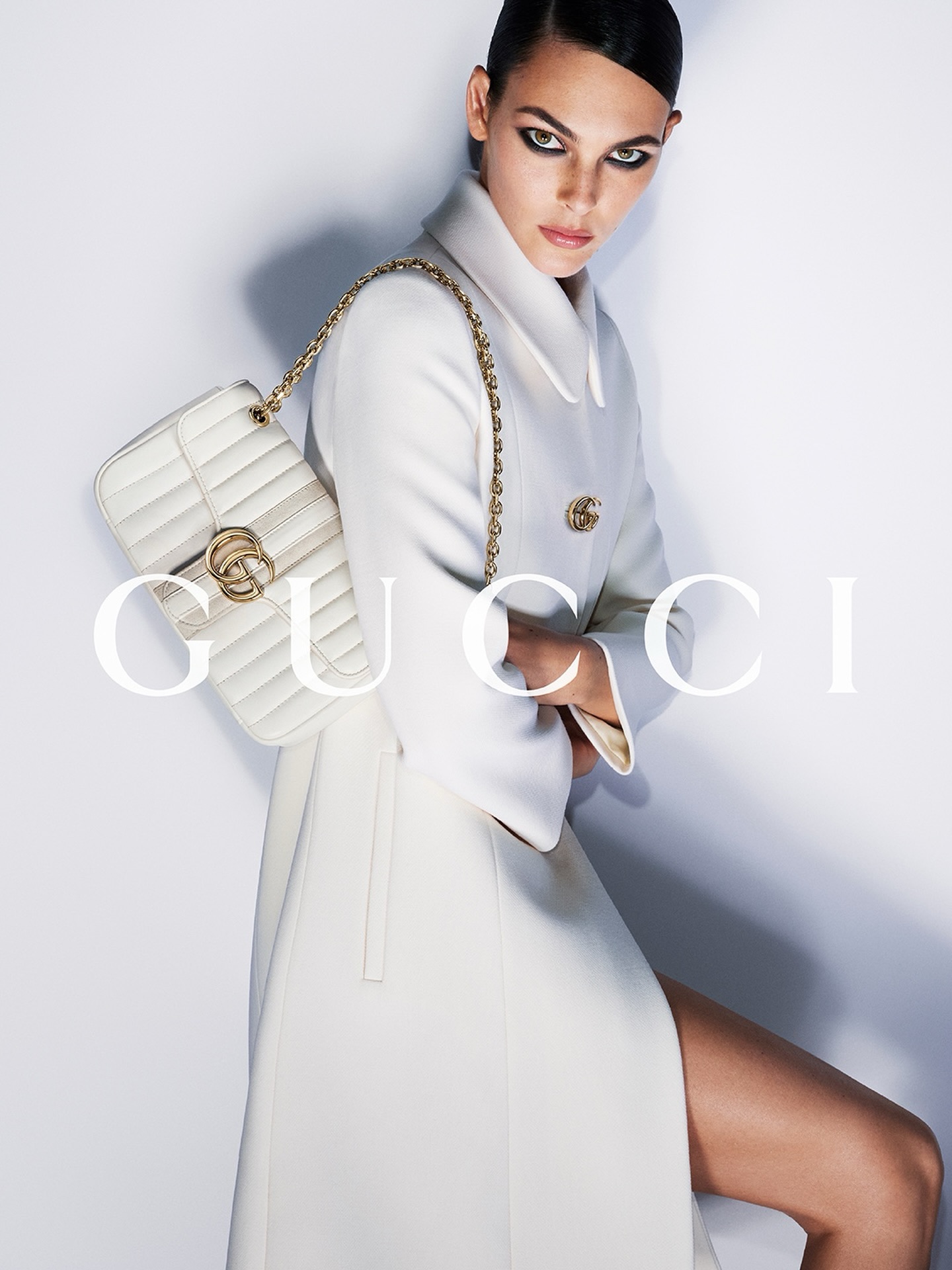
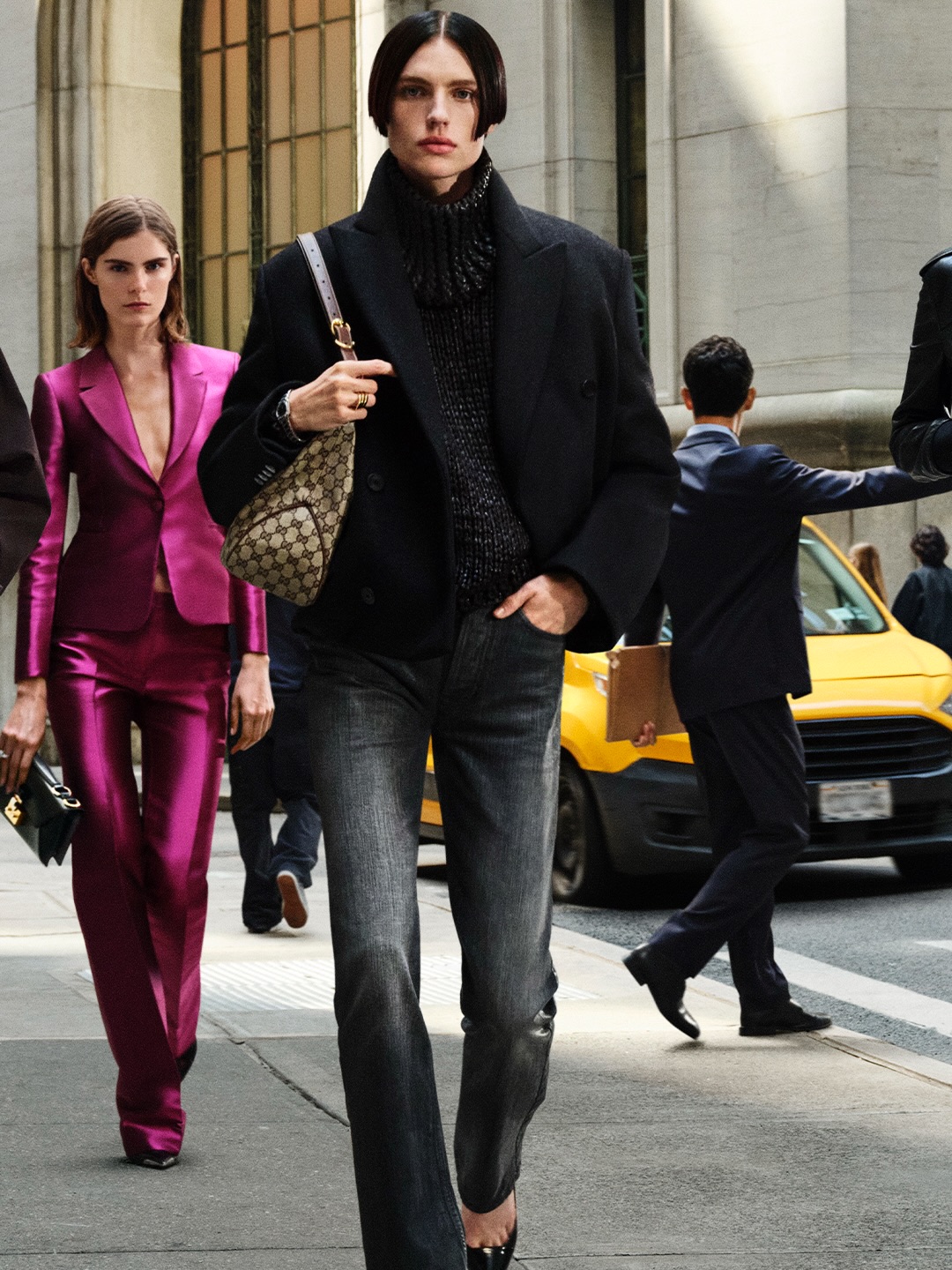
Third-quarter revenue was €1.291 billion, down 4% on a reported basis and down 6% on a comparable basis.
Performance was affected by a higher comparison base, and the pull from new products was weaker than in the second quarter. Foot traffic remained the main constraint, but as new collections rolled out, conversion rates, average prices and average transaction values improved further.
The brand continued to advance its product transformation, further refining its product and pricing architecture, improving product quality and shortening time to market. This transformation focused on handbags, with a richer product offering, while ready-to-wear and footwear were also key areas of focus.
Sales in the directly operated retail network fell 9% on a comparable basis. Against a high base, North America remained the brand's most resilient market; performance in Asia-Pacific, especially the Chinese mainland, and in Japan was dragged down by lower foot traffic.
Third-quarter wholesale and other revenue rose 35% on a comparable basis. Wholesale revenue was €120 million, up 45% on a comparable basis and accounting for 9% of quarterly sales, driven by a low comparison base in the year-earlier period and orders generated by the launch of new collections.
—— Kering Jewelry
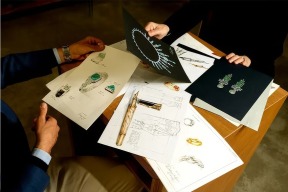
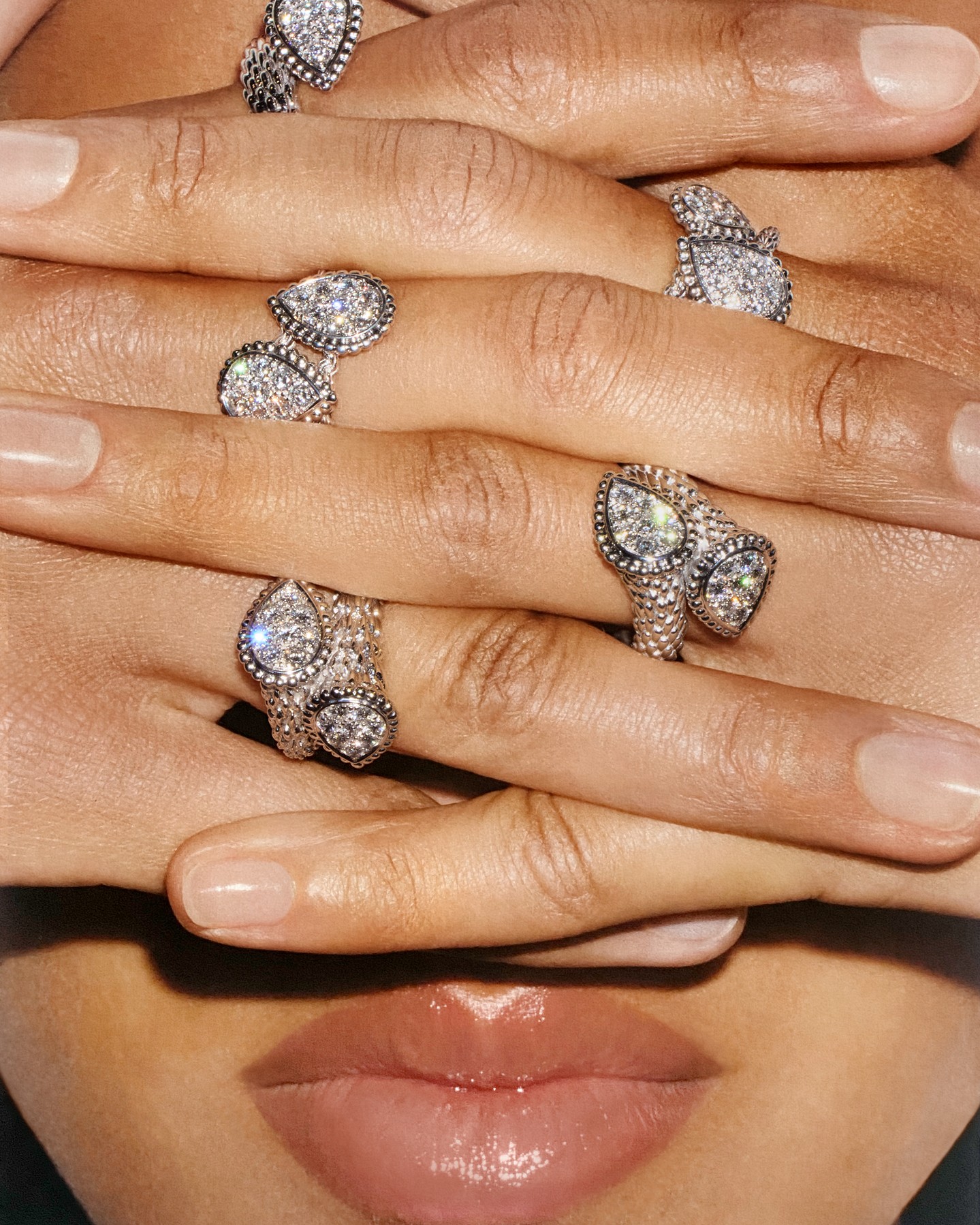
In the third quarter, against a high comparison base, Kering Jewelry once again delivered strong results, with revenue of €239 million, up 12% on a reported basis and up 11% on a comparable basis, with the segment's brands complementing one another. Sales in the directly operated retail network rose 18% on both a reported and comparable basis, while wholesale and other revenue fell 6%.
Boucheron: maintained strong momentum, with iconic collections Quatre and Serpent Bohème continuing to attract consumers and good performance in Japan and South Korea.
Pomellato: continued its growth momentum, especially in Japan, driven mainly by demand for the Nudo, Iconica and Together collections.
DoDo and Qeelin: performance diverged, but both are advancing product innovation, with Qeelin notably launching its Wulu Purple Jade collection successfully.
—— Kering Eyewear
In the third quarter, Kering Eyewear revenue was €373 million, up 6% on a reported basis and up 4% on a comparable basis.
Despite a sales phasing mismatch between the third and fourth quarters, the business overall showed resilience. Growth came from product innovation and effective commercial execution across the entire brand portfolio, with growth in all regions. Key projects in the quarter included the launch of the Maui Jim Fall/Winter 2026 collection, a series of events marking Lindberg's 40th anniversary, and marketing campaigns in key markets.

—— Corporate & Other
In the third quarter, revenue in this segment was €27 million, down 5% on both a reported and comparable basis, mainly due to the cessation of rental income following a real estate transaction.
Italian porcelain brand Ginori 1735, part of this segment, delivered strong double-digit revenue growth, with brand building and desirability steadily improving in all major markets.

—— By channel ——
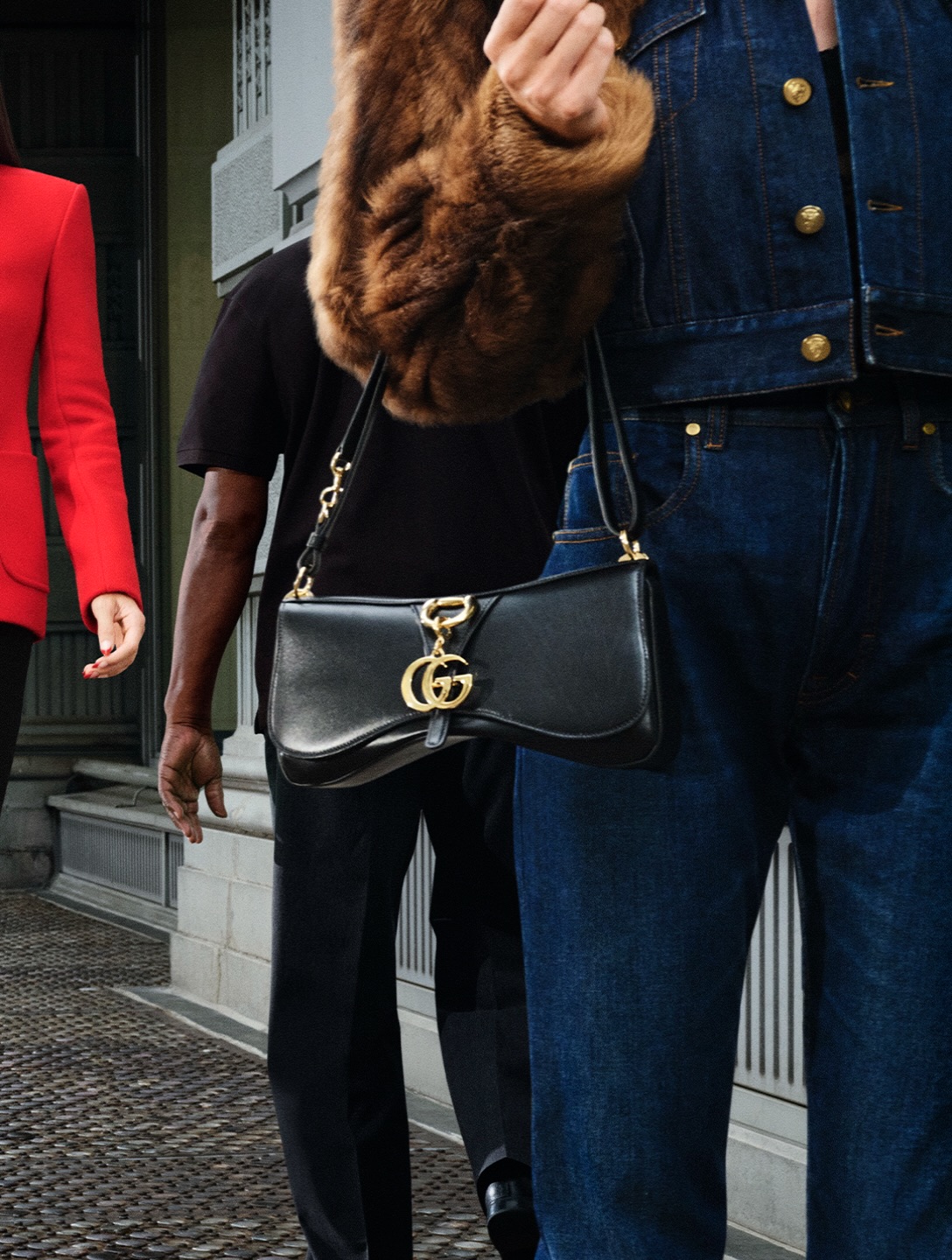
In the third quarter, sales in the directly operated retail network, including e-commerce, fell 3% on a comparable basis, with performance diverging across regions and brands.
Wholesale and other revenue rose 3% on a comparable basis.
——By region (directly operated retail only)——
The group's directly operated retail revenue was €2.539 billion. Third-quarter performance by region, year-on-year on a comparable basis, was as follows:
North America (+1%): growth slowed after several quarters of expansion; the vast majority of brands contributed positively;
Western Europe (flat): improved sequentially for a third consecutive quarter; both local and tourist spending improved sequentially;
Asia-Pacific (excluding Japan) (-8%): the Chinese mainland remained the main drag on the region's performance, while South Korea showed strong momentum;
Japan (+4%): continued to grow, though at a slower pace than in the second quarter, with tourist spending continuing to provide support and jewelry contributing notably;
Rest of the World (-5%): the recovery in the Middle East improved further sequentially; demand remained under pressure amid geopolitical tensions;
Full-year outlook
Kering is fully committed to executing its strategic plan. The group continues to prioritize revenue quality and deep transformation, with progress on both fronts, including strong momentum at several brands and a gradual recovery at Gucci.
Near-term revenue performance is affected by a challenging macroeconomic environment, but supported by ongoing efficiency measures, the group confirms its target of improving its recurring operating margin in 2026 while continuing to invest in maintaining the desirability of its brands.
During the quarter, Kering completed several major transactions and management changes:
Gucci and L'Oréal sign 50-year exclusive beauty licensing agreement a year early: On July 7, 2026, Gucci and L'Oréal signed a 50-year exclusive beauty licensing agreement, expected to take effect in mid-2027, subject to customary regulatory approvals and the early termination of Gucci's existing partnership with Coty. The partnership combines Gucci's global brand desirability and distinctive creativity with L'Oréal's beauty expertise, innovation capabilities and global distribution network, with the potential to unlock significant long-term growth opportunities in fragrance and beauty.
Romain Spitzer appointed CEO of Bottega Veneta: On July 15, 2026, Romain Spitzer was appointed CEO of Bottega Veneta, effective September 1, 2026. He reports to Luca de Meo and joins Kering's Executive Committee. He has more than 30 years of international experience in the luxury industry, with expertise in brand management, retail operations and client experience.
Management appointments at Kering Jewelry: On September 1, 2026, the group announced the appointments of Charlotte Fournet as CEO of Pomellato and Krizia Cucurachi as CEO of DoDo, both effective September 15, 2026, reporting to Jean-Marc Duplaix, Kering's Chief Operating Officer and head of Kering Jewelry. The appointments are intended to further unlock the growth potential of the group's jewelry brands while reinforcing each brand's distinctive identity.
Sabina Belli appointed President of Kering Italia: On September 1, 2026, Sabina Belli was appointed President of Kering Italia, effective September 15, 2026, reporting to Luca de Meo. She will represent Kering in dealings with Italian government institutions, luxury industry associations and other key stakeholders, while continuing to lead the Kering Accademia per le Eccellenze.
Sophie Maddaloni appointed Group General Secretary of Kering: On September 1, 2026, Sophie Maddaloni was appointed Group General Secretary of Kering, effective immediately, and joined the group's Executive Committee, reporting to Chief Operating Officer Jean-Marc Duplaix. She is responsible for corporate governance, safeguarding the group's interests and upholding the highest compliance standards, and oversees the legal, internal control, internal audit and security functions, working closely with group management and the Board of Directors.
Saint Laurent Creative Director Anthony Vaccarello departs: On October 9, 2026, Saint Laurent announced the departure of Creative Director Anthony Vaccarello. Over the past decade, Anthony Vaccarello made significant contributions to Saint Laurent's development, strengthening the brand's positioning and influence in fashion and culture. The brand will announce a new creative lead in due course.
Alexander McQueen Creative Director Seán McGirr departs: On October 16, 2026, Alexander McQueen announced the departure of Creative Director Seán McGirr. Seán McGirr joined the brand in 2023 and opened a new creative chapter, offering a distinctive design perspective while preserving the spirit of founder Lee Alexander McQueen. The brand will announce a new creative lead in due course.
|Source: Official results release
|Image credit: Official results release, official Instagram accounts of the brands
|Editor: LuxeCO