In the first half of fiscal 2027, ended September 30, 2026, Swiss luxury giant Richemont's combined sales in mainland China, Hong Kong and Macau rose 7% year on year at constant exchange rates; in the second quarter, it sustained modest growth on top of the prior-year period (which grew 7%).
At a recent earnings call, Richemont CEO Nicolas Bos further broke down the composition of the China figures:
In the first half, mainland China sales fell 3% year on year, while Hong Kong and Macau posted "very high double-digit growth", which not only offset the mainland decline but also drove a positive overall performance for the Chinese clientele across Asia Pacific.
Richemont Chairman Johann Rupert (pictured below) elaborated at the meeting that Chinese consumers are shopping in Macau and Hong Kong, partly because prices in Hong Kong are slightly cheaper.

However, Richemont does not want customers to travel around and shift where they buy because of price differences.
Explaining the group's global pricing alignment policy, Johann Rupert said that even where tax-rate differences exist, the group uses various means to keep global prices as consistent as possible, and continuously makes small price adjustments in response to fluctuations in the yen, renminbi, US dollar and euro to maintain retail price order across currencies and avoid cross-border arbitrage.
He also specifically mentioned Chinese customers' habit of comparing prices:
"Our Chinese customers have apps on their phones that, when they walk into one store, automatically show the real-time exchange rates and prices at other stores. Consumers are smart, and we simply want to be fair to customers in all regions."
As for when Chinese market demand will fully recover, Johann Rupert said clearly that he cannot predict a timetable for recovery, but he reiterated his long-term bullish view on the China market:
"The China market will definitely come back. When? We don't know, but it will come back. Many factors are at play. Chinese people are too smart and too hardworking. For example, next year in Hong Kong, many very successful IT companies will list. We are talking about a group of real people who will release considerable wealth over a period of time."
On how fluctuations in a single region affect the group as a whole, Johann Rupert cited a metaphor at the meeting:
"Years ago, one of our predecessors said that the most wonderful thing about Richemont is that it is like an airplane flying on five engines. While the plane is in flight, when turbulence hits one continent or one region, the other four engines still push us forward. I think this year has proven that. Over the past year, three years and five years, we have consistently outperformed our competitors, so we must be doing something right."
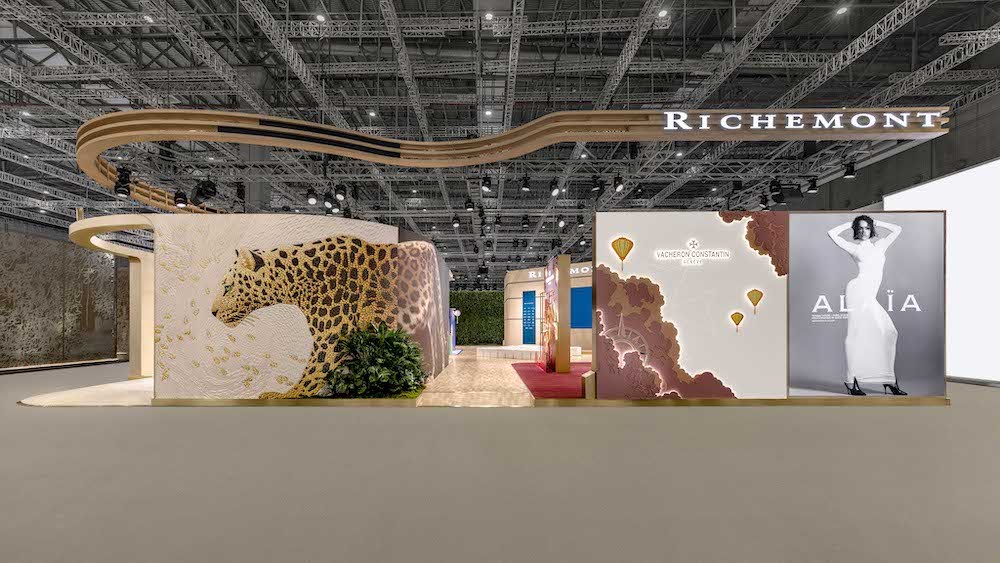
In terms of store networks, several Richemont brands both contracted and expanded or relocated in Greater China in the first half:
- dunhill carried out targeted store closures in China, and the brand's total global store count decreased by a net 5 from the end of March this year to 71;
- Delvaux relocated core stores in Hong Kong and Shanghai;
- Piaget relocated its Hong Kong store to St George;
- Buccellati opened a new store in Guangzhou;
- Italian jewelry brand Vhernier, which has been part of Richemont for two full years, opened its first boutiques in the Chinese market at the Peninsula hotels in Beijing and Shanghai.
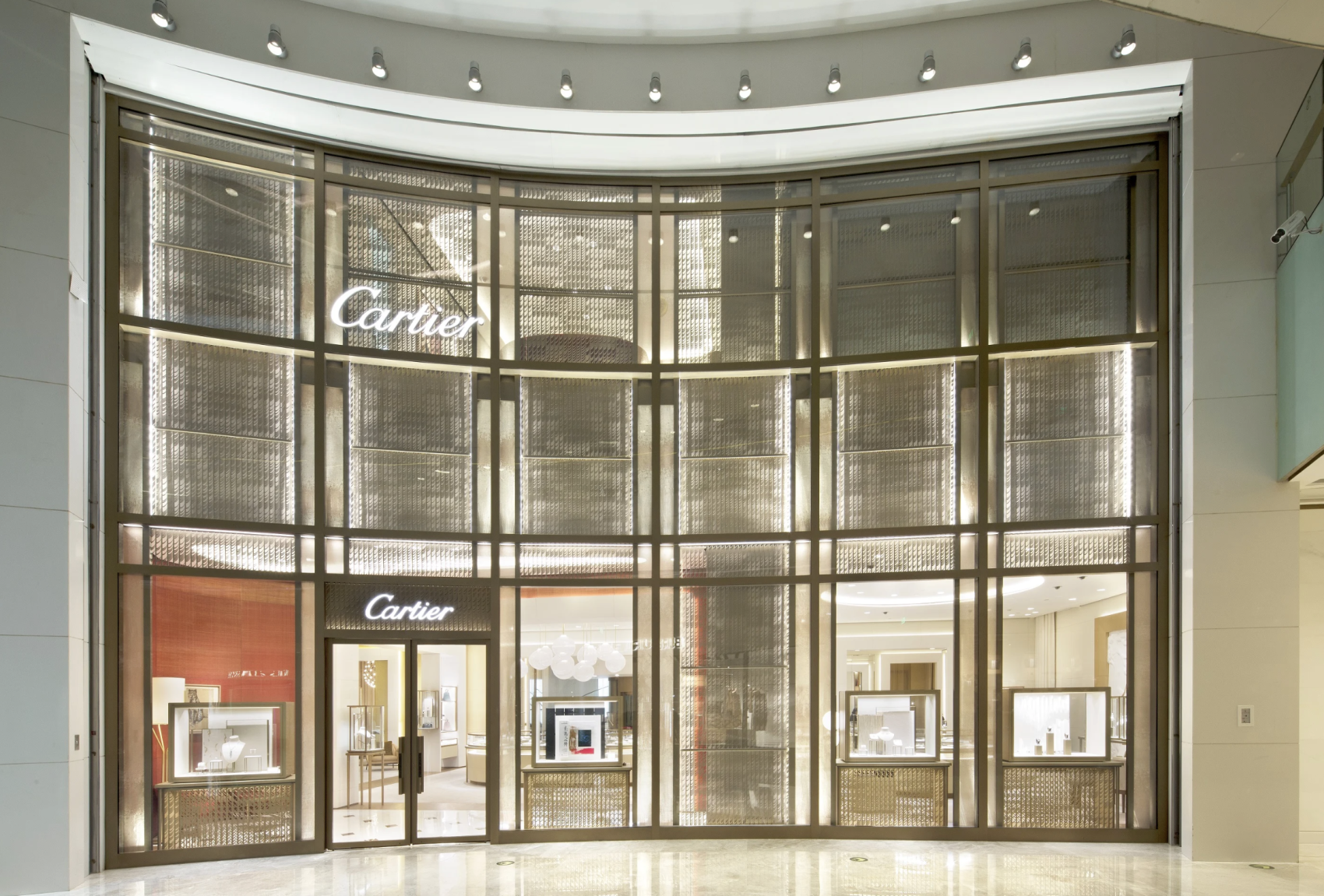
Analysts at the meeting also specifically asked about store closures by Cartier in mainland China (as of the end of September, the brand's total global boutique count had decreased by a net 2 from the end of March this year to 271). Johann Rupert responded that store closures should not be seen as withdrawing from the market, and noted that commercial centers within cities shift every decade, which is especially evident in China, a market still developing rapidly:
"Don't assume that when we close a store, we are retreating from that country.Even within the same city, people move around. Ten years ago, the once-popular commercial districts in New York, Los Angeles, Miami or London, as well as in countries like China that are still developing, after a ten-year cycle, that original location is no longer so popular, so many of our brands will open a new boutique elsewhere in the city."
丨Source: Richemont fiscal 2027 first-half earnings call and financial report
丨Image source: Richemont official website, LuxeCO historical reports
丨Editor: LuxeCO