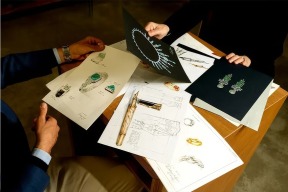
Van Cleef & Arpels 梵克雅宝 has always focused on "being itself" in the Chinese luxury market. Its highly recognizable jewelry and high jewelry, rich watch creations, unique exquisite craftsmanship, and diverse thematic events and exhibitions constitute the main windows through which the outside world perceives this century-old maison.
In the past few months, the traditionally "low-key" Van Cleef & Arpels has begun to speak out intensively in its own way:
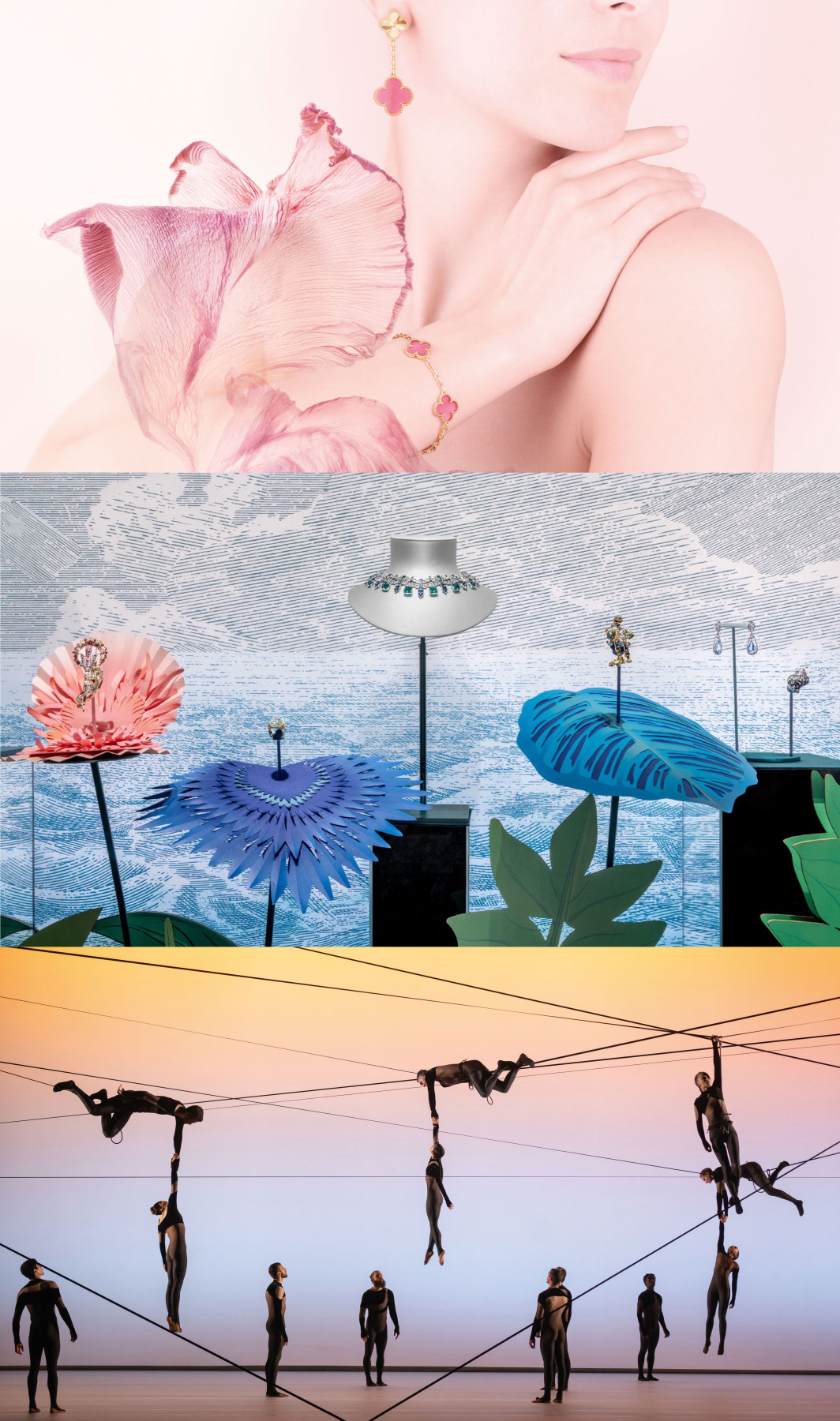
- Launched in 1968, the globally popular Alhambra four-leaf lucky motif collection historically introduced new pink enamel creations;
- The Treasure Island thematic high jewelry collection, inspired by the adventure novel Treasure Island, held an appreciation event in Xiamen;
- Dance Reflections by Van Cleef & Arpels Festival "梵克雅宝舞蹈映像" landed in Shanghai, China for the first time, presenting contemporary dance works from different creative backgrounds and artistic languages...
In Shanghai in golden October, Ms. Catherine Rénier, Global President and CEO of Van Cleef & Arpels, gave an exclusive interview to LuxeCO, personally interpreting the deeper logic behind this series of actions:
"When we look forward, every step we take must echo the past. It must add to the story, must enrich the maison's heritage. This is not a reaction to the market, not seizing an opportunity, not just an idea, but continuing a story."

This means these actions are not isolated whims, nor marketing gimmicks following trends, but are in line with the long-term strategy of this century-old maison, branches, leaves, flowers and fruits that grow organically in suitable soil.
Under Catherine Rénier's leadership, Van Cleef & Arpels, based on a strong maison DNA, builds bridges large and small between history and the future — continuously consolidating its special position in the high jewelry and watch world with highly narrative craftsmanship, while continuously enriching and expanding its cultural ecosystem, touching consumers around the world with diverse yet internally unified original content.
Catherine Rénier joined Van Cleef & Arpels in 2003. After 15 years, she became CEO of Jaeger-LeCoultre, a high watchmaking brand also under Swiss Richemont Group; in 2024, she returned to Van Cleef & Arpels as Global President and CEO.
This industry veteran in high jewelry and watches candidly told LuxeCO that the biggest challenge in leading such a century-old maison is always maintaining a balance between heritage and innovation.
On this key issue, her answer seems understated but thought-provoking — "being very careful, always making sense".
So how to "make sense"? Through Van Cleef & Arpels' jewelry, watches and cultural art activities, Catherine Rénier has traced clear threads for us.
Why has the Alhambra motif continued to grow for over half a century?
Van Cleef & Arpels' logic of heritage and innovation is particularly clear in the timeless Alhambra four-leaf lucky collection.

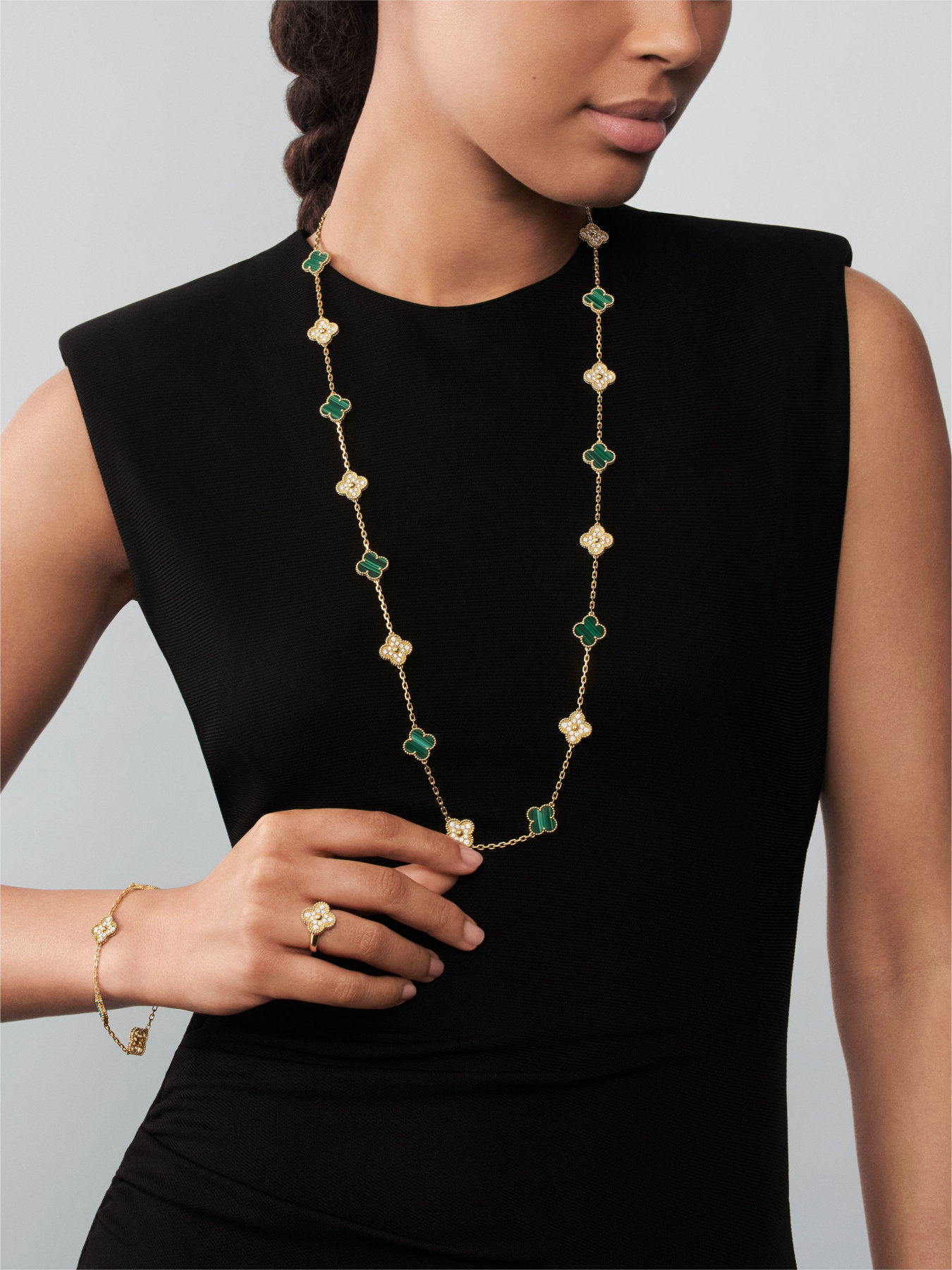
Alhambra long necklace launched in 1968
This classic design was first born in 1968. At that time, Van Cleef & Arpels keenly perceived that the new generation of women not only wanted to wear exquisite jewelry suitable for formal evening wear, but also longed to show personality and taste in everyday dressing. The Alhambra four-leaf lucky collection came into being; the first piece was a long necklace adorned with 20 four-leaf lucky motifs made of textured gold, inspired by the four-leaf clover symbolizing luck.
The Alhambra four-leaf lucky collection quickly became popular worldwide upon launch, subsequently introducing various materials such as onyx, chalcedony, mother-of-pearl, and Sèvres porcelain, and expanding to pendants, bracelets, earrings, rings and watch creations. This collection has also been called by Sotheby's "one of the most collectible classic motifs in the jewelry world."

This year, the Alhambra four-leaf lucky collection launched five new pink enamel creations, setting off another wave of market enthusiasm. Catherine explained in detail to us why this classic symbol, inherited for nearly 60 years, can continue to grow new ideas?
She first attributed the answer to the "diversity" brought by continuous innovation: "The essence of the Alhambra four-leaf lucky collection lies in its diversity — not only in colors and materials, but also in the motif itself. We can vary the size of the motif, and freely combine different sizes, materials and motifs."
This is reflected both within a single piece, where four-leaf lucky motifs of different sizes are linked in a staggered manner to form a lively rhythm; and in the way of wearing, some pieces adopt convertible designs that can switch between necklace, bracelet and other wearing forms, and Alhambra pieces of different materials and sizes can also be freely mixed and stacked.
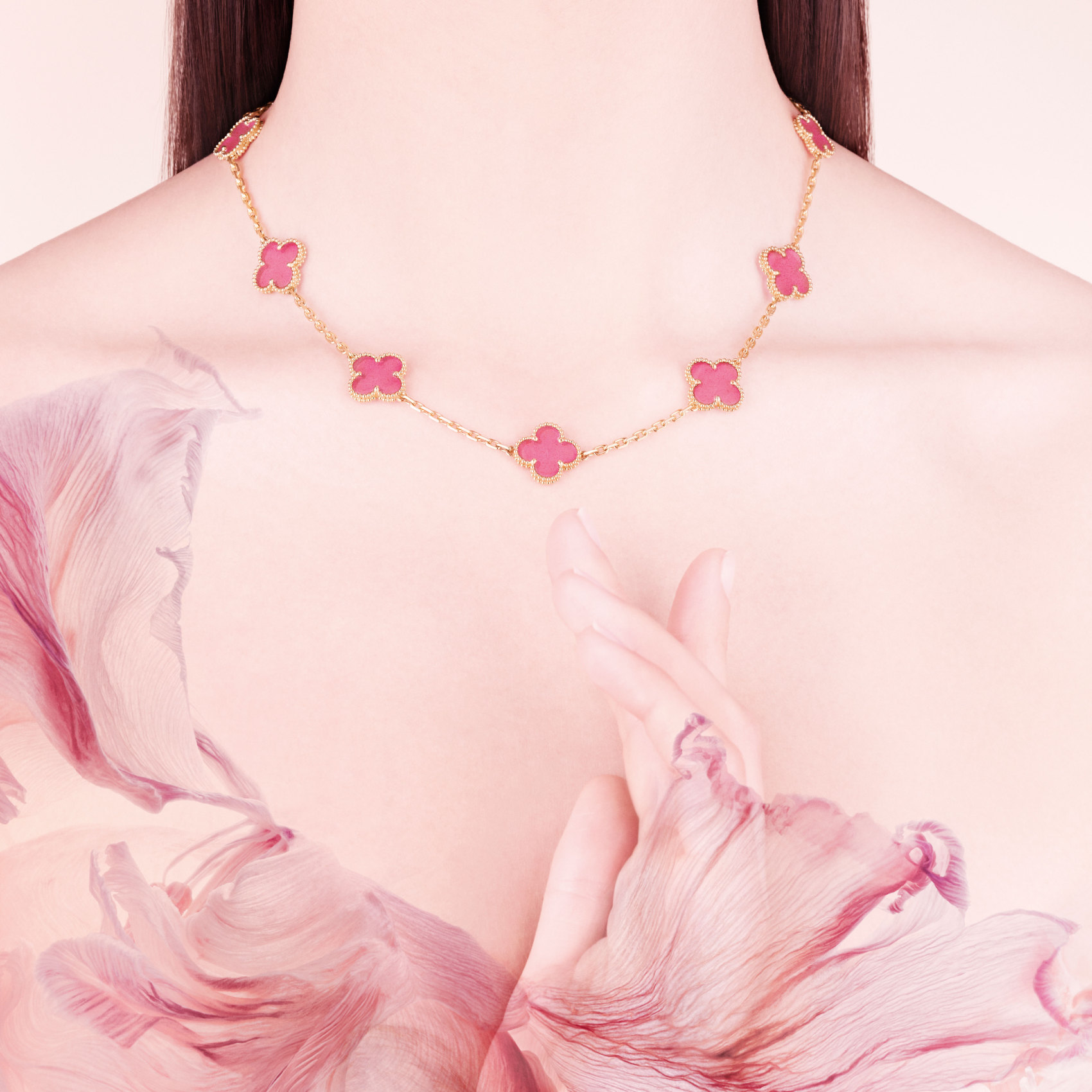


New pink enamel creations of the Alhambra four-leaf lucky collection
In addition, based on the positioning of "jewelry for daily wear", this collection has established a close connection with consumers of different eras: "The original design concept was to let the pieces establish a connection with daily life and daily emotions, which gives it lasting vitality in expression."
People can wear Alhambra pieces of different styles and designs according to their mood, outfit or occasion. As Catherine says: "What you see today is no longer a single style of the Alhambra four-leaf lucky collection, but many Alhambra four-leaf lucky pieces, connected to each other."
The "jewelry for daily wear" represented by the Alhambra four-leaf lucky collection is closely linked to the roots of Van Cleef & Arpels. Van Cleef & Arpels was born in 1906 at Place Vendôme in Paris, initially focusing on creating extraordinary high jewelry with rare gemstones for distinguished clients, enjoying a reputation among global stars and celebrities. Since the 1960s, it has extended to jewelry that is easy to match for daily wear, evolving in line with the spirit of the times and lifestyle. Catherine introduced that today high jewelry remains the core business of the maison, while jewelry shares the same sources of inspiration, as well as the same material and craftsmanship standards, as high jewelry.

Van Cleef & Arpels boutique at Place Vendôme, Paris
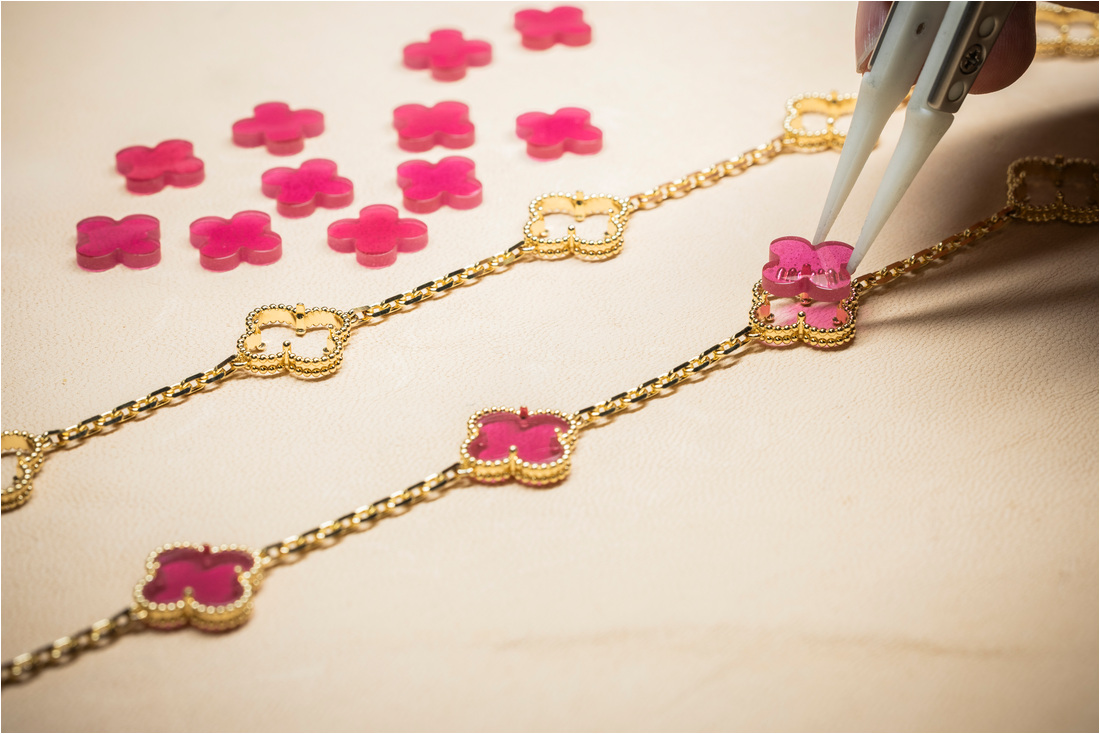
The new pink enamel pieces of the Alhambra four-leaf lucky collection are not just a simple material or color update; they deeply integrate enamel, a heritage material cherished by the maison, with this iconic symbol of the jewelry world. The pink color of the new creations is inspired by the 17th-century "gold ruby" technique, developed over several years by the Van Cleef & Arpels Geneva enamel workshop; the color is not achieved by pigments, but thanks to fine gold powder in the material.
Enamel craftsmanship runs through the maison's century-long history. Its Geneva workshop masters more than fifteen enamel techniques and has its own enamel school to train artisans, passing on the craft. The maison's long and rich heritage provides a continuous source of inspiration for product innovation.
When asked how Van Cleef & Arpels maintains a distinct and consistent brand image over time and across a vast body of work, Catherine emphasized: "We always know where we come from."
"We know our inspiration and heritage well, and constantly return to them. Therefore, we know clearly how the maison extracts and expresses inspiration... We do not create jewelry in a fashion-driven way. Rather, we build high jewelry, jewelry and high watchmaking creations on our own history."
From high jewelry to high watchmaking, how does Van Cleef & Arpels "tell stories"?
When it comes to "jewelry" and "watches", few people associate them with "storytelling". But in the eyes of Van Cleef & Arpels, these hard gemstones, metals and mechanisms are precisely excellent materials for conceiving moving stories.
Starting with the 2003 A Midsummer Night's Dream thematic high jewelry collection, almost every year the maison conceives new collections around literary, artistic and cultural themes, such as Peau d'Âne raconté par Van Cleef & Arpels (2014), Romeo & Juliet (2019), Le Grand Tour raconté par Van Cleef & Arpels (2023), and the newly presented Fascinating Egypt thematic high jewelry collection this year, among others.


Inspired by Stevenson's 1883 adventure novel Treasure Island, the maison presented the Treasure Island by Van Cleef & Arpels thematic high jewelry collection. The collection was globally launched in Miami in 2024, then traveled to Phuket, Capri and Okinawa, and held an immersive appreciation event in Xiamen in September this year. Guests wandered through set installations resembling a real "Treasure Island", traversing three chapters — "Sea Adventure", "Island Exploration" and "Treasure Hunt" — to search for hidden "treasures" together.


Treasure Island by Van Cleef & Arpels thematic high jewelry collection globally launched in Miami


Treasure Island by Van Cleef & Arpels thematic high jewelry collection event in Xiamen
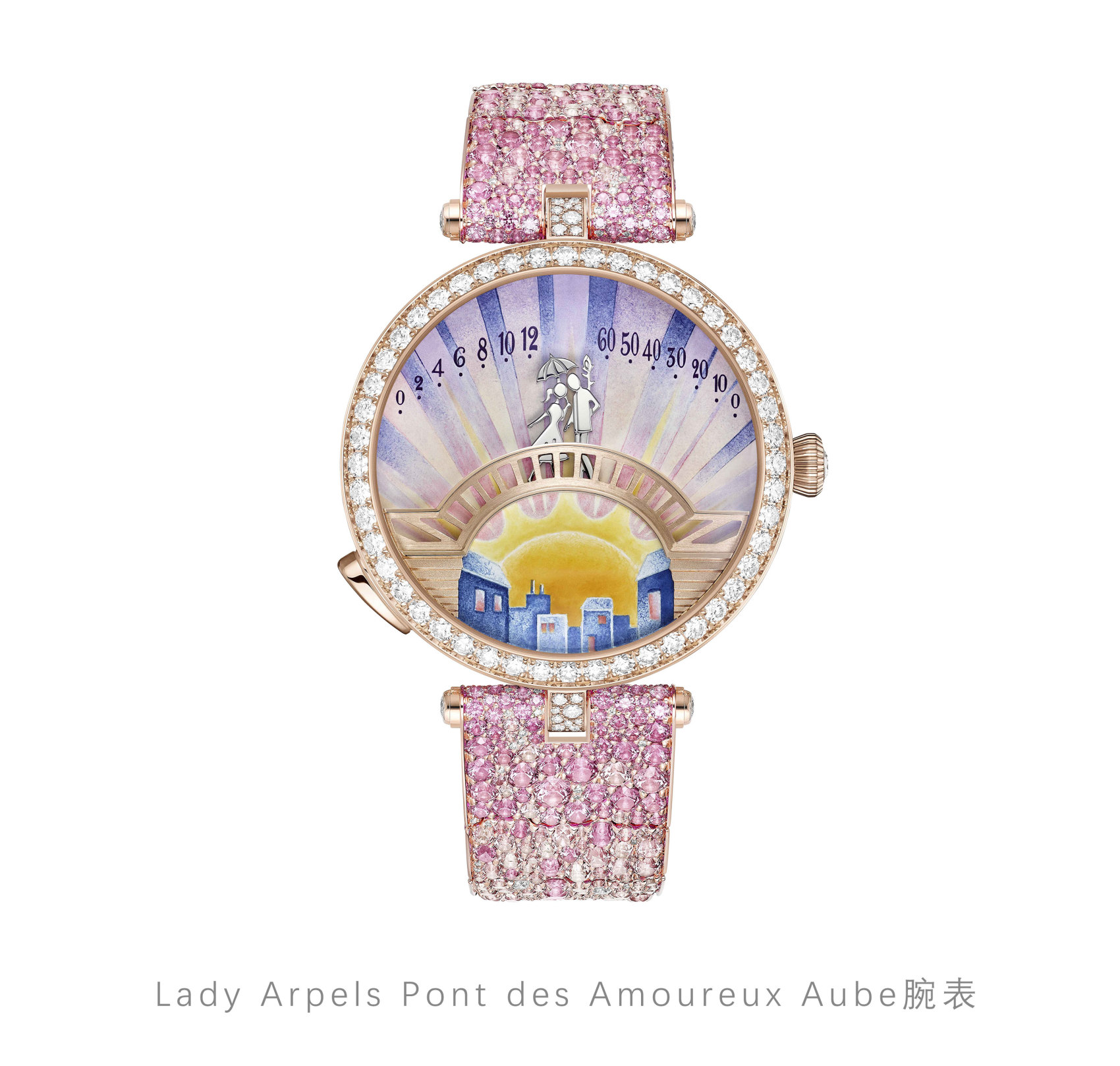
In high watchmaking, the "Pont des Amoureux" (Lovers' Bridge) watch is an excellent representative of Van Cleef & Arpels' "storytelling".
Catherine vividly described this classic collection to us: the lady with an umbrella indicates the hours with the tip of her umbrella, the gentleman holding a rose indicates the minutes with the flower; driven by a double retrograde movement, the lovers meet on the bridge on time at noon and midnight every day, embracing and kissing. In addition, simply pressing the on-demand animation module button on the case allows this sweet moment to be replayed at any time.
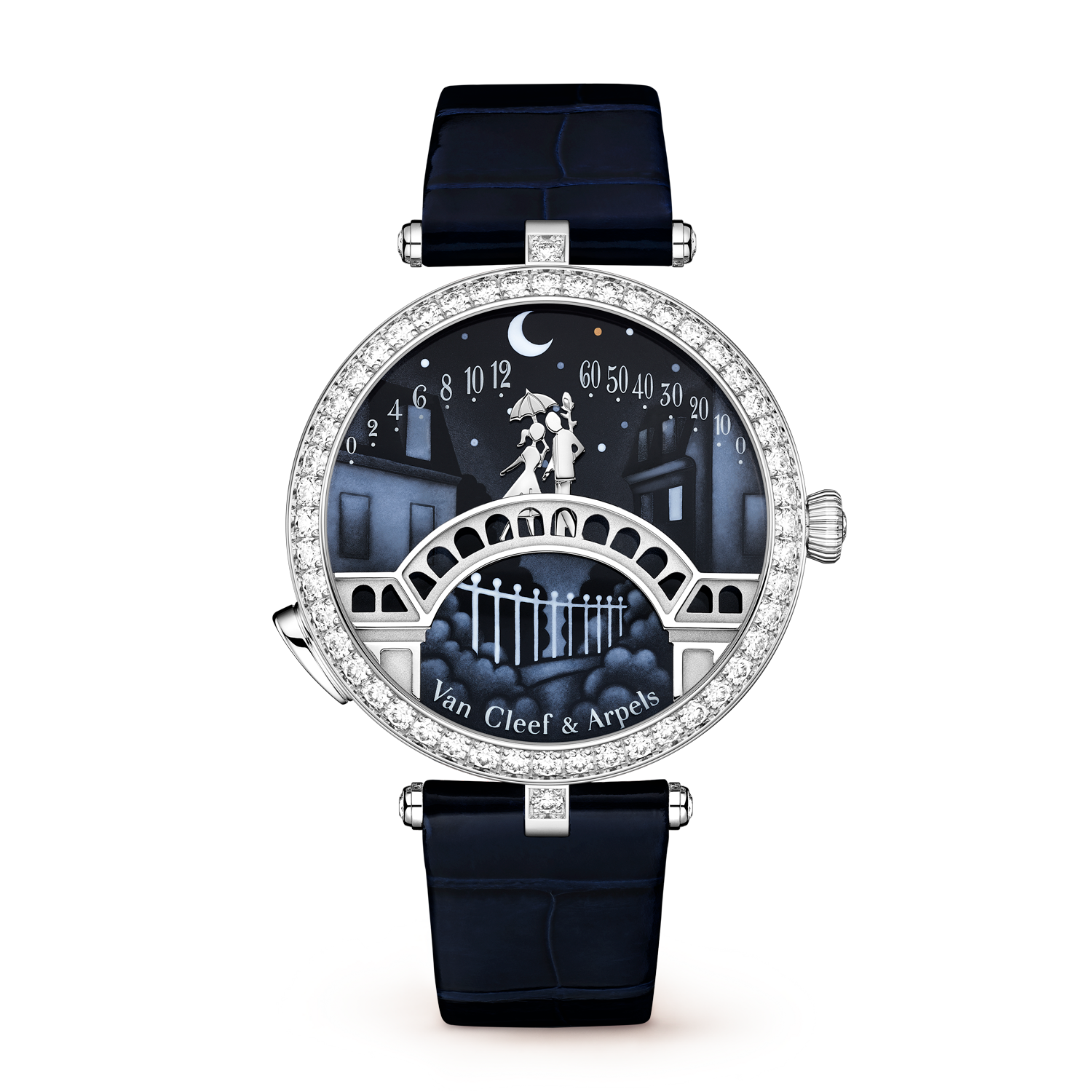

Lady Arpels Pont des Amoureux watch
Beyond love stories, at the Poetry of Time "时间的诗篇" Van Cleef & Arpels high watchmaking exhibition held in Shanghai, we saw more touching romantic narratives: ballerinas and fairies, cosmic constellations, enchanting nature... all from Van Cleef & Arpels' Poetic Complications watch collection, which began in 2006.
Catherine particularly emphasized: "These themes are not randomly chosen, but deeply embedded in the maison's identity, allowing us to tell Van Cleef & Arpels' unique interpretation of these stories through the art of jewelry watches."

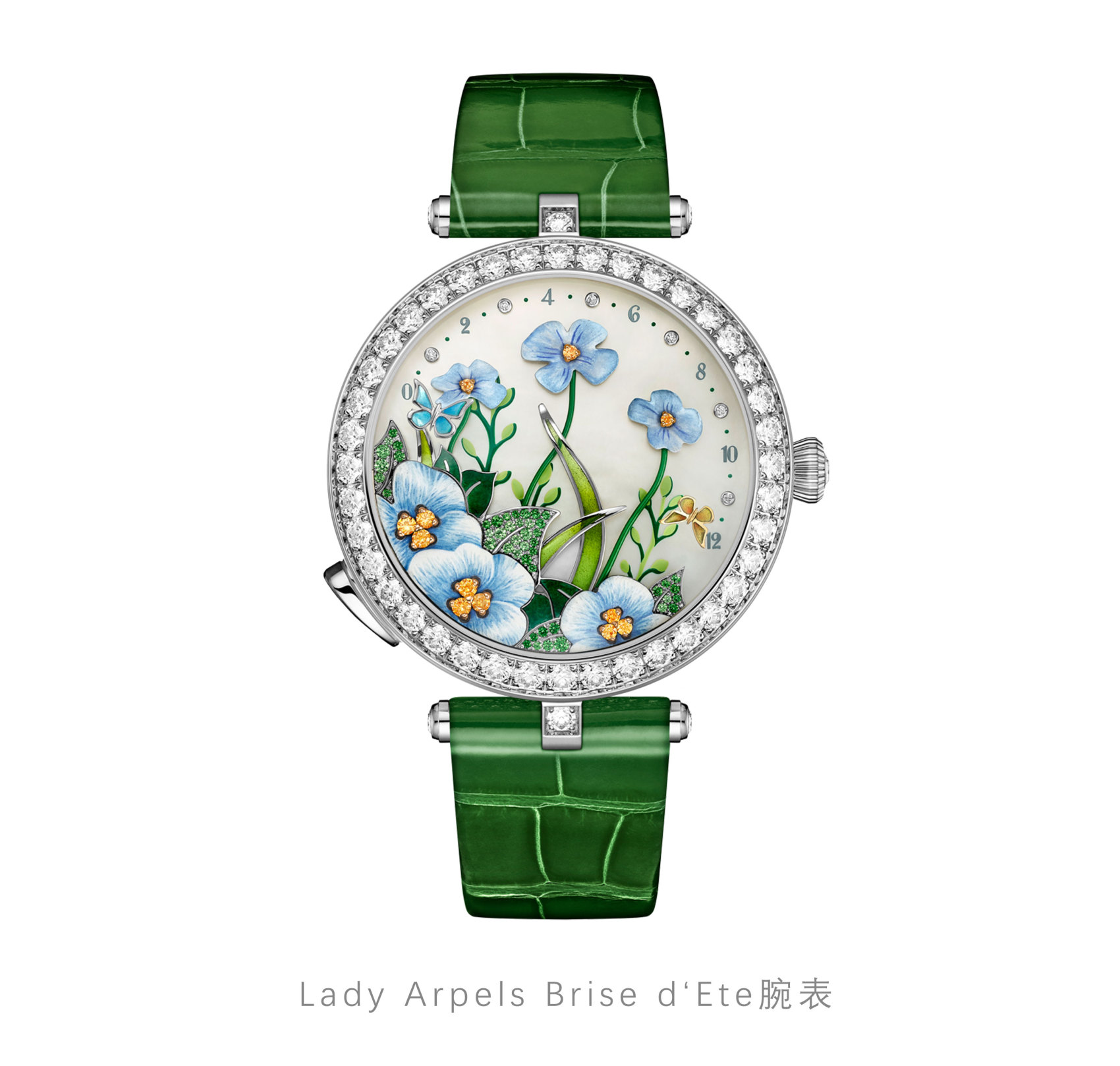
Van Cleef & Arpels originated from the love story of Alfred Van Cleef and Estelle Arpels; the maison's name Van Cleef & Arpels symbolizes the beautiful union of two jewelry families, and this romantic quality is deeply rooted in the maison's DNA. Nature, dance, haute couture, and a positive vision of life have been the "main themes" surrounding the maison since its birth, forming the creative foundation that continues to this day.
Catherine said that the story themes carefully selected by the maison today are all deeply connected to Van Cleef & Arpels' history on a cultural or artistic level; they continuously enrich the maison's identity and also inspire the maison's workshops and jewelers.
When this creative approach extends to watchmaking, Van Cleef & Arpels has formed an exclusive watchmaking philosophy distinct from any other high watch brand, summarized as Poetry of Time. It "reads time" through storytelling, downplaying traditional time indication and replacing it with poetic scenes such as blooming flowers, embracing lovers, and dancing fairies.
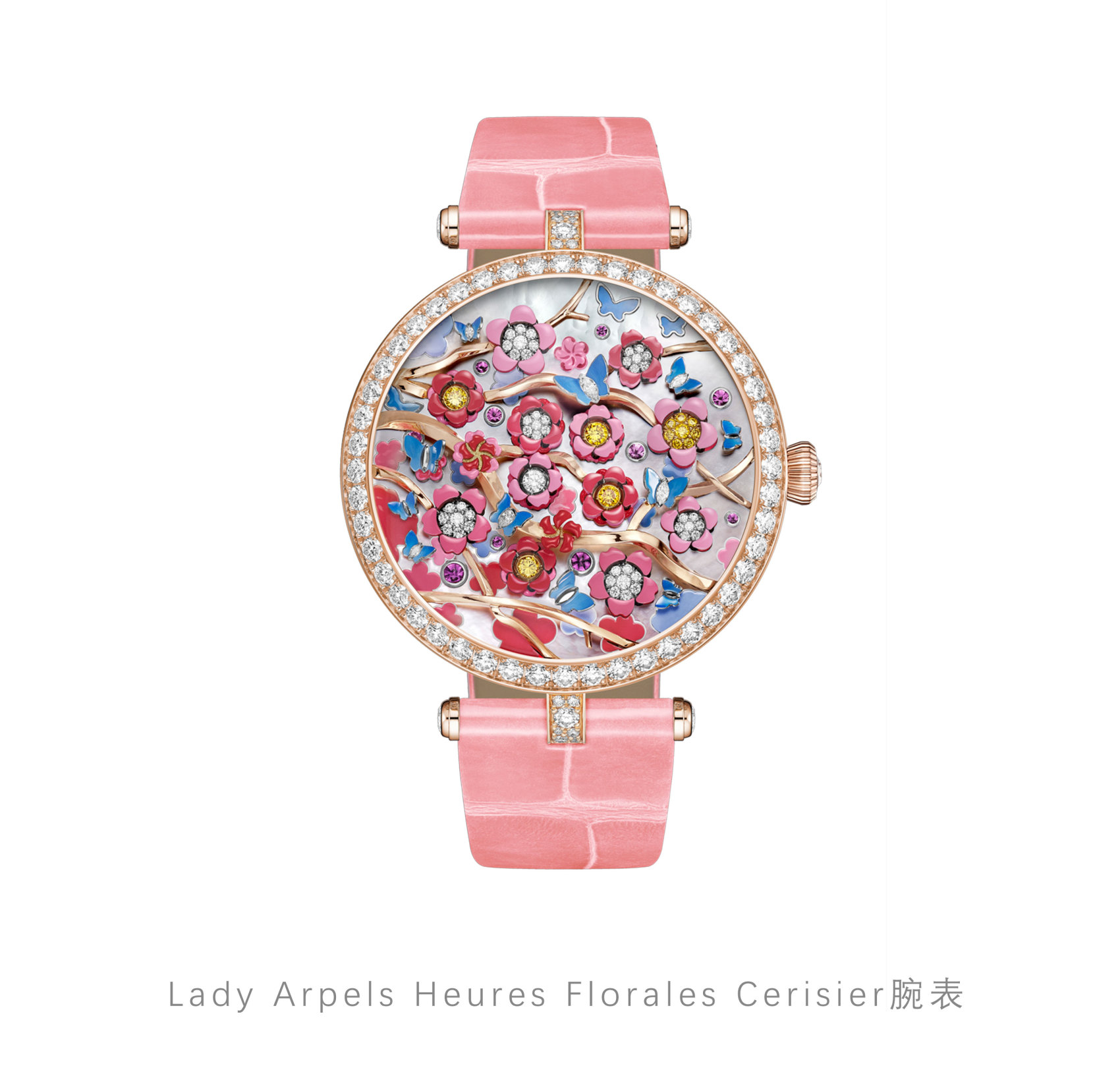
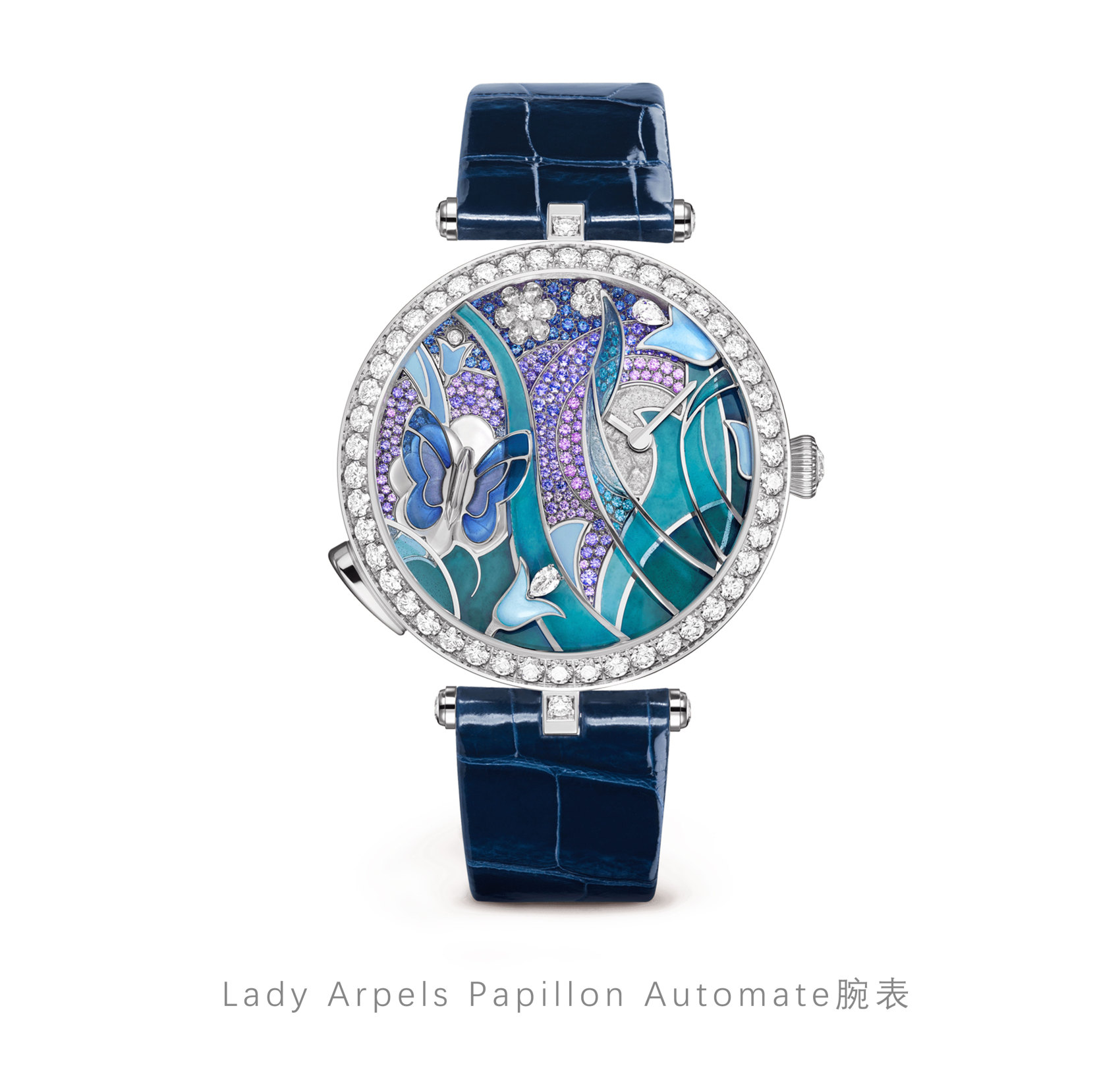

Catherine emphasized: "We take a completely different path from traditional watchmakers — because the essence of the maison's creation is precisely the heritage of craftsmanship and stories. We do not start by conceiving time and movements, but first think about stories, craftsmanship and artisanship, and then let the movement naturally fit these narratives. That is why Van Cleef & Arpels' watches and timepieces are so closely connected to everything we want to express."
Van Cleef & Arpels' proud métiers d'art, such as enamel, miniature painting, marquetry of precious and ornamental stones, engraving and sculpture, are all used in watch creation. "This is a union of crafts, just like the professionalism we pursue in high jewelry."
Catherine also introduced the maison's Geneva watchmaking workshop in Sainte-Croix, Switzerland, where the automaton works produced are breathtaking, not only amplifying what can be expressed within the square inch of a dial, but also displaying grand and fantastical narratives through intuitive mechanical movement.


"When you gaze at (these automatons), you feel the charm of a narrative and the fascinating dynamic effect. You see a great deal of exquisite craftsmanship, even heavy craftsmanship beyond high jewelry level, and you feel the extreme complexity of the mechanical movement," Catherine exclaimed. In her view, this is also one of Van Cleef & Arpels' ways of self-expression, an important part of "how mechanical objects inspire the maison".
Catherine said: "Looking ahead, we will continue to connect watchmaking with jewelry artistic expression, constantly presenting surprising new stories to the public — this is the direction we insist on."
Long-term commitment to non-commercial cultural and artistic activities — what has the maison gained?
Beyond jewelry and watch creation, in recent years Van Cleef & Arpels has also been frequently active in non-commercial cultural and artistic activities, with two projects being the most representative:
L'ÉCOLE School of Jewelry Arts, founded in 2012, has established permanent centers in Paris, Hong Kong, Shanghai, Dubai and other places, offering jewelry-related courses and free exhibitions to the public.


L'ÉCOLE School of Jewelry Arts, Shanghai
Dance Reflections by Van Cleef & Arpels, founded in 2020, aims to support dance artists and institutions worldwide and has covered about 70 partners in about 17 countries and regions. From October 14 to November 8, the project joined hands with the China Shanghai International Arts Festival to present the Dance Reflections by Van Cleef & Arpels Festival in Shanghai for the first time in mainland China, bringing together 16 wonderful productions by 15 dance companies from home and abroad.
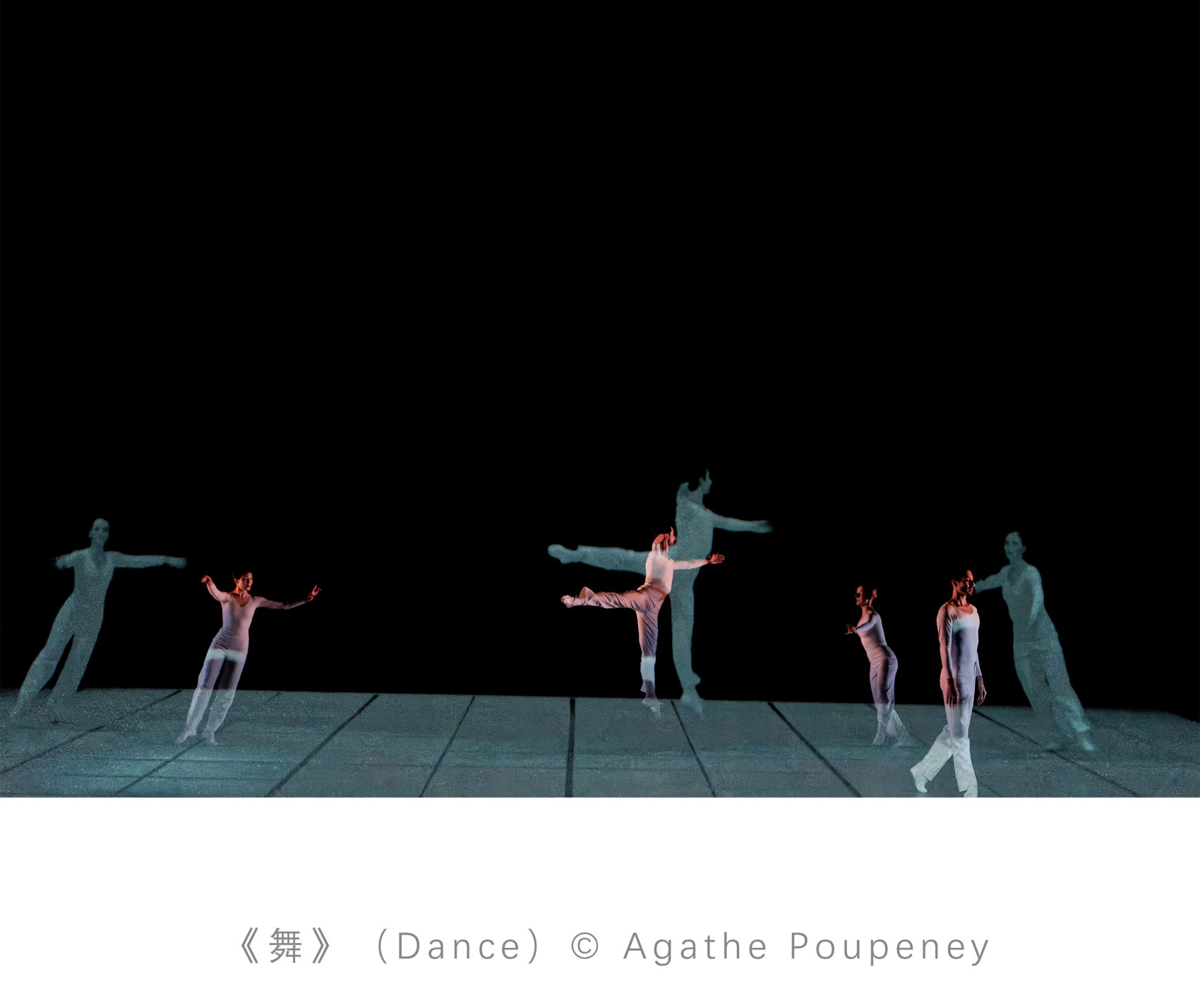
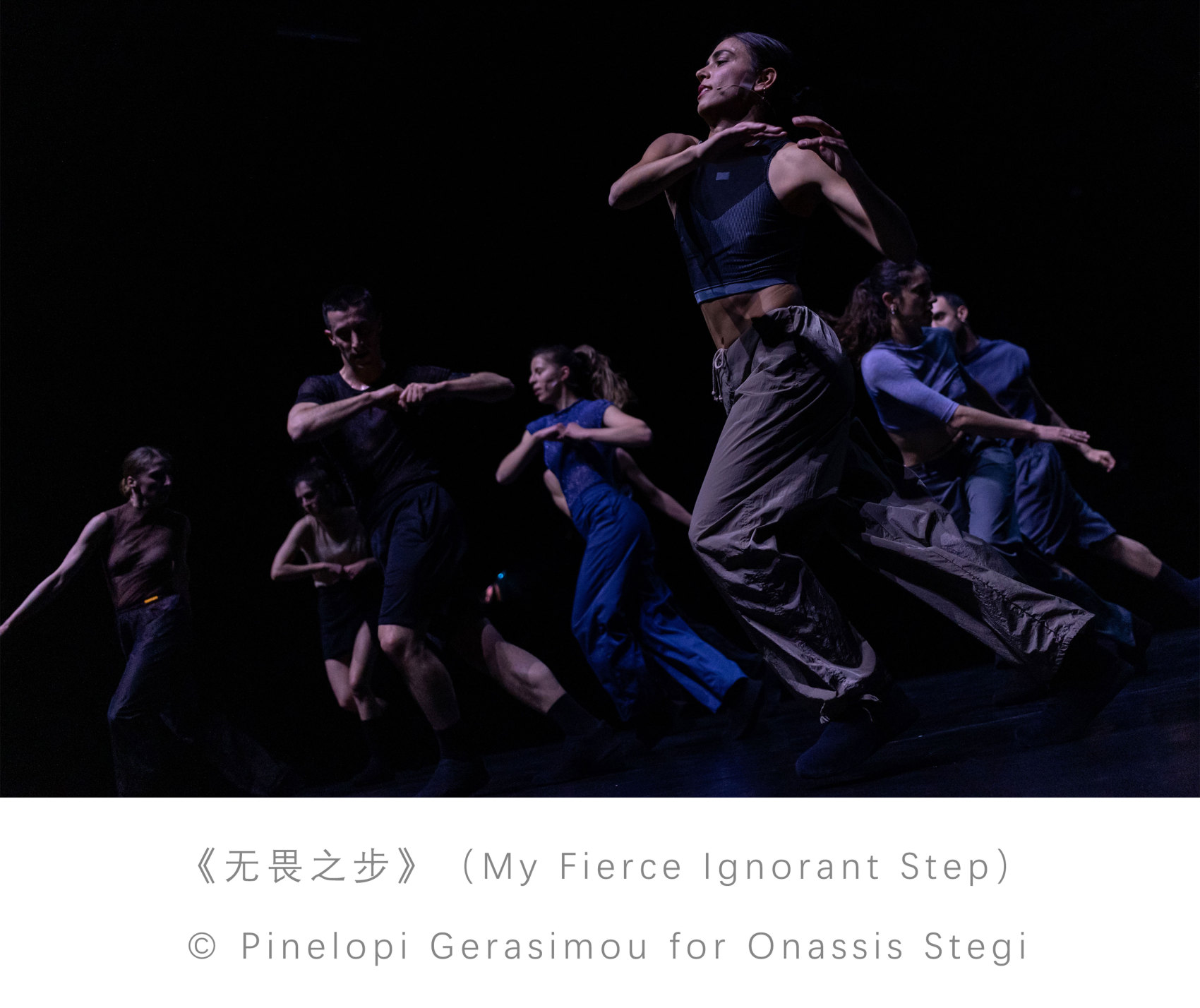

So why, as a high jewelry maison, does it invest long-term in these cultural and artistic projects without commercial returns, and continue to deepen them? Catherine explained: "These cultural activities are of great significance to the maison's identity."
For example, Van Cleef & Arpels' connection with dance art can be traced back to the family member Louis Arpels' love of ballet. In the 1920s, he often took his nephew Claude Arpels to the Paris Opera near Place Vendôme to watch ballet performances; as early as 1941, the maison created its first ballerina brooch; the meeting of Claude Arpels with the famous choreographer and founder of New York City Ballet George Balanchine gave birth to the ballet Jewels.
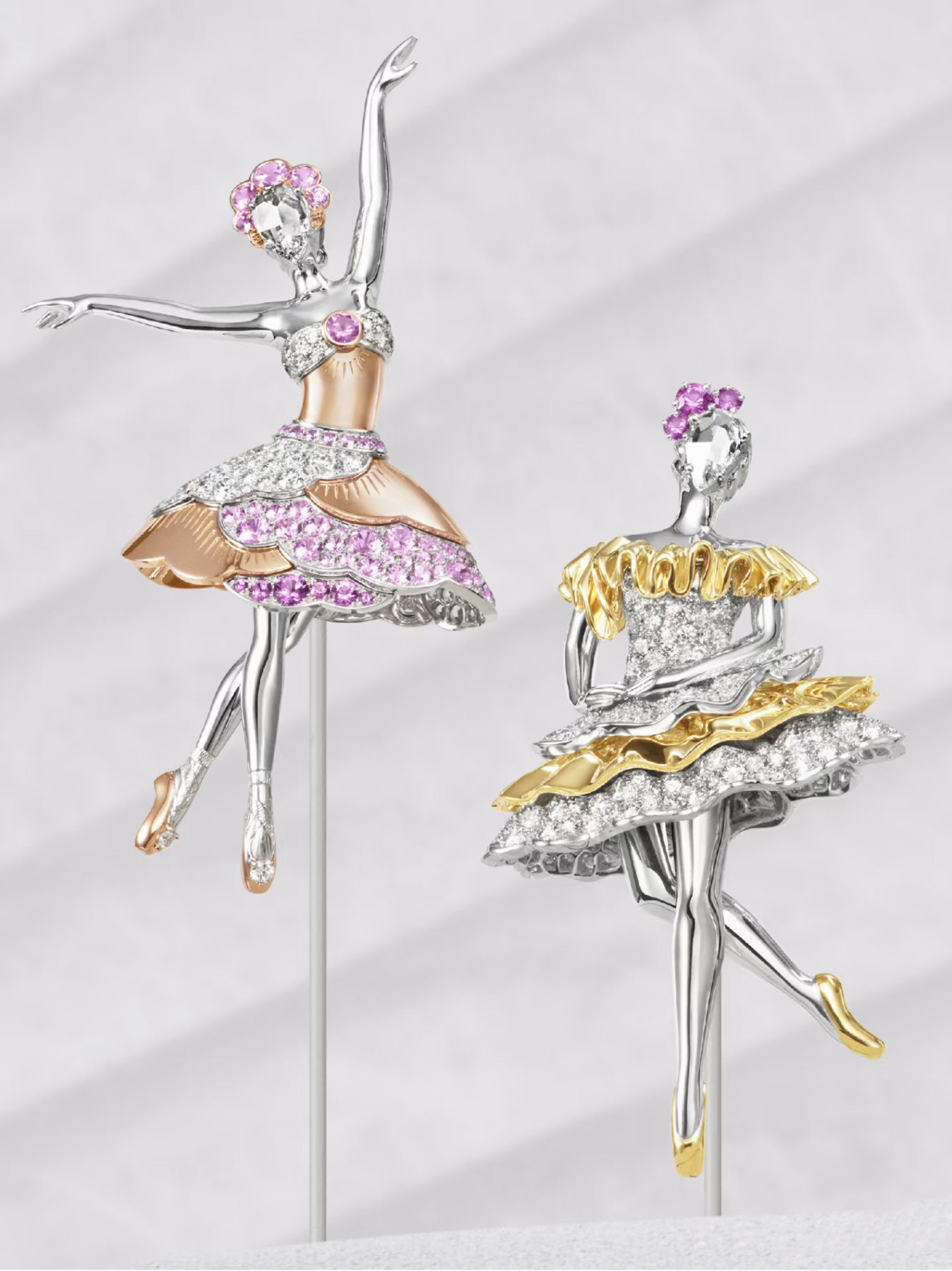
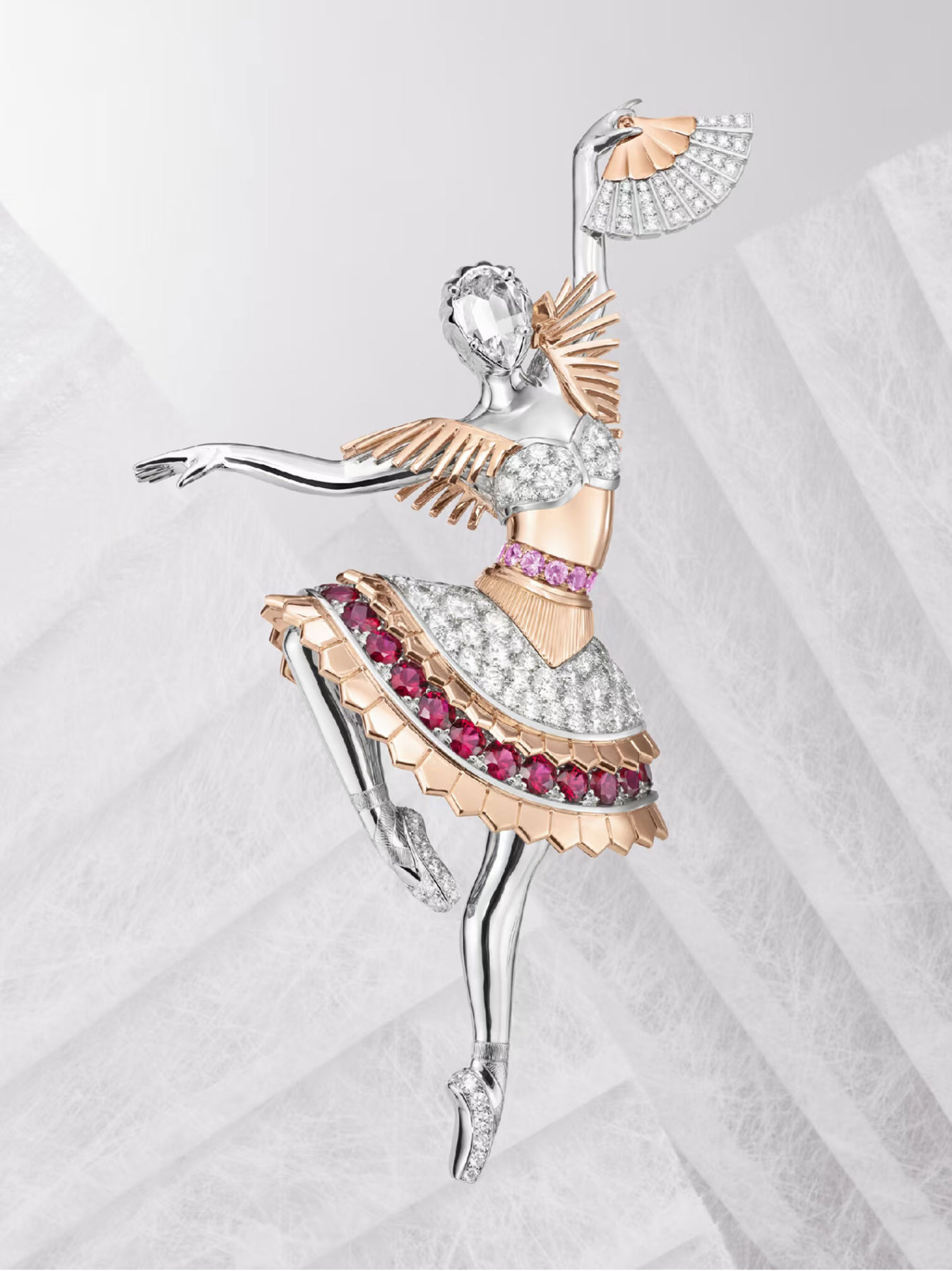
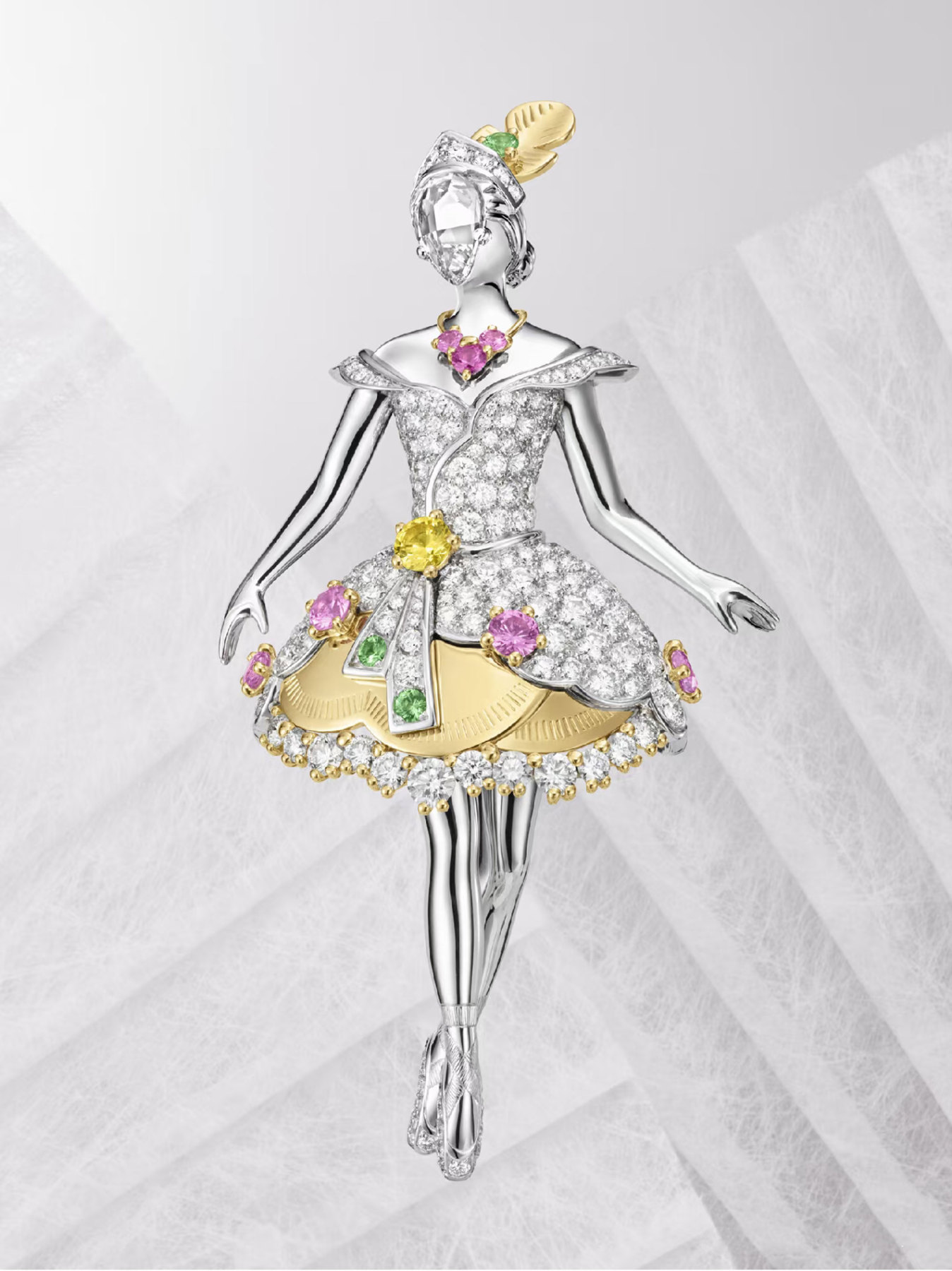
Ballet Précieux high jewelry collection
Catherine said that in these cultural fields that can strengthen and clearly define the maison's identity, the maison upholds the concept of "creation, transmission and education" in long-term cooperation with all sectors, hoping on the one hand to "convey to the public what the maison values", and on the other hand to "give back to the art field in its own way".
"The more we invest, the more new partners we meet, accumulating momentum for the future."
Taking dance art as an example, Catherine further explained the deep connection between jewelry innovation and cultural art: "We not only interpret ballet with jewelry pieces, but also involve other dance genres, accurately capturing every movement and faithfully celebrating the art of dance. Therefore, the cultural connection of what we do is very profound."
"Innovation is not for its own sake, but always returns to who we are, injecting creativity deeply rooted in the cultural dimension."
Conclusion
"We work around the balance between heritage, innovation and culture." This sentence from Catherine can perhaps be regarded as a refined summary of Van Cleef & Arpels' core philosophy.
This "balance" strategy explains why this century-old maison can continue to maintain vitality and appeal, and always maintain a clear and consistent image across multiple dimensions such as high jewelry, jewelry, high watchmaking, automatons and cultural arts. Van Cleef & Arpels never relies on a single hit or hot topic, but starts from the maison's DNA, innovates in an orderly manner on the basis of heritage, and obtains continuous inspiration and creativity through deep connections with culture and art.
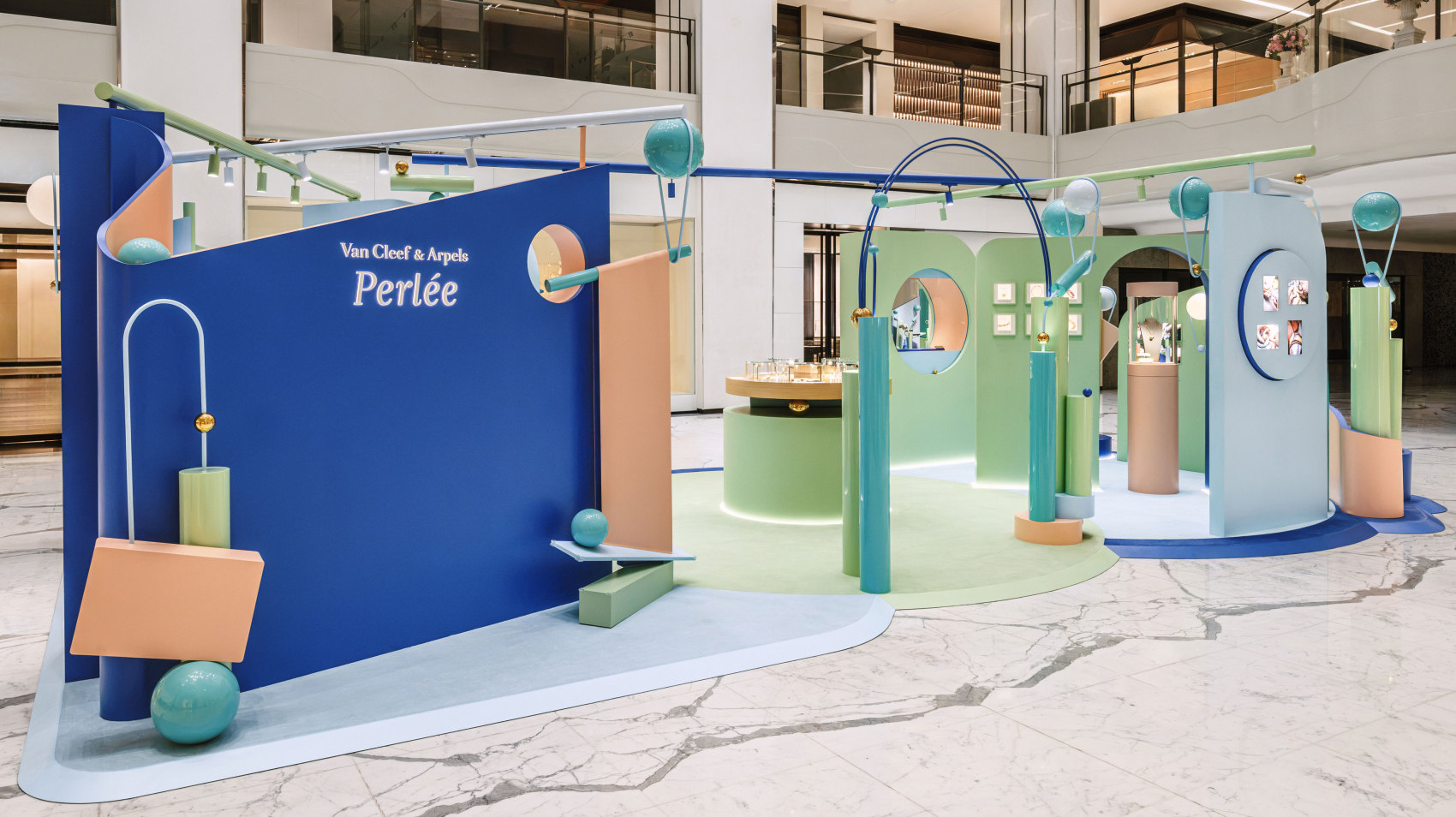
Perlée limited-time experience space presented in Beijing and other places in 2026
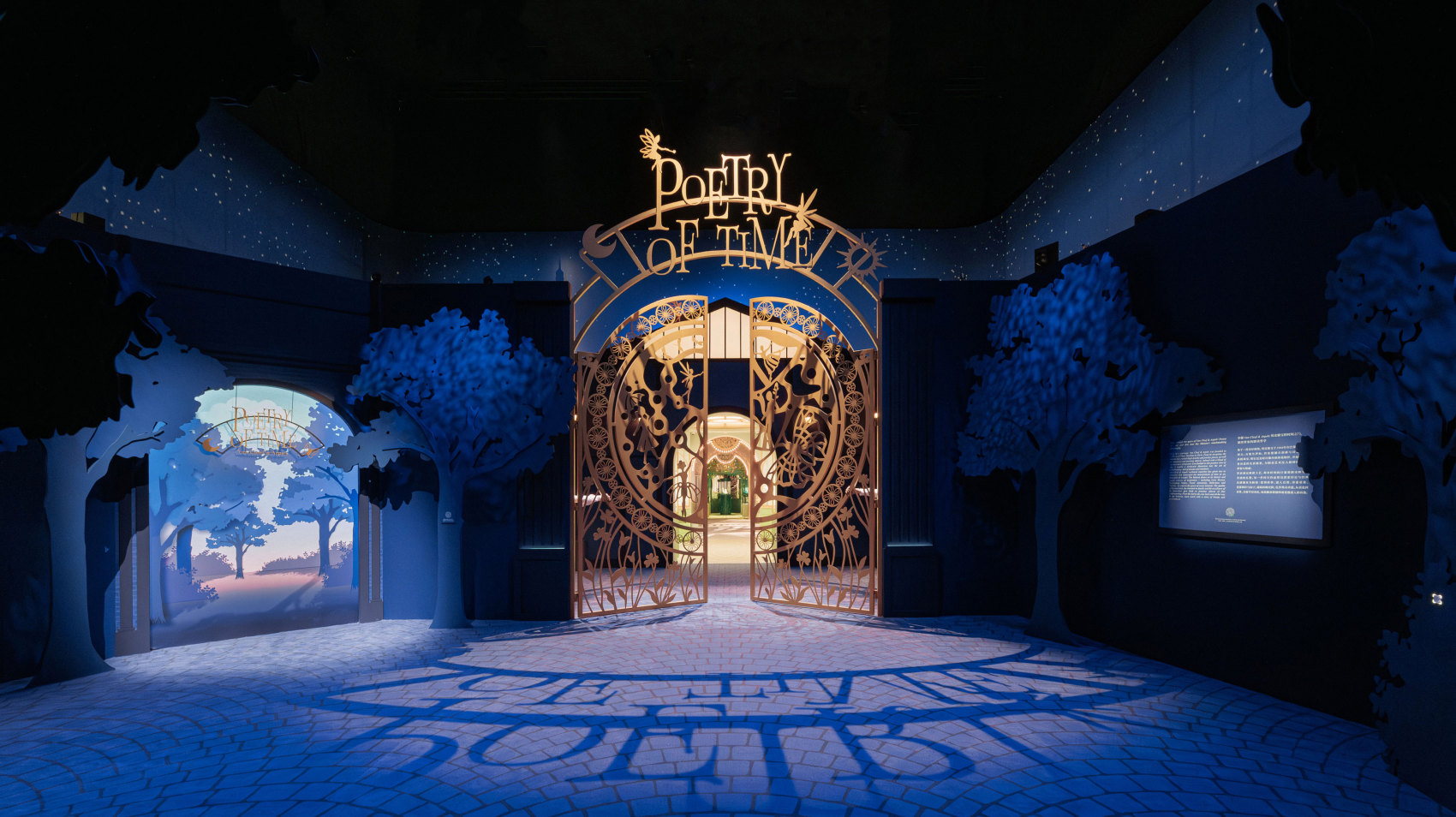
POETRY OF TIME "时间的诗篇" Van Cleef & Arpels high watchmaking exhibition presented in Shanghai in 2025

"动静有形,艺述百年" high jewelry art exhibition presented in Nanjing in 2025
When talking about the Chinese market, Catherine further emphasized to us the business philosophy of long-termism, focusing on meaning and essence: "I believe that to establish a long-term foothold in the Chinese market, one must transcend superficial fluctuations and fast pace, and build a meaningful and peaceful relationship."
"We don't want to rush. We always take time to stay authentic, to share what we believe is valuable to the maison."
It is precisely this composure and clarity that allows Van Cleef & Arpels to always know who it is in the rapidly changing global market, and to know where to go next and at what pace.
|Image source: provided by the brand
|Editor: LuxeCO