Amid continued pressure on the global fashion and luxury market, the eponymous brand of British fashion master Vivienne Westwood has nonetheless shown strong growth momentum against the trend: publicly available data show that the brand turned a profit in 2019, and sales revenue has risen sharply in recent years: revenue was £42.13 million (about €47.4 million) in fiscal 2020, and revenue had reached €250 million in fiscal 2024 (combined UK and Italy operations).
In recent years, Vivienne Westwood's unique design style and brand culture have gained increasing recognition among China's new generation of consumers. The brand has also continued to accelerate channel expansion in the Chinese market, opening new stores one after another in core commercial districts of first- and second-tier cities. In July this year, the brand's first global "House of Vivienne Westwood" officially opened at Beijing China Central Place, marking another milestone in its global footprint.
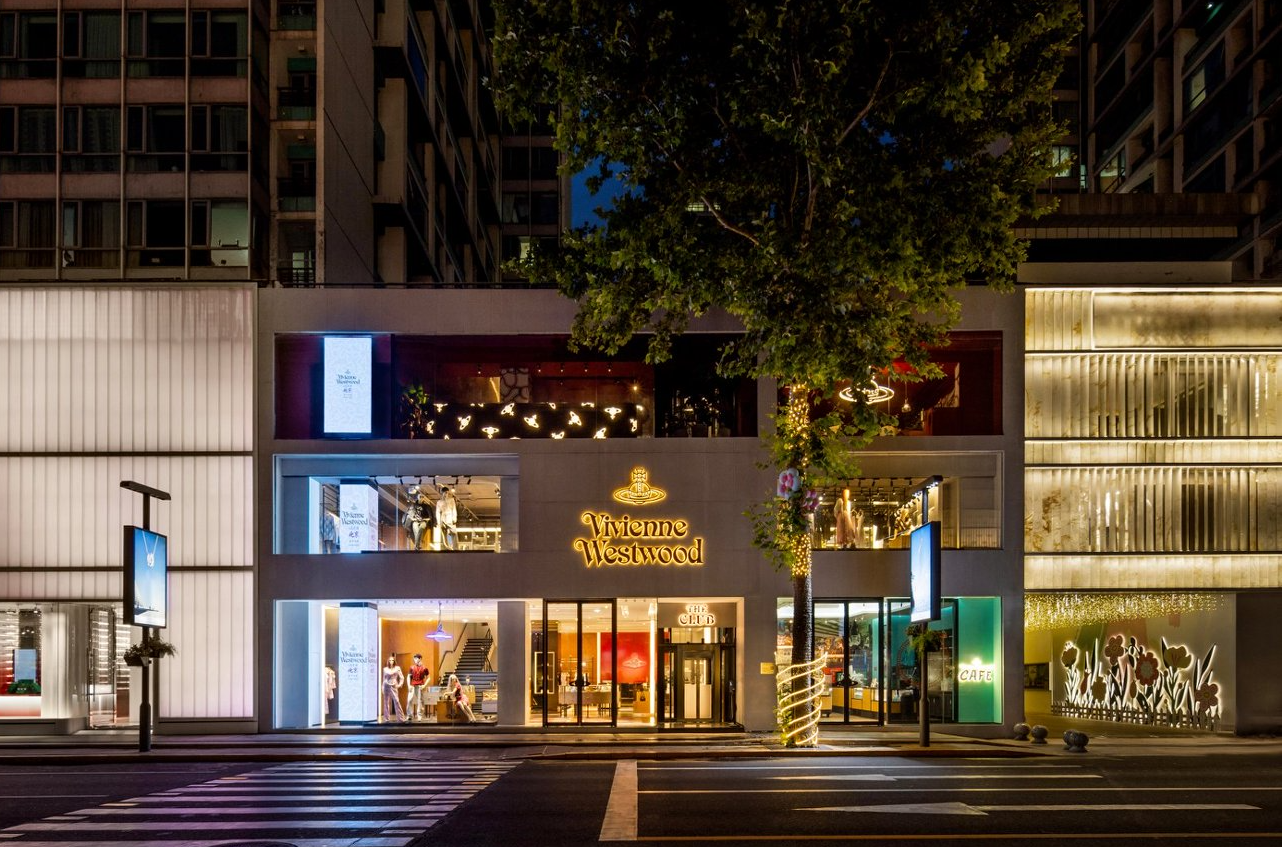
The "House of Vivienne Westwood" at Beijing China Central Place is not a flagship store in the traditional sense, but the brand's first global mixed-use space — a four-floor space that combines a retail space for the full range of ready-to-wear, Asia-Pacific's first Bridal Salon, Vivienne Westwood Cafe, and the world's first Vivienne Westwood Club restaurant and bar, vividly presenting the characteristics of the Vivienne Westwood brand and the richness of its lifestyle.
On the occasion of the new store's opening, Mr. Carlo D'Amario, co-founder and global chief executive officer of Vivienne Westwood, also came to Beijing to attend the opening ceremony and gave an exclusive interview to Luxe.CO.
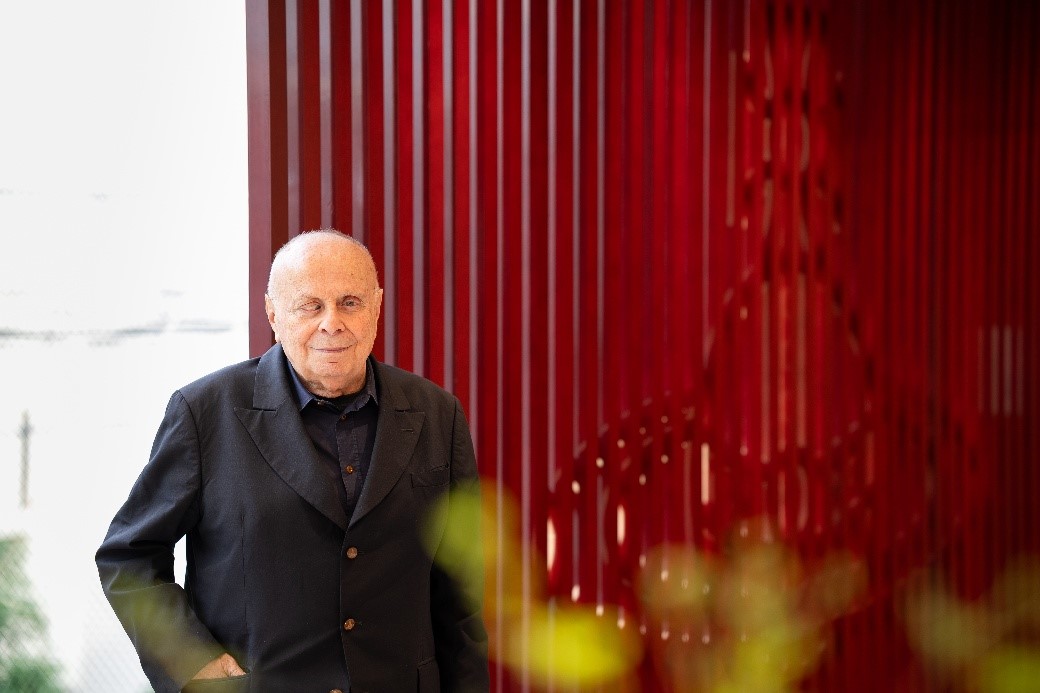
Image source: StudioMug Tatsuya Ozawa
Mr. Carlo D'Amario was born in 1945 and is now 81 years old. He studied philosophy, later entered the fashion industry after meeting Italian fashion entrepreneur Elio Fiorucci, and was introduced by Italian fashion master Giorgio Armani to Vivienne Westwood (who passed away in 2022 at the age of 81) in the 1970s, and participated in the founding of the brand in the 1980s. He worked with Vivienne Westwood for nearly forty years, driving the brand's growth into one of the few large global independent designer brands today.
In this interview, Mr. Carlo D'Amario shared with Luxe.CO his thoughts and insights on topics ranging from brand culture and the competitive environment to the Chinese market, and revealed that the company already has plans for a listing on the Hong Kong Stock Exchange.
* The following is a transcript of the interview
Luxe.CO: Why was the world's first "House of Vivienne Westwood" located in China?
Carlo D'Amario: The fashion industry today has undergone fundamental changes. At first, we sold haute couture, then came the era of ready-to-wear, and today, we are selling a lifestyle.
In the past, people went to department stores to shop, and advertising determined a brand's influence. But today, these models have all changed. Consumers are not just buying a jacket or a skirt; they want to experience the lifestyle the brand represents, including dining, hotels, home, beauty, culture and more.
So I always say, Fashion is an excuse to do something else.
The most important driver of this change comes from Asia, and China is the most important market among them.
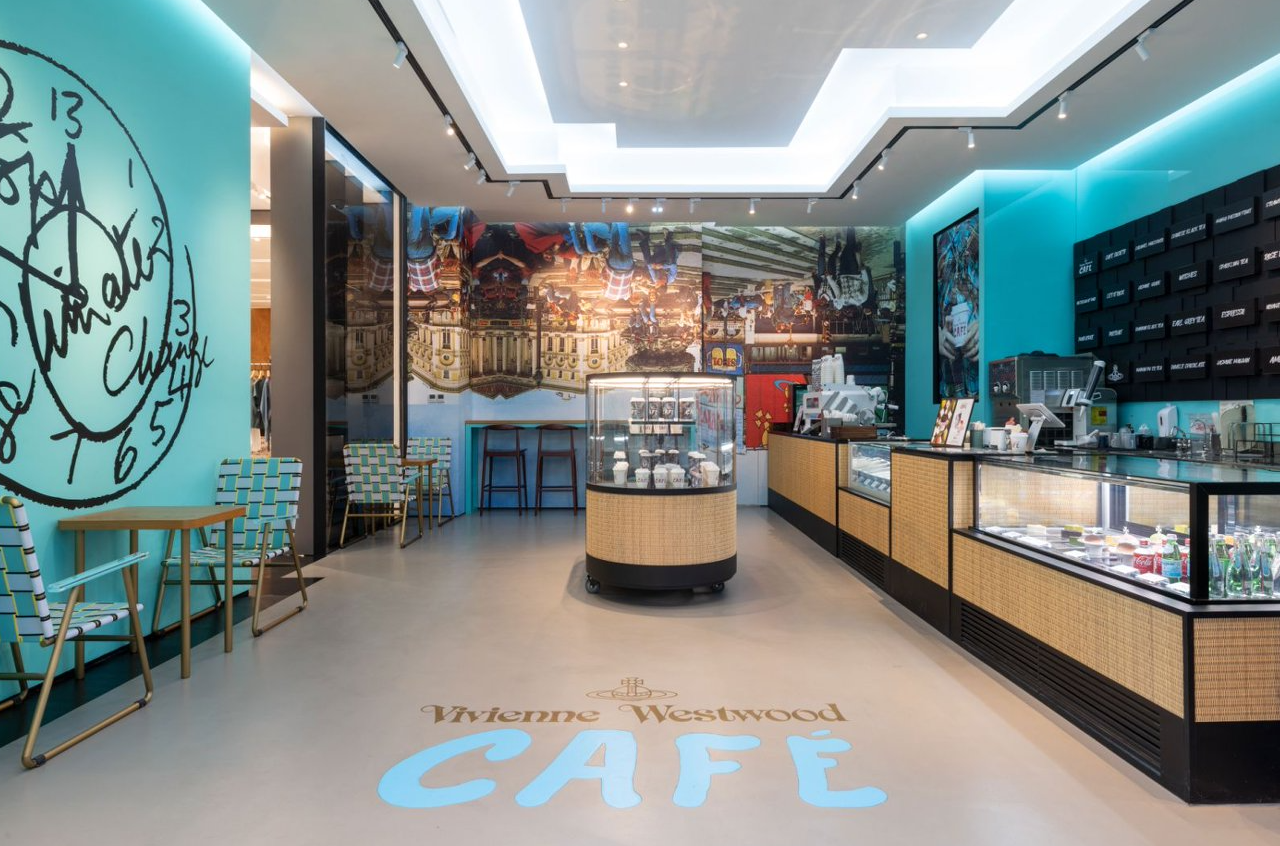
Today, people come to China because innovation is happening here. If any brand still believes today that China is merely a sales market rather than a place where innovation happens, I think that is a mistake. The future ways of consuming, ways of living, and the direction of the fashion industry's development will all continue to change here.
China has a huge young consumer base and a long cultural heritage. Asia has nearly 1.4 billion young people under the age of twenty, who will become the world's most important new consumers in the coming decades, and China stands at the center of this change.
In the past, many designers told consumers what they should wear; today, it should be the other way around. What really matters is understanding what consumers need, not what designers want consumers to accept. Especially in China, you must respect consumers. This is also the lesson we have learned from the Japanese and Korean markets over the past decades, and it now applies equally to China.
Luxe.CO: What strategic intentions does the "House of Vivienne Westwood" reflect for the brand?
Carlo D'Amario: If it were merely about making a store bigger, I don't think that would be meaningful. The "House of Vivienne Westwood" represents another retail model.
Places where consumers are willing to stay are the retail spaces that will truly have value in the future. Many young people today no longer like shopping in department stores; they prefer to go to cafes, restaurants, or places where they can connect with friends and share their lives.
In the future, people will no longer walk into a store because they want to buy a piece of clothing, but because they want to stay there, communicate, and experience the brand. Fashion is only one part of it; in the future there will be jewelry, bridal, coffee, dining, art events, home and even boutique hotels and more lifestyle content.
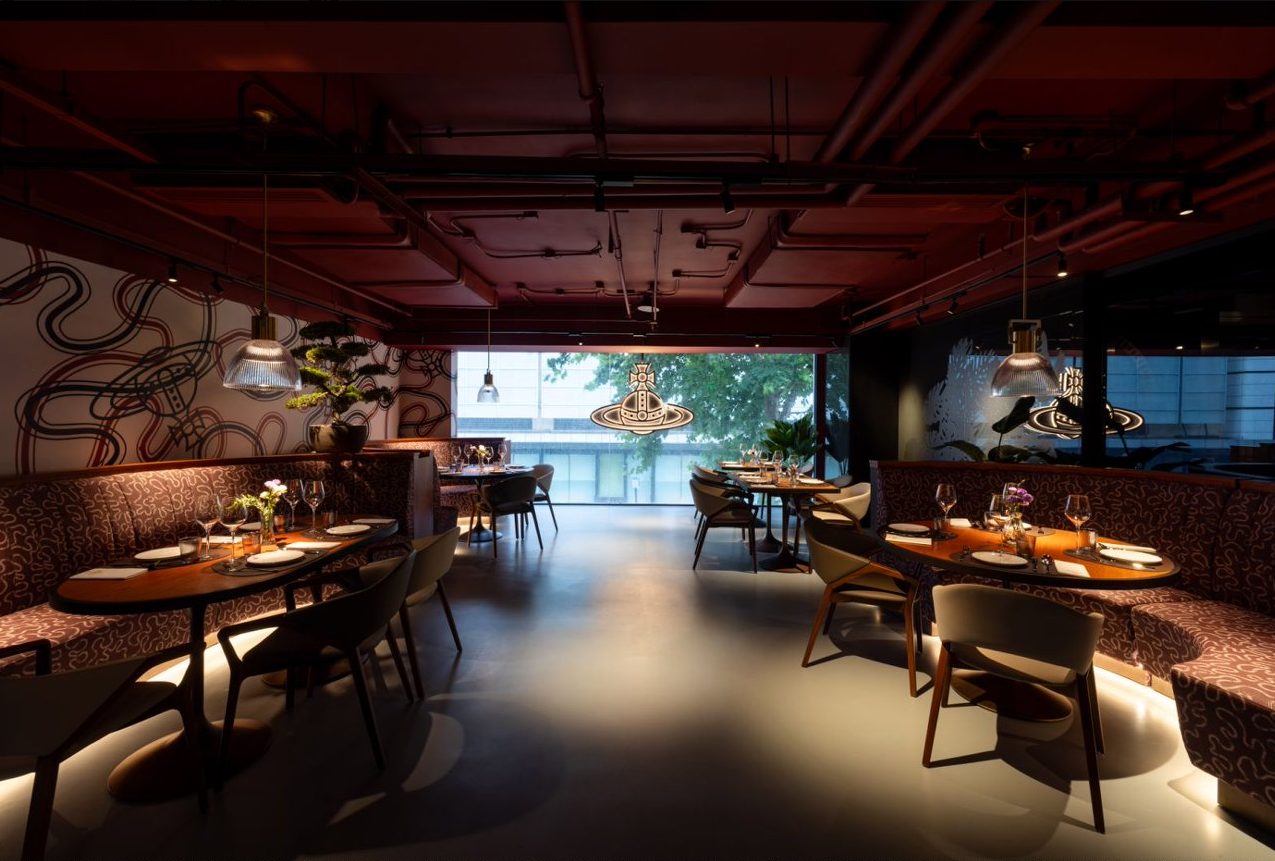
The "House of Vivienne Westwood" is precisely the brand's exploratory practice of the future retail model.
From an operational perspective, we may not necessarily enter the commercial streets with the highest rents, but will choose a place suitable for long-term development, with our own retail space, offices, showroom, and the ability to add more lifestyle formats in the future.
Luxe.CO: Over the past few years, the fashion and luxury industry has entered a period of adjustment. Vivienne Westwood, however, has maintained sustained growth. What is the reason for the brand's growth against the trend?
Carlo D'Amario: I think the most important reason is first that we have always adhered to long-term operation rather than pursuing short-term growth — many brands are willing to pay increasingly higher rents to enter the most expensive commercial streets, but our approach has always been different.
We prefer to buy properties rather than lease stores, and this is true in London, Paris, New York and Milan. This means that even if the market fluctuates, we will not bear the pressure of constantly rising rents, nor do we have to pursue sales growth simply to cover costs. Rather than rent, we prefer to invest funds in long-term assets, which gives the brand a more solid operating foundation and allows us to plan for the future with greater ease.
Second is respect for consumers. I have always emphasized that "Customer is King." If consumers are willing to walk into our stores and give us their money, we should provide valuable products at reasonable prices.
Today, a phenomenon worth reflecting on has emerged across the luxury industry. A handbag that may cost only $150 to produce is sold for $5,000. In my view, this has deviated from the true value of luxury.
We have always adhered to another approach. Many Vivienne Westwood jewelry pieces are priced at only two to three hundred dollars, most handbags are around five to six hundred dollars, and bridal also covers different price ranges. We hope more young consumers can truly own these products, rather than letting luxury become exclusive to a few.
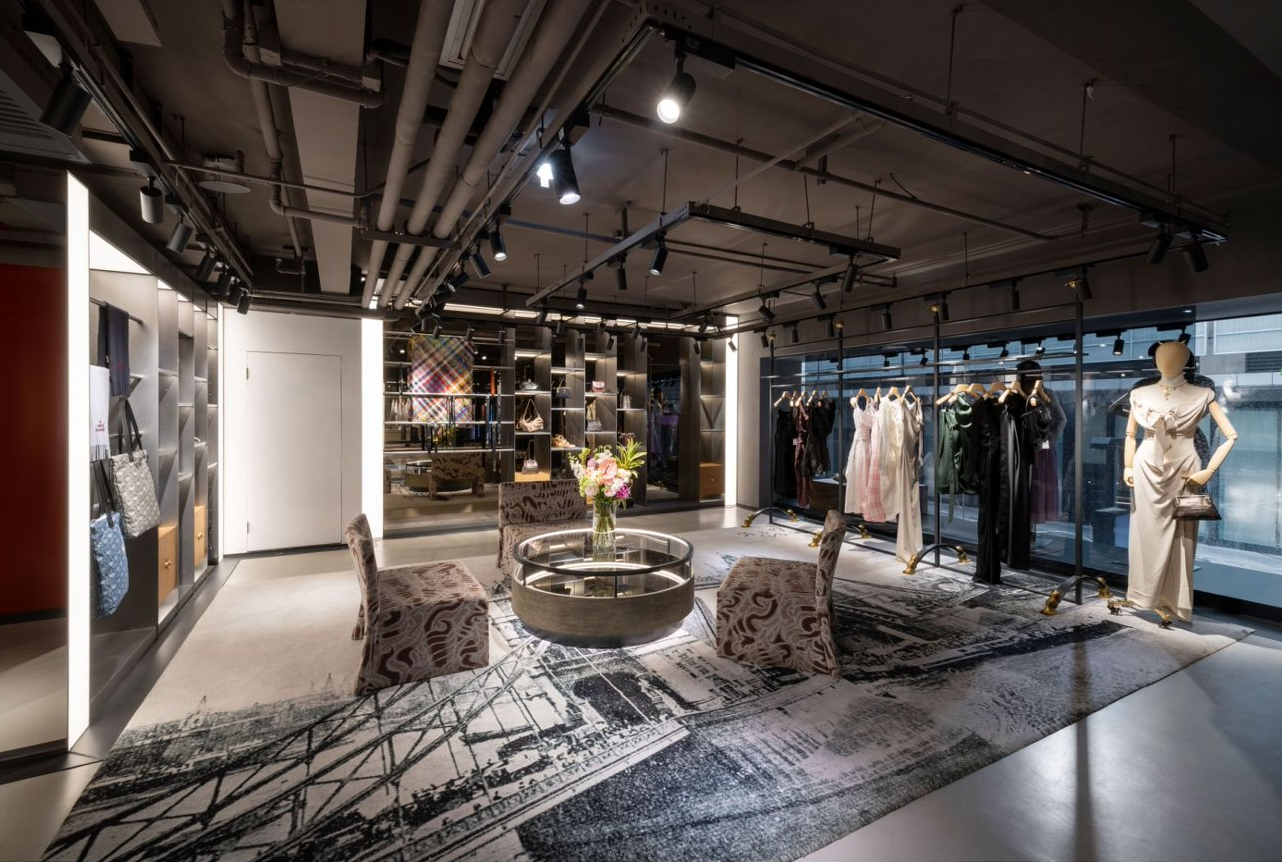
At the same time, we have always remained independent and adhered to zero-debt operation.
We have no bank loans and will not take on excessive risk for expansion. During the pandemic, many brands came under great pressure because of debt and fixed costs, while our operating approach was relatively solid, so we were able to keep operating normally.
Before the pandemic, we also made an important decision — to bring the e-commerce business entirely back in-house. When the pandemic drove rapid growth in online consumption, that growth ultimately accrued to the brand itself rather than to third-party companies. This is also one of the important reasons driving the brand's continued growth over the past few years.
I have always believed that a company's true competitiveness comes not only from its products, but also from the trust built between people over the long term.
Many Vivienne Westwood employees have worked here for twenty or thirty years, and we also maintain long-term cooperative relationships with suppliers and partners. This stability comes not only from commercial interests, but also from mutual trust and loyalty. The brand's long-term growth is not only because its products sell well, but also because it has a team willing to walk alongside it for the long term.
Today, the vast majority of global luxury brands belong to large groups, while Vivienne Westwood remains independent. I often say that we may already be one of the last remaining large independent fashion brands.
But independence is never an easy thing.
Many people think that independence means freedom — the freedom to do whatever you want. In fact, it is the opposite. Independence means no one bears risk for you, no one provides you with resources; you must give more, work longer, and run faster.
Luxe.CO: The "House of Vivienne Westwood" is the first time the brand has introduced a Bridal Salon in Asia. Why has bridal become a key category for development?
Carlo D'Amario: Bridal is one of our fastest-growing businesses.
At present, we already have Bridal Salons in London, Paris, Milan, New York and Los Angeles, and Beijing is the brand's first store in Asia to offer full bridal services.
Our bridal products cover different needs, including a ready-to-wear line that can be purchased directly and then adjusted to fit; we also offer fully bespoke services, with a very wide price range, hoping that more consumers can find products that suit them.
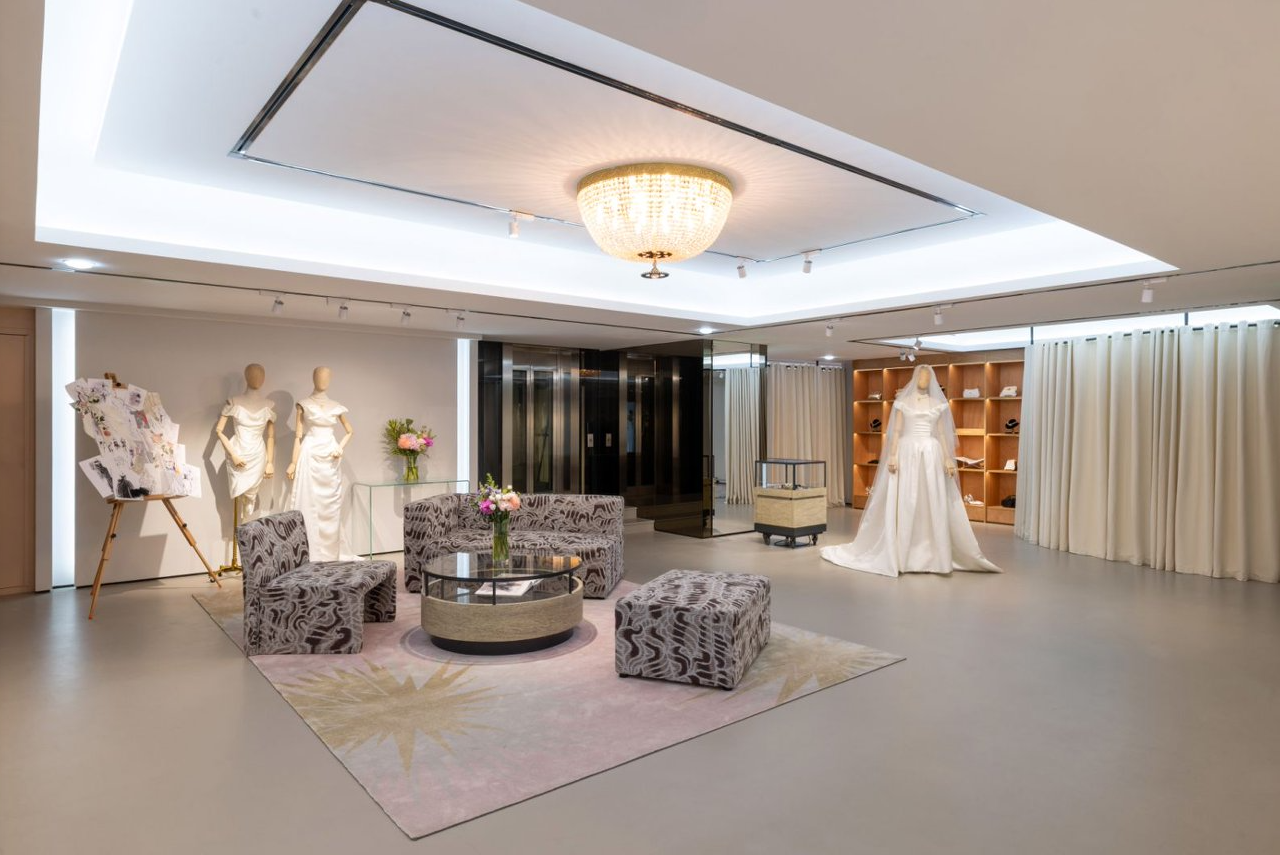
The development of the bridal business also reflects our observations of changes among young consumers. Many young women who buy Vivienne Westwood jewelry naturally also hope to wear Vivienne Westwood for their weddings when they are preparing to marry. Therefore, bridal is not an independent category, but the result of the ongoing relationship between the brand and consumers.
Especially in China, we have found that whenever social media discusses bridal-related content, it receives very positive feedback. This shows that bridal is not only a business, but also a form of cultural expression.
In recent years, I have increasingly clearly felt the changes among young women. They are more independent and more clear about what they want. At the same time, I also see a new romanticism emerging. Many young women still yearn strongly for weddings. For them, a wedding dress is not just a piece of clothing in their lives, but a work with commemorative significance.
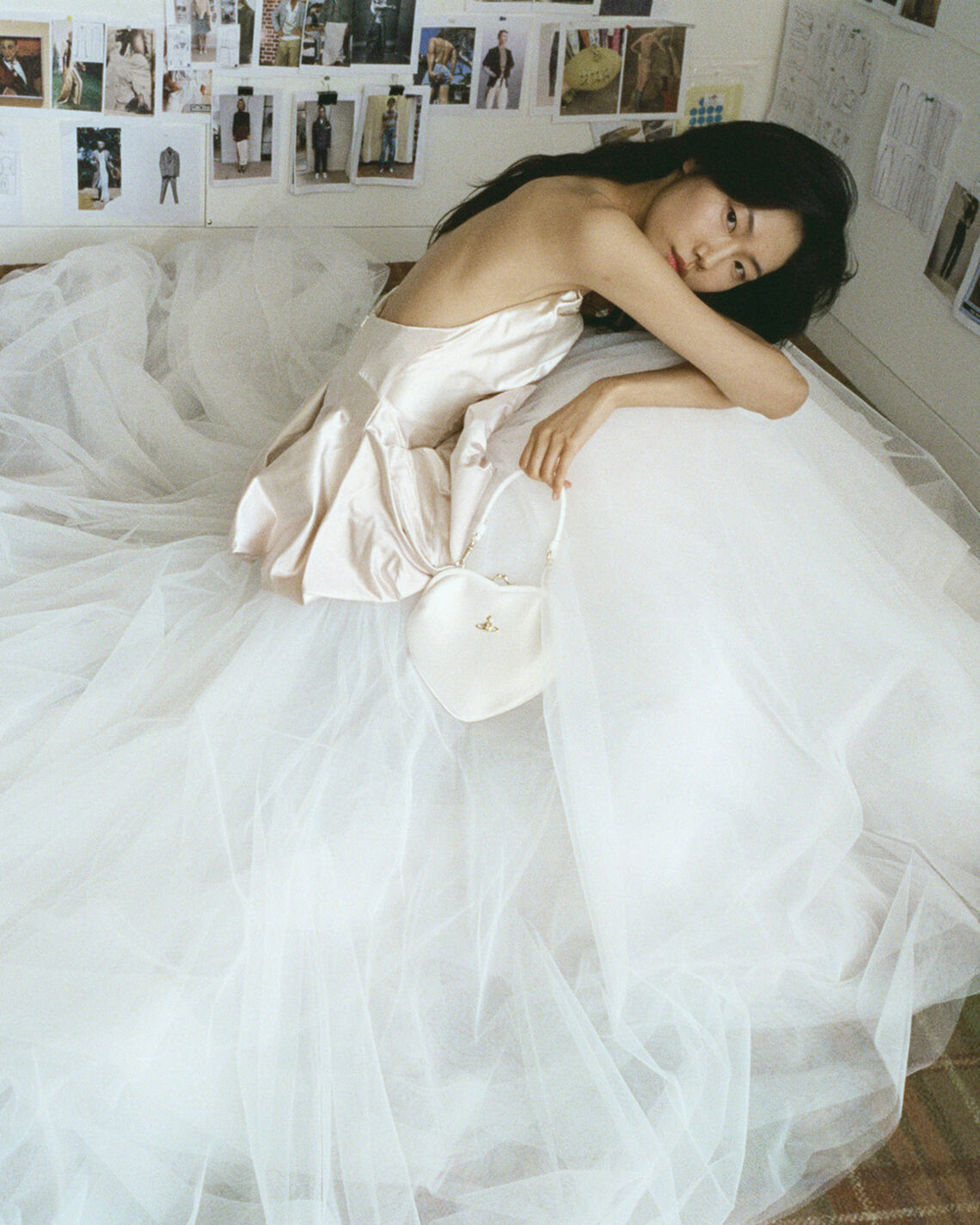
When a girl tries on a wedding dress for the first time, that excitement and happiness are real. They bring their mother, sisters or friends to choose together, with no men involved — that is their own moment. I can feel that emotion, and I understand why wedding dresses are so important to many women.
Bridal is not only a fast-growing business, but also the most complete expression of Vivienne Westwood's brand culture. It carries not only design, but also consumers' important memories of love, family and life, and this is a value that no short-term fashion trend can replace.
Luxe.CO: Today, how would you like consumers to understand Vivienne Westwood?
Carlo D'Amario: Many people understand Vivienne Westwood as punk and rebellion — but Vivienne did not rebel for the sake of rebellion.
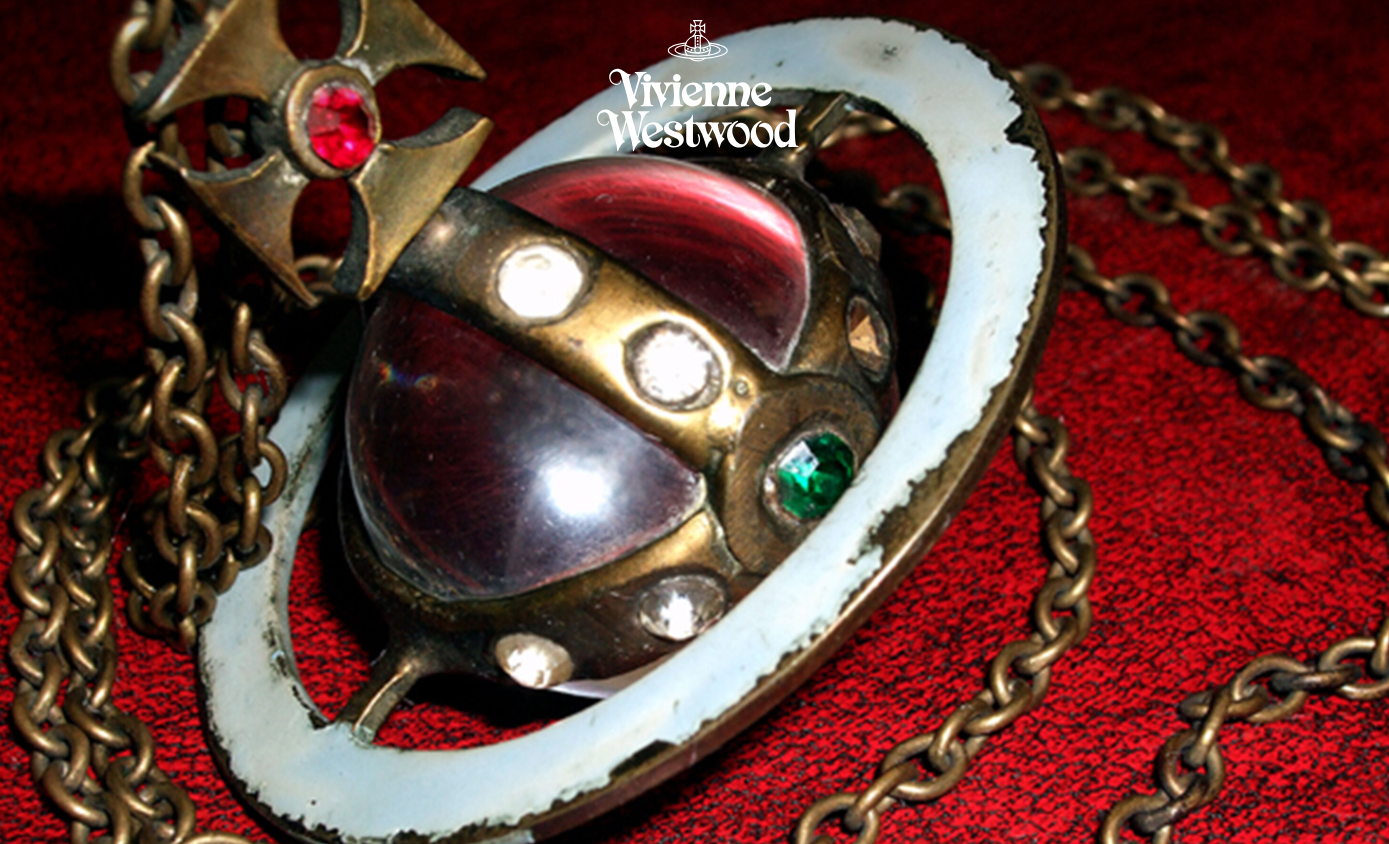
In the mid-1980s, Vivienne Westwood created the iconic "Saturn" motif. It carries Westwood's core philosophy: using history and culture as the foundation to inspire new creative ideas. The central sphere of the brand logo represents history and accumulated tradition, while the surrounding Saturn ring symbolizes the future.
She once said to me, "Let's break the entire fashion system." She did not mean to destroy everything, but to keep pushing the entire industry one step forward. It is like a car: if you only smash its windows, it will still move in the original direction; real change is to make it head in a new direction.
Today, we still adhere to this philosophy. We hope our designs can stand the test of time, and that a wedding dress a consumer buys today will still be worth treasuring twenty years later, and can even be passed on to the next generation. What truly attracts young people is not only the design, but the culture behind the brand. This is precisely why Vivienne Westwood remains deeply loved by young people around the world and in China.
Luxe.CO: What plans does Vivienne Westwood have for the future?
Carlo D'Amario: We currently have no debt and are heading in the right direction; the next step will be to continue steady development. At the same time, we plan to list the company on the Hong Kong Stock Exchange. I hope that through the listing I can give back to the employees who have served the company for a long time, but the premise is that absolute control over the brand must be ensured. In my view, the real test comes precisely when everything looks smooth. At present, we are still more like a family business, and the next step will be to focus more on streamlining management affairs at all levels of the company.
丨Image source: Vivienne Westwood, brand official website
丨Editor: Esther