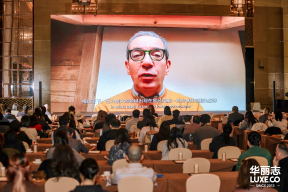
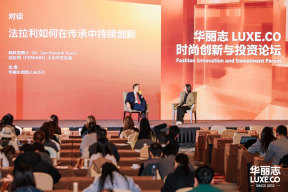
On March 19, the 2026 "Luxe.Co Fashion Innovation and Investment Forum" came to a successful close at the Jing An Shangri-La Hotel in Shanghai.
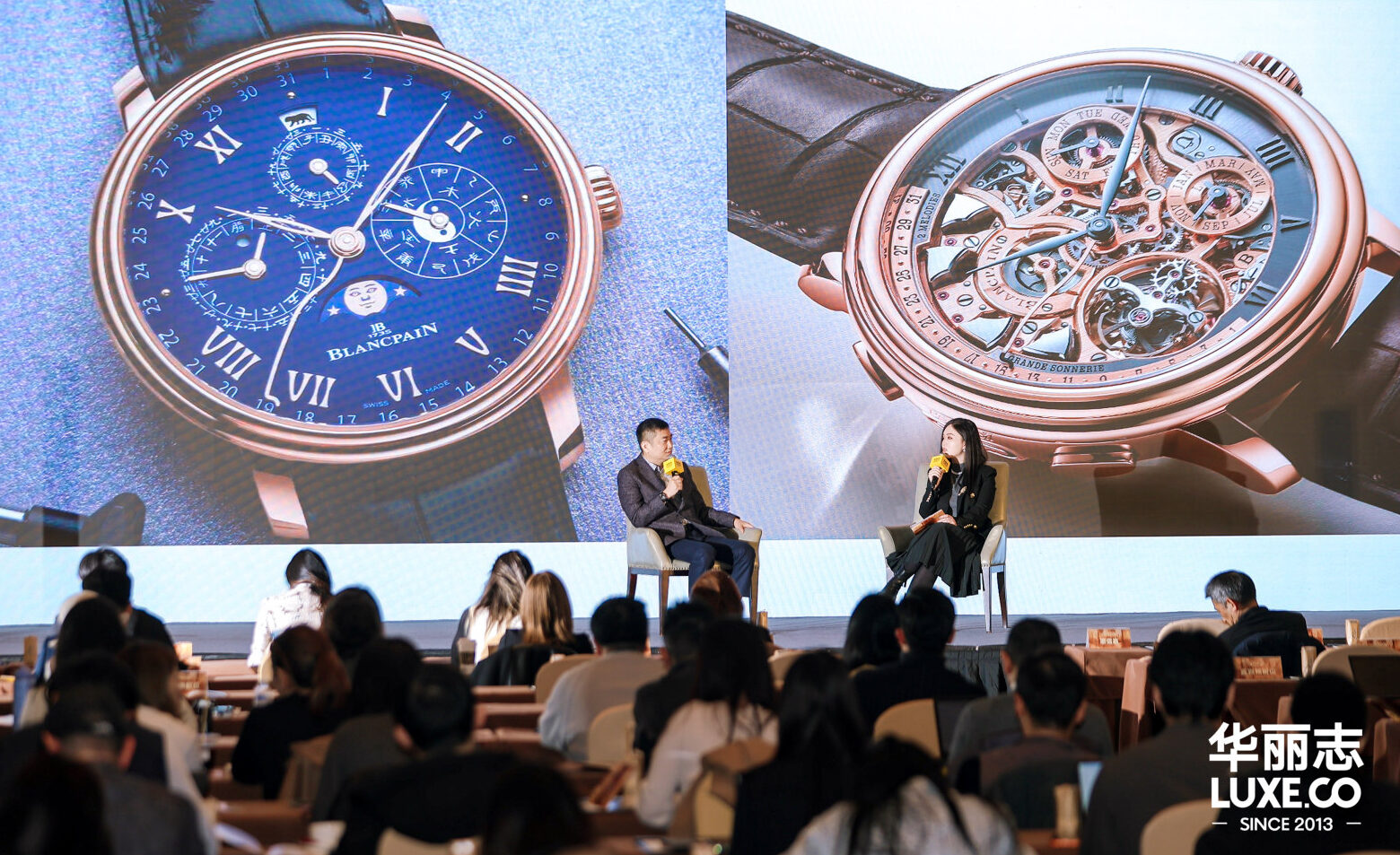
In the "How Can the Fine Watchmaking Industry Win the Future Through Innovation?" dialogue session, Liao Xinjia, Vice President of Blancpain China and member of the Swatch Group China Management Committee, and Jiang Ruohan, Consumer Industry Analyst at CITIC Securities, discussed the secrets of the Swiss fine watchmaking industry's ability to navigate cycles: solid core values, restrained and steady development, and proactive innovation in times of crisis.
Blancpain, part of the Swiss watchmaking giant Swatch Group, was founded in 1735 and is the world's first watch brand to be officially named. Liao Xinjia was Blancpain's first employee in mainland China and is an important witness to and deeply engaged participant in the rise of China's luxury market. Since Blancpain officially entered the Chinese market in 2001, he has been deeply involved from the ground up in every stage of the brand's establishment and continuous growth. In his book "Cultivating in Time: My 25 Years in Luxury" published last year, he reviewed in detail the growth journey of the brand and himself, and based on rich practical experience and unique thinking, summarized important principles for luxury brand management.
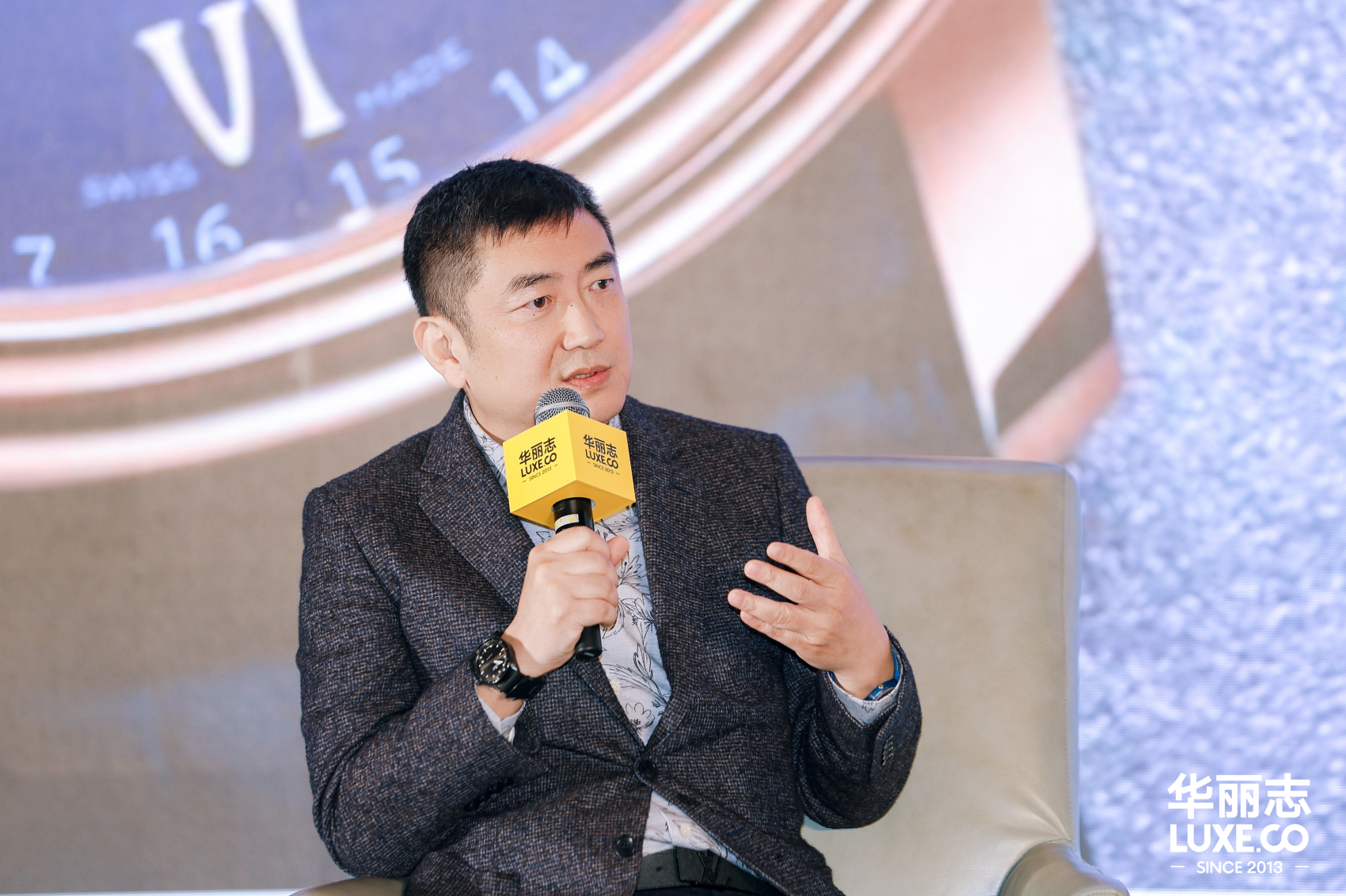
Below are the highlights of the dialogue:
"Solid Core Values, Restrained and Steady Development, Proactive Innovation in Times of Crisis"
Jiang Ruohan: The Swiss watch industry once suffered the quartz crisis. As a top watch brand with a century-long history, Blancpain has successfully navigated industry and economic cycles. In your view, what is the core secret?
Liao Xinjia: Most top luxury brands that have survived a century of cycles have gone through multiple tests including economic booms, the Great Depression, and even wars. The core logic lies in the following three points:
Solid core values: Top quality, design, and service recognized globally, combined with scarcity, making them less affected by market fluctuations;
Restrained and steady development: Even when market demand surges, they do not blindly expand production; during economic downturns they are not burdened by aggressive expansion in earlier periods, and core artisan teams are rarely laid off, forming a mature cycle-response mechanism;
Proactive innovation in times of crisis: After World War I, wristwatches replaced pocket watches; during World War II, Hamilton launched military field watches and achieved mass production of a million units—both were innovations responding to demand.
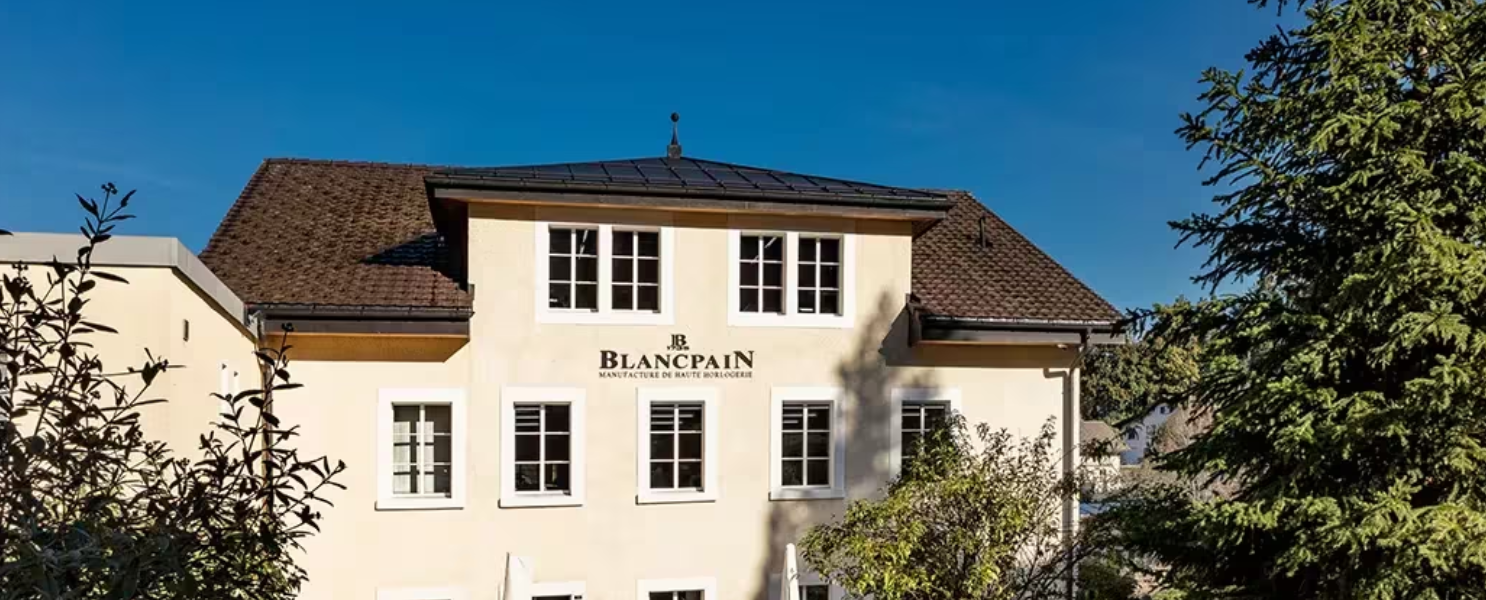
In 1983, Blancpain took the lead in reviving complicated mechanical watches, and relying on the beauty of mechanical craftsmanship, drove the recovery of Swiss fine watchmaking amid the quartz crisis. Innovation is the key for luxury brands to navigate cycles.
"Innovation Is a True Breakthrough, Not a Surface Modification"
Jiang Ruohan: Blancpain upholds the principle of "no second grade." From this perspective, how do you define the ultimate and innovation of luxury brands? Why are the two so important?
Liao Xinjia: The ultimate and innovation are core traits of luxury brands, and the two complement each other:
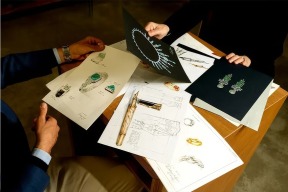
The ultimate is reflected in top-level craftsmanship across all dimensions. The long-termism of luxury brands is reflected in the enduring appeal of details. Blancpain pursues the ultimate from exterior to movement: for example, in Blancpain's classic New V series, the Roman numeral hour markers on the dial—that is, the Roman indices—contain 174 satin-brushed surfaces, with 91 newly added chamfered and polished surfaces; the perlage on the "invisible" movement bridges is refined to 0.6 mm. Even entry-level models follow top-level craftsmanship standards—this is the core meaning of "Blancpain, a brand of conscience".
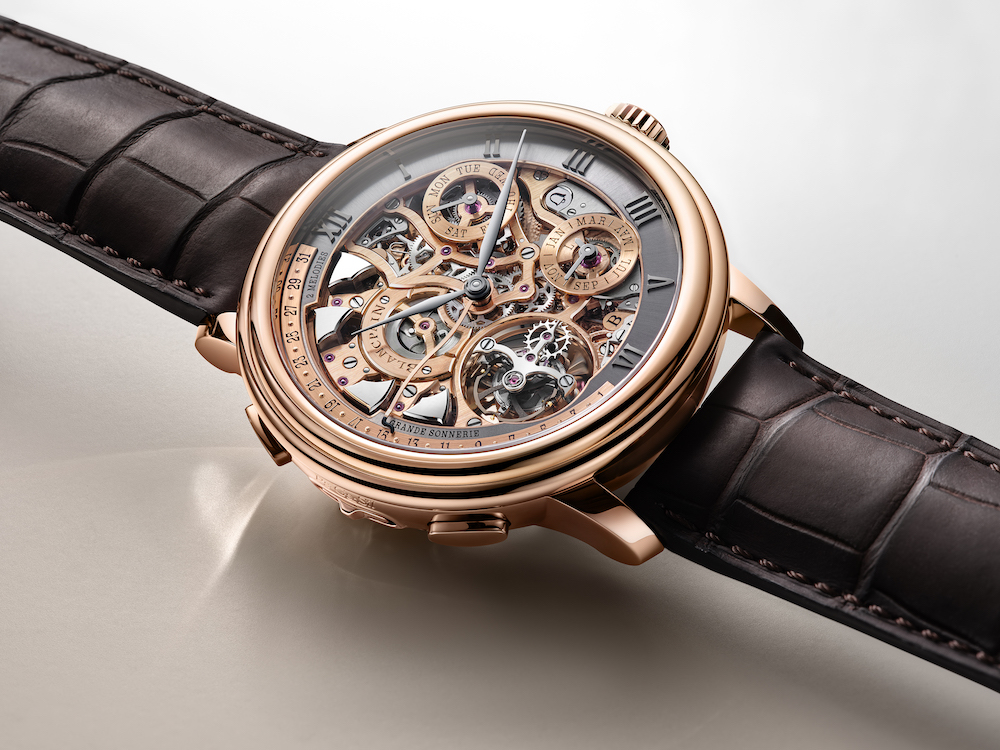
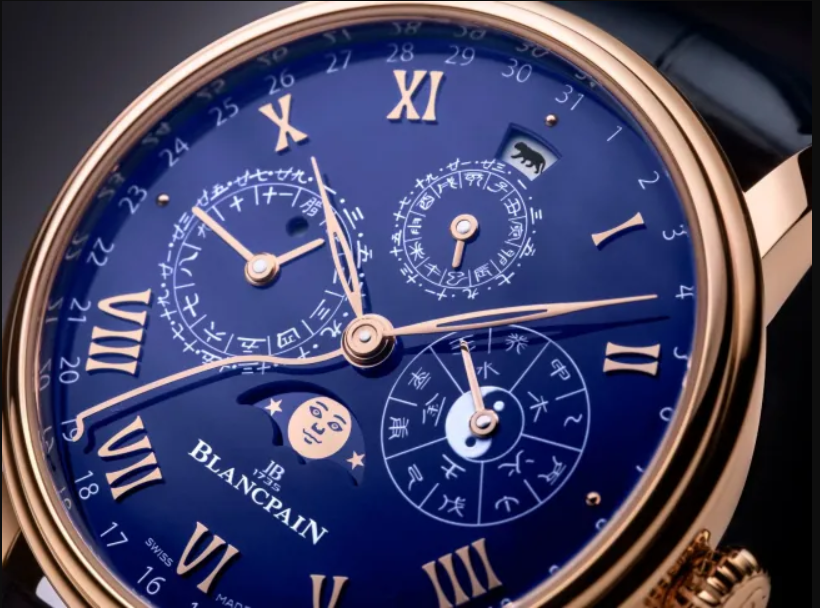
Innovation is a true breakthrough, not a surface modification. Watch innovation is by no means superficial work like changing the dial or adjusting the size. Blancpain insists on practical innovations that predecessors had not achieved: in 2012 it launched the world's first Chinese calendar watch integrating Chinese and Western calendars; in 2025, for the brand's 290th anniversary, it launched, after 8 years of research and development, the "Grand Complication—Dual Melody Grande and Petite Sonnerie with Four Hammers and Four Notes" ultra-complicated watch, breaking the industry's misconception of simply stacking complicated functions, achieving a balance between complicated functions and wearing practicality, and refusing to become a flashy "safe watch."
"Tap Into the Brand's Core Values and Resonate with the Target Market"
Jiang Ruohan: The Blancpain Chinese Calendar watch is a model work of East-West integration. Today, how should luxury brands localize while balancing local culture and the brand's original DNA?
Liao Xinjia: Shallow localization is merely piling up Chinese elements (such as Chinese character indices), which easily falls into a stereotyped Orientalist perspective. True integration must grasp two points:
Fully understand the cultural core: The Chinese Calendar watch took five and a half years to overcome the irregular calendrical logic of the Chinese lunar calendar, achieving the integration of Chinese and Western calendars at the technical level rather than superficial symbol assembly;
Align with the brand's core values: Localization requires finding the point of convergence between the brand's original DNA and local culture, rather than stiffly stacking elements;
By extension, the same applies to local brands going global. The saying "what is national is global" is not entirely accurate; it requires an international perspective and team, good cultural translation, and adapting national craftsmanship to global aesthetics and norms—tapping into the brand's core values and resonating with the target market.
"The Core Value of Luxury Lies in Long-Term Value Beyond Use"
Jiang Ruohan: In the current market environment, some people question whether luxury is "the usefulness of the useless." How should this view be understood?
Liao Xinjia: This perception is essentially a misunderstanding of the value of luxury:
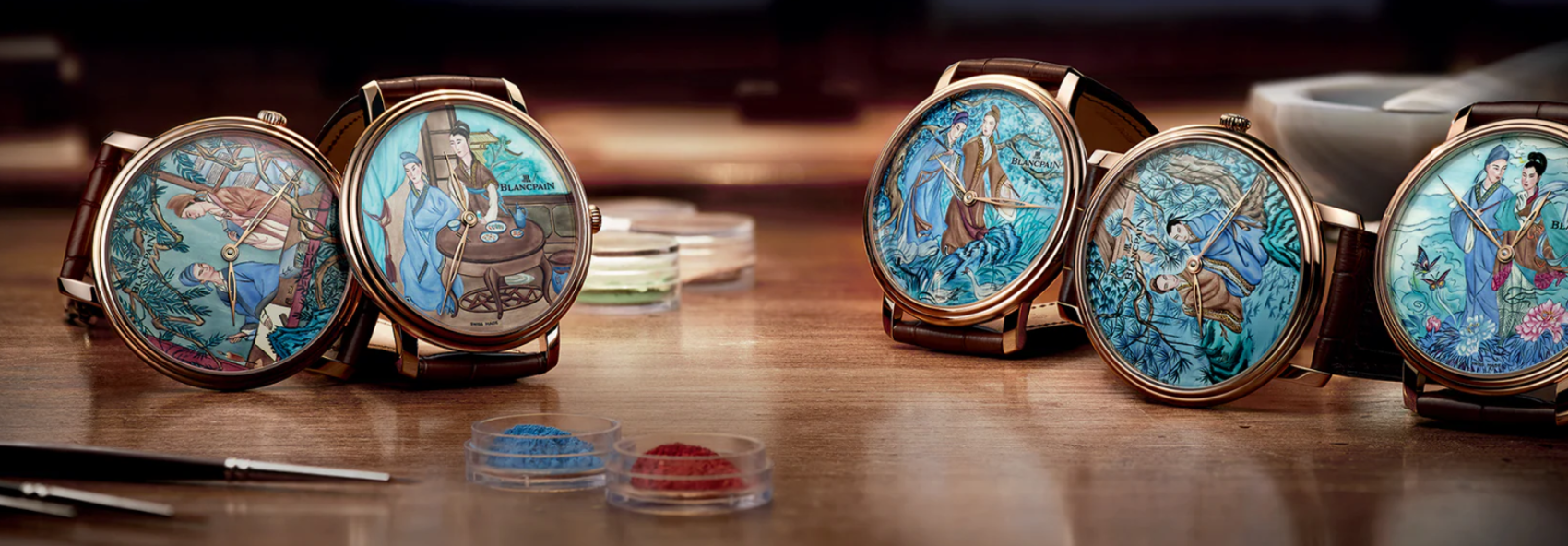
Luxury is not only about use value; it also includes craftsmanship value, collectible value, emotional value, and service value; the use value of necessities accounts for nearly 100%, while the core value of luxury lies in long-term value beyond use;
The claim that luxury carries excessive premiums does not hold either—its profit margin may even be lower than that of ordinary fast-moving consumer goods. Luxury is simply priced higher; the so-called "usefulness of the useless" is a one-sided judgment made without a deep understanding of the essence of luxury.
"The Core Value of the Asset-Heavy Model Lies in Service Upgrades and Connecting with Customers"
Jiang Ruohan: Top watch brands are setting up asset-heavy directly operated experience stores that include dining, after-sales, and VIP clubs, and even purchasing properties to hedge against rent fluctuations. Is this model suitable for all brands? What are the difficulties in operation?
Liao Xinjia: The asset-heavy flagship model is not suitable for all brands; the key is precise placement rather than blanket rollout:
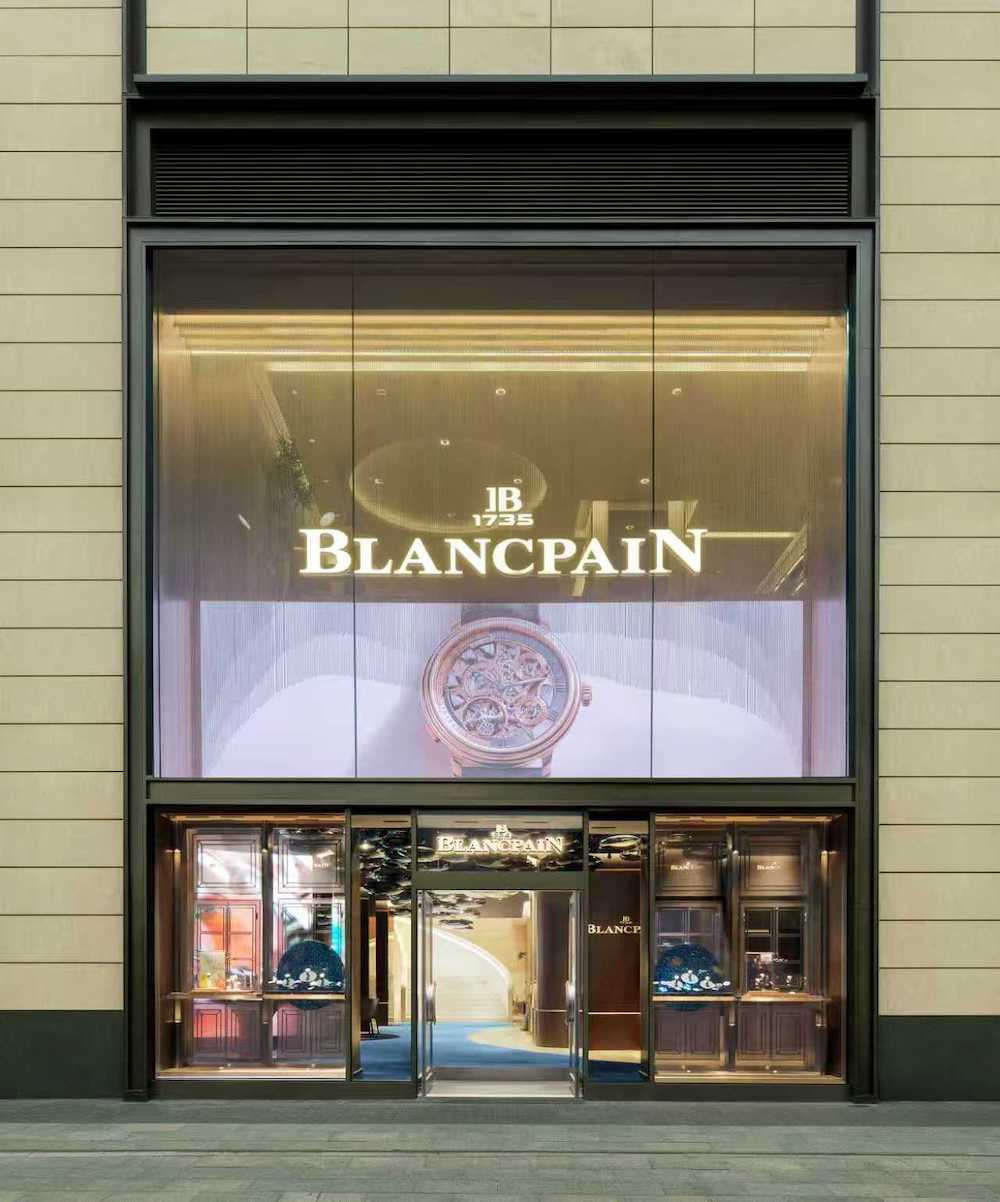
In terms of layout logic, Blancpain has built 500-600 square meter flagship experience stores only at WF Central in Beijing and Shanghai Xintiandi, integrating sales, VIP clubs, and after-sales centers. Blancpain pioneered this model in 2012, with the core aim of enhancing service and maintaining old-customer loyalty; its after-sales center can repair more than 90% of complicated-function watches.
The key to operation is to have just 1-2 landmark stores in core locations of core cities. If the asset-heavy model is copied across all channels, costs are difficult to recover; the core value lies in service upgrades and emotional connection with customers, not scale expansion.
"Return to the Original Intention of 'Doing Everything Well'"
Jiang Ruohan: In your book "Cultivating in Time," you often mention maintaining a calm mind. As a brand manager, how do you make correct business decisions with a calm mind?
Liao Xinjia: The luxury industry comes with a halo, and managers are easily swayed by emotions and anxiety, while decisions made under pressure often go wrong. The key is to look inward and return to the original intention:
Maintain awareness and a calm mind, not be carried away by the industry's halo, and always judge clearly;
Let go of the obsession with "pursuing success and proving oneself," and return to the original intention of "doing everything well";
Recognize that success depends on the right timing, place, and people, focus on doing one's own part well and leading the team, and approach brand management with the mindset of cultivation.
Further reading: 25 Years in Luxury: How to Cultivate in Time? Blancpain China Vice President Liao Xinjia in Dialogue with the Founder of Luxe.Co
About the "Luxe.Co Fashion Innovation and Investment Forum"
Twelve years ago, Luxe.Co was the first to recognize the importance of high-quality information, communication, and research for the development of mid-to-high-end brands. Starting from providing professional and comprehensive financial and business information, we have accumulated rich exclusive data and case assets, as well as exclusive insights into brands and segmented industries derived therefrom. We have built a complete system capable of continuously and stably producing high-quality content and research results, making Luxe.Co the most "certain" link in the noisy and volatile fashion industry, providing decision-makers with important fulcrums to leverage the future, and naturally gathering China's highest-quality premium readers around us.
In the process of iterative advancement, we have been fortunate to engage in deep exchanges and cooperation with an increasing number of outstanding entrepreneurs, investors, and business managers, becoming their trusted fellow travelers. When this high-quality accumulation and exchange reached a critical point, the "Luxe.Co Fashion Innovation and Investment Forum" arrived as scheduled.
Since 2015, Luxe.Co has held eight high-level industry forums in succession, as well as hundreds of online and offline themed events, building a valuable stage for high-density, high-quality face-to-face exchange for elites in the "fashion" field.
丨Image source: Luxe.Co, Blancpain official website
丨Editor: Maier