
On March 19, the 「Luxe.CO Fashion Innovation and Investment Forum」 successfully concluded at the Jing'an Shangri-La Hotel in Shanghai.
Mr. Luca Solca, Managing Director and Global Head of Luxury Research at international asset management company Bernstein, was invited to connect from Europe with Luxe.CO to discuss how the global luxury industry landscape will be reshaped from the following dimensions:
- China's luxury market shows initial signs of recovery, with high-net-worth and younger customer groups diverging
- Luxury streetwear under the most pressure; affordable/entry-level luxury benefits from trade-down trend
- For luxury brands to succeed in China, they must be deep, relevant, and innovative
- First-generation leaders approaching retirement age; family succession is both an advantage and a disadvantage
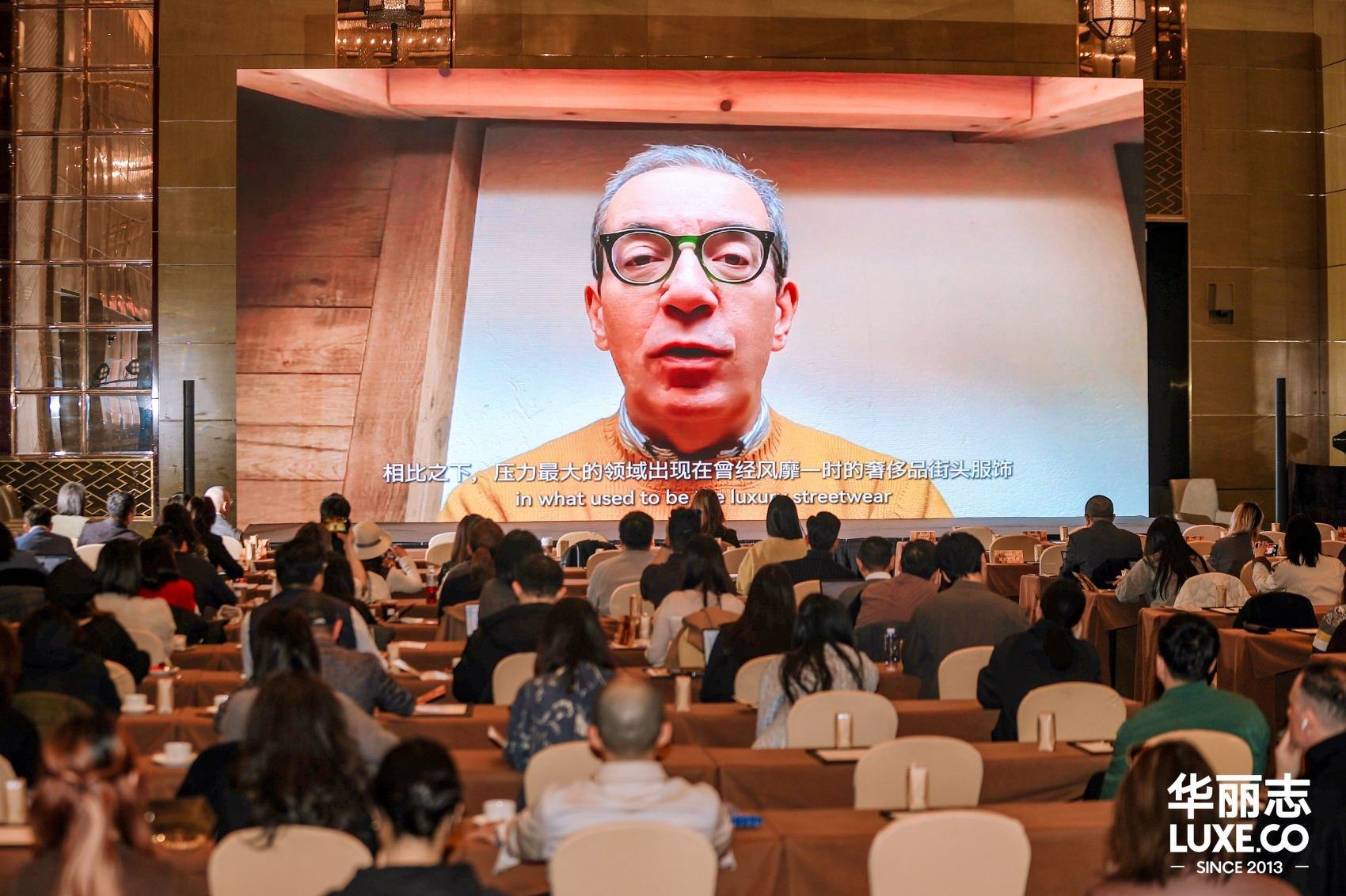
Below are highlights from this connection:
China's luxury market shows initial signs of recovery, with high-net-worth and younger customer groups diverging
Luxe.CO: What were the most significant changes in China's luxury market in 2025? How did these changes affect the global market? Additionally, what are your expectations for China's luxury market in 2026?
Luca Solca: Looking at luxury demand in China in 2025, I observed that the market has begun to show signs of recovery, especially in the second half.
This recovery shows clear structural differences: high-net-worth customers are the most positive group. I think this is mainly due to the rebound in China's stock market and multiple indicators suggesting the real estate market may be nearing a bottom.
In contrast, demand from younger consumer groups remains weak. Affected by real estate market volatility, this group's willingness to save has increased; at the same time, the economic slowdown has weakened job opportunities, career prospects, and earnings expectations for those entering the workforce. Today, these consumers are on the defensive and may be the group with the weakest spending power. They are turning to less costly ways to enjoy life.
Although foot traffic before the Spring Festival showed signs of recovery, we believe the current recovery remains fragile.
According to our field research in 10 shopping malls in China, foot traffic before the Spring Festival increased by nearly 50% compared to the same period last year. This is undoubtedly an encouraging figure, supporting our preliminary hypothesis: China's luxury demand is expected to grow at an annual rate of 4% to 5%. This will serve as our base case. Of course, the above forecast does not yet take into account any major adverse effects that may arise from the latest round of conflict in the Gulf region that broke out recently.
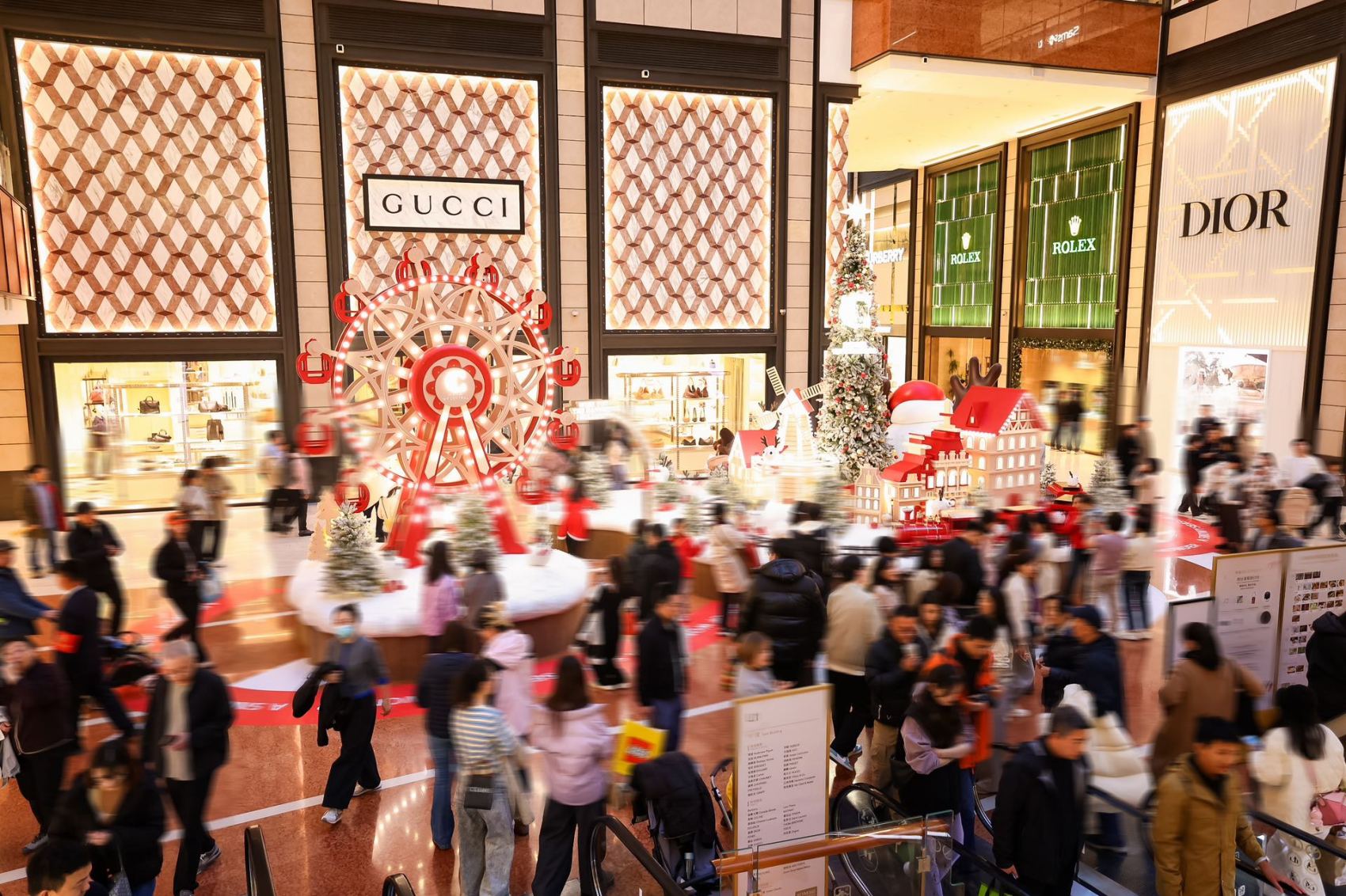
Luxury streetwear under the most pressure; affordable/entry-level luxury benefits from trade-down trend
Luxe.CO: Looking at different price ranges and product categories, which segments do you think face the biggest challenges, and which categories have the greatest growth potential?
Luca Solca: Chinese consumer behavior shows clear differentiation across price ranges. On the one hand, similar to global trends, the high-end market remains strong. On the other hand, mid-priced luxury has been hit hard, because aspirational consumers and the middle class are showing a clear tendency to "trade down."
In this context, affordable/entry-level luxury has performed relatively well. We see some American brands in the upper range of affordable luxury, such as Polo Ralph Lauren and Coach, growing well by benefiting from the trade-down trend.
In contrast, the area under the most pressure is luxury streetwear, which was once all the rage. Take sneakers and T-shirts as examples; these categories, mainly targeting aspirational middle-class young consumers, have suffered the most. I first think of Gucci, Balenciaga, and McQueen; as consumers move away from expensive luxury streetwear, these brands have been most significantly affected.
In fact, these consumers have shifted to more cost-effective choices, such as Nike, or domestic brands that are upgrading, such as Anta and Li-Ning; in other categories, they have also turned to brands like Arc'teryx. I believe price has become the most core factor driving changes in Chinese consumer behavior.
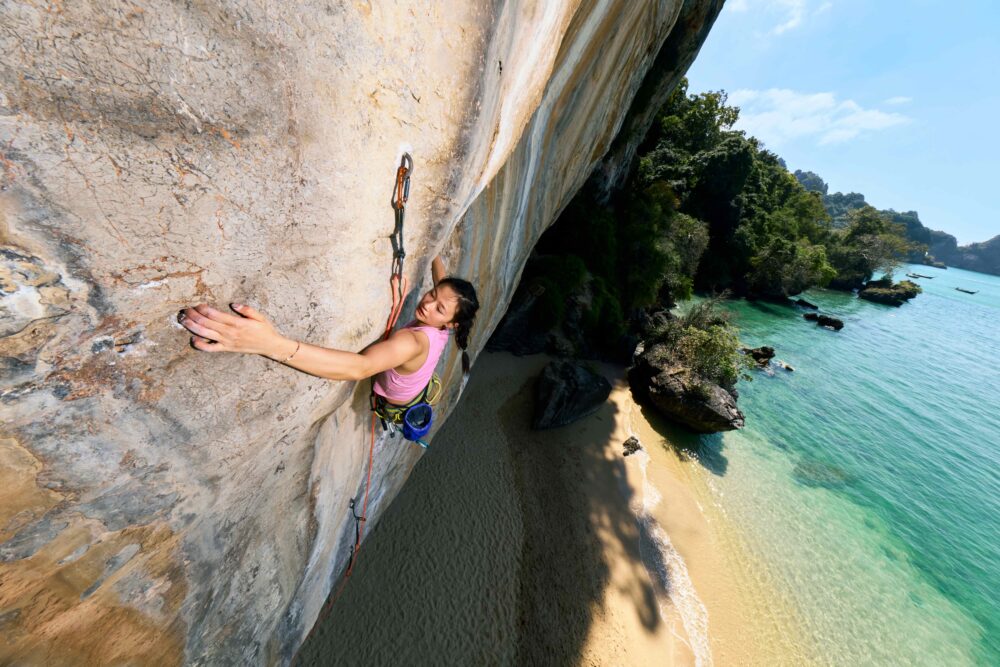
By category, consumers have shown strong interest in all products related to outdoor apparel. Chinese consumers are enthusiastic about outdoor sports and outdoor lifestyles. Therefore, whether in the high-end market or outdoor products across different price bands, performance has been very strong.
Take Moncler as an example; the brand has received tremendous market support. First, due to the buzz generated by its "Genius" event held in Shanghai at the end of 2024; second, even though its recent marketing communication focus—the advertising campaign featuring Al Pacino and Robert De Niro—mainly targets American consumers, it has helped the brand maintain excellent performance growth among Chinese consumers.
I would also like to add that Chinese consumers' enthusiasm for jewelry is unusual but not surprising. We usually observe that when gold prices rise, Chinese consumers' interest in jewelry surges. This trend has greatly benefited local Chinese jewelry brands.
In contrast, Western jewelry brands offering products with lower gold content may have been hit by this wave led by Chinese consumers. But I do not think this means the end of Western jewelry brands in the Chinese market. In fact, we see consumers buying both types of products for different purposes and usage scenarios.
For luxury brands to succeed in China, they must be deep, relevant, and innovative
Luxe.CO: In the long run, what key strategies and investments should luxury brands adopt to succeed in the Chinese market?
Luca Solca: I believe that for luxury brands to succeed in China, they must have flawless execution. This is no different from past requirements—you must always maintain top standards.
Because Chinese consumers have purchased in huge volumes in recent years, they have rapidly moved along the learning curve and become extremely discerning and mature. To a large extent, I think it is difficult to summarize "Chinese consumers" with a single label, because this group is highly fragmented. There are high-end customers who entered the market early and fit my description above (sophisticated and mature); there are also emerging groups who have only recently entered the market and have completely different tastes and needs.
For luxury brands, identifying these differences is crucial. Brands must learn to interpret their brand in a way that is both faithful to their own DNA and deeply aligned with the characteristics and sensitivities of Chinese consumers.

Innovation must be at the core of strategy. We observe that benchmark brands like Louis Vuitton are treating China as the preferred market for testing and experimenting with new ways to attract consumers. For example, a few months ago, Louis Vuitton opened a "Louis" store resembling a giant ship at HKRI Taikoo Hui in Shanghai. The store not only attracted a large amount of local foot traffic but also generated extremely high social media heat across China, giving the brand a great boost.
I think the most successful aspect of this attempt is: it is not only novel in form and visually eye-catching, but more importantly, it is deeply and concretely connected to Louis Vuitton's brand soul and DNA rooted in "travel." The cruise ship is exactly the scene where Louis Vuitton trunks were first born, and where consumers first used them.
The current market environment requires brands to be: deep, relevant, and innovative. Only by having these elements at the same time and presenting them to consumers in a highly attractive way can brands secure a place in an increasingly competitive market. Today, growth in the Chinese market has slowed significantly; it is no longer the era of a few years ago when "a rising tide lifts all boats" and consumers embraced luxury spending.
First-generation leaders approaching retirement age; family succession is both an advantage and a disadvantage
Luxe.CO: Recently, several French and Italian luxury family businesses are gradually bringing in a new generation of successors. What challenges will they face?
Luca Solca: The luxury industry in its modern sense is actually a relatively young industry. Although these luxury companies all claim deep brand heritage. But from the perspective of business and cultural influence, their true rise and prominent status began only in the late 1980s.
It can be said that these companies completed almost all (major) actions in the past 30 to 40 years. In many companies, the first generation of leaders is still in charge. Think of Bernard Arnault at LVMH; think of Remo Ruffini at Moncler, who brought the brand back from the brink of being forgotten to the top; Johann Rupert at Richemont, who successfully transformed the family business from tobacco into a luxury-focused group. For these companies, after 30 or 40 years at the helm, they all face the issue of successor management. In a sense, these founders are all approaching retirement age.
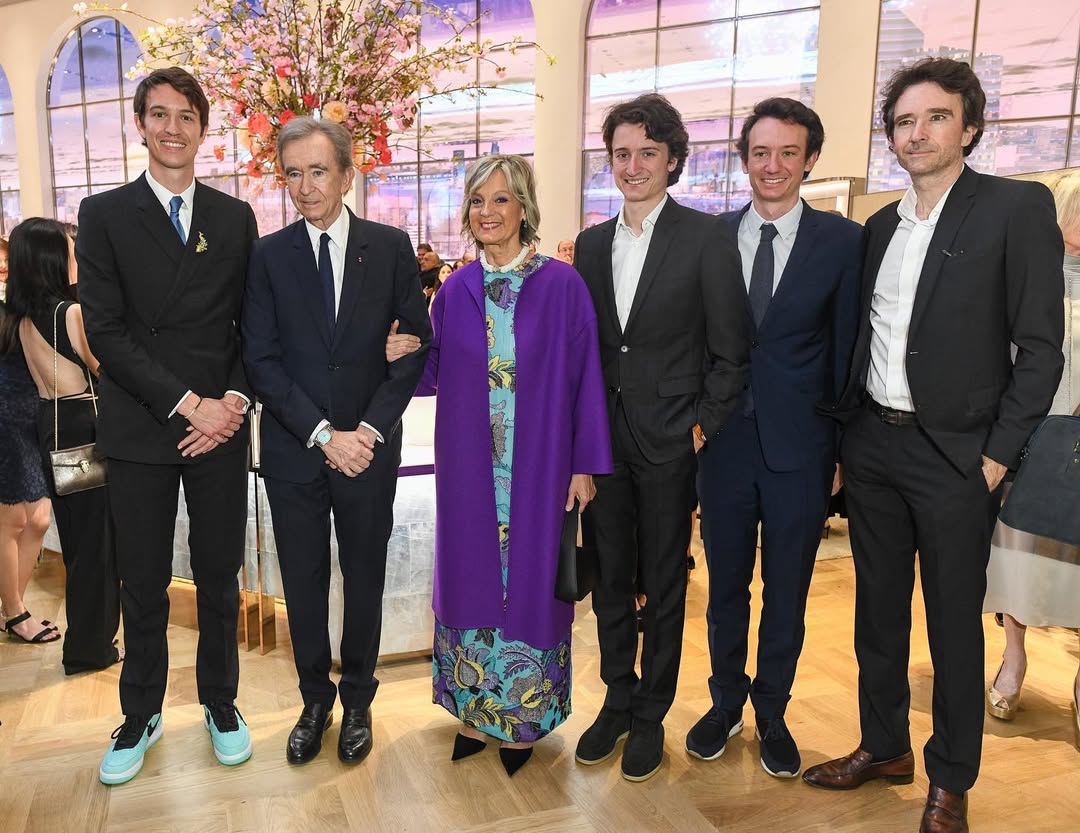
Take LVMH as an example; you can see Mr. Arnault's five children working hard for their respective positions. They all hold important roles in the company and must demonstrate their value and ability as potential successors.
In contrast, I think other companies are moving faster. At Richemont, Johann Rupert has made it clear that his children will only serve as shareholders. Not long ago, he appointed a "real" CEO for the first time—Nicolas Bos. He is a highly respected CEO with more than 25 years of successful experience at Van Cleef & Arpels. I think he is capable of leading the company forward for at least 10 to 15 years.

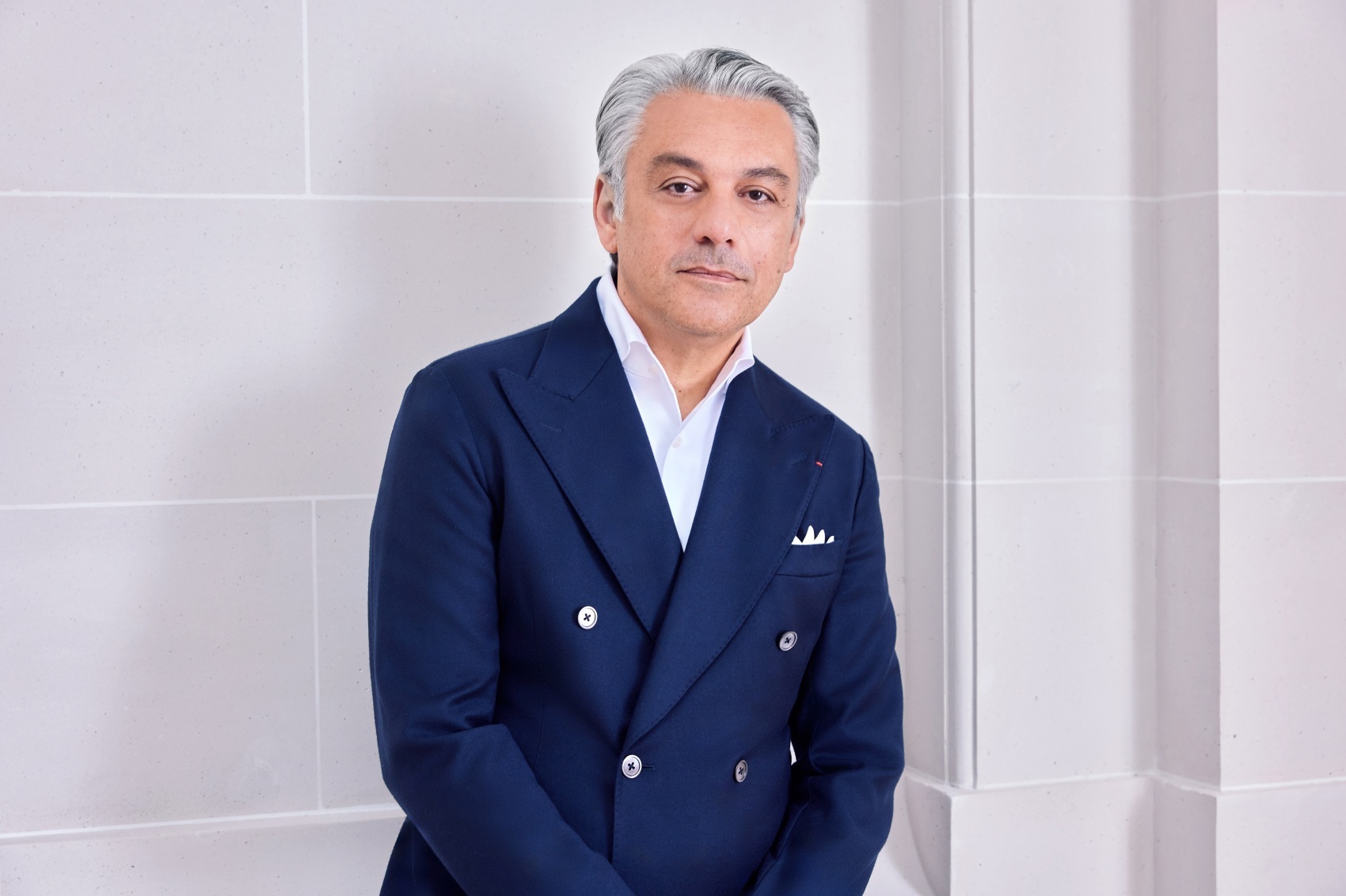
In other cases, we have also seen various attempts. For example, Kering appointed Luca de Meo as CEO, "transplanted" from the completely different automotive industry into luxury. In contrast, the luxury industry is younger, and its organizational structure is not as tightly knit as that of the automotive industry.
In the past, we have seen successful cases of bringing in executive talent from other industries, especially from the fast-moving consumer goods (FMCG) sector. Examples I think of include executives brought into LVMH from P&G, such as Antonio Belloni, who served as Bernard Arnault's deputy for 25 years; or Pietro Beccari, who joined LVMH from Henkel and successively led FENDI, Dior, and Louis Vuitton.
Limiting succession to family members is both an advantage and a disadvantage. Obviously, family members will focus wholeheartedly on the long-term success of the business and therefore make long-term decisions. But sometimes you may not necessarily feel that business talent is hereditary. Therefore, as a drawback, if the company ultimately falls into the wrong hands—whether family members or not—that is not a recipe for success.
About the 「Luxe.CO Fashion Innovation and Investment Forum」
Twelve years ago, Luxe.CO was the first to recognize the importance of high-quality information, communication, and research for the development of mid-to-high-end brands. Starting from providing professional and comprehensive financial and business information, we have accumulated rich exclusive data and case assets, as well as exclusive insights into brands and segmented industries derived from them. We have built a complete system that can continuously and stably produce high-quality content and research results, making Luxe.CO the most "certain" link in the noisy and volatile fashion industry, providing decision-makers with important fulcrums to leverage the future, and naturally gathering China's highest-quality high-end readers around us.
In the process of iteration and advancement, we have been fortunate to have in-depth exchanges and cooperation with more and more outstanding entrepreneurs, investors, and business managers, becoming their trusted companions. When this high-quality accumulation and exchange reached a critical point, the 「Luxe.CO Fashion Innovation and Investment Forum」 arrived as scheduled.
Since 2015, Luxe.CO has continuously held eight high-level industry forums and over a hundred online and offline themed events, building a valuable stage for high-density, high-quality face-to-face communication for elites in the "fashion" field.
|Image source: Luxe.CO, official websites of various luxury companies, official brand press releases
|Editor: Maier


