On October 29, Crocs released quarterly figures that far exceeded market expectations and raised its full-year guidance, sending the company's share price up more than 25% that day to $150.26, a two-year high.
Notably, as of the close of the New York stock market on November 9, 2026, Crocs shares closed at $160.23, up 2196% from the closing price of $6.98 on June 1, 2017, the day Andrew Rees formally became CEO. Its current market capitalization is approximately $7 billion.
Against the backdrop of a global non-athletic footwear market that has long been under pressure, Crocs' performance stands out.
In fact, Crocs is one of the most successful revival stories in fashion in recent years. From exploding in popularity in the early 2000s with its "clogs" to fading in the mid-2010s, the brand's revenue hovered around $1 billion and it posted consecutive years of losses. The turning point came in 2017, after Andrew Rees took full control of the company's management: brand revenue climbed from $1 billion all the way to surpassing the $4 billion mark in 2024, and even with a slight pullback in 2025, it remains above $4 billion.
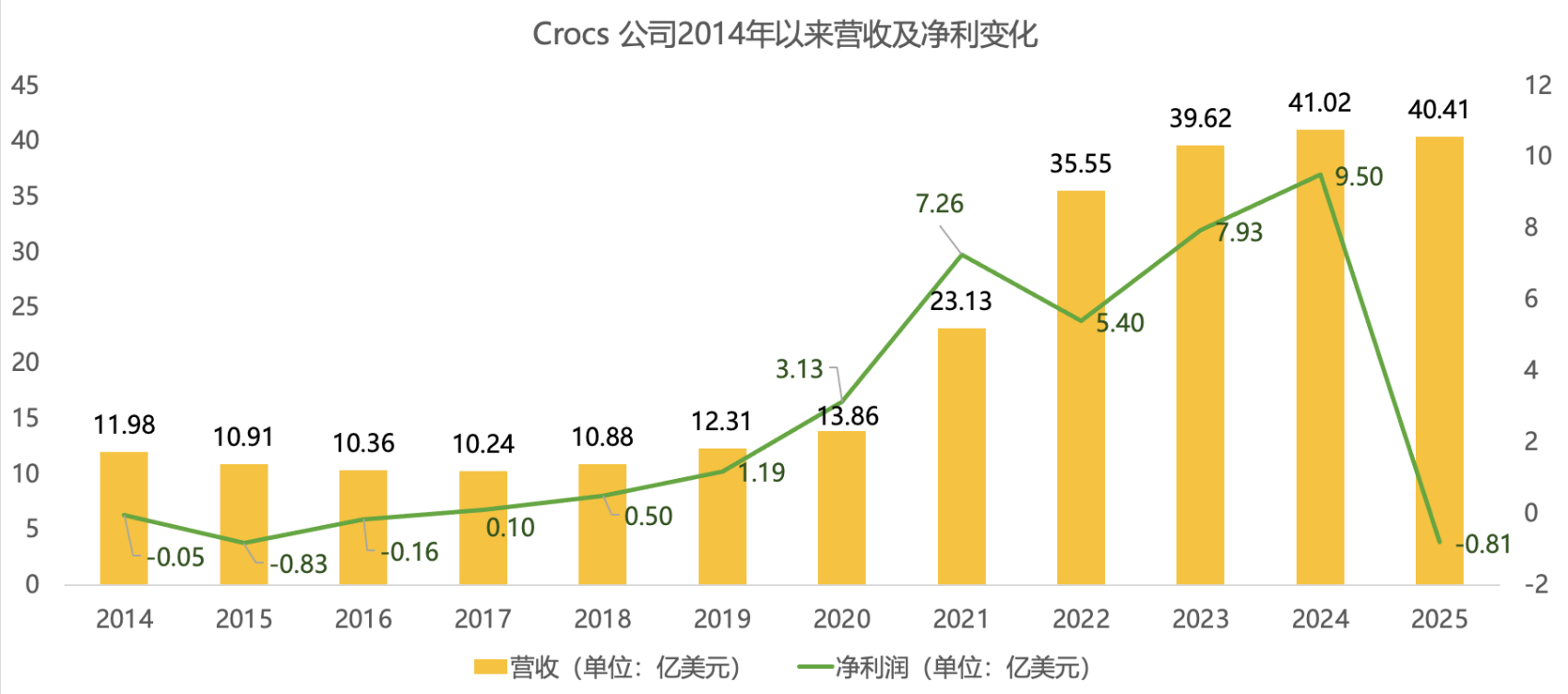
(*In 2025, a large impairment of more than $700 million on HEYDUDE led to a loss)
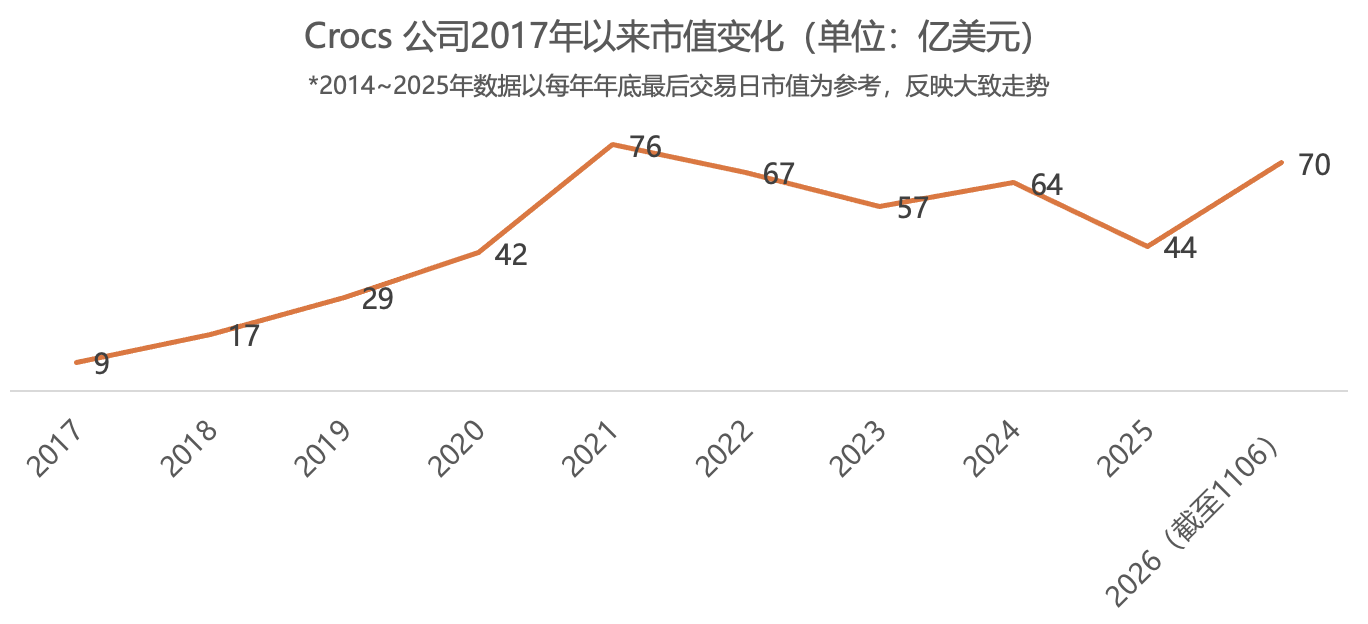
LuxeCO analyzes in this article how Andrew Rees (pictured below) spent nearly a decade leading this clog brand, once considered "past its prime," to a successful comeback. His personal trajectory, management style and strategic thinking offer plenty of useful inspiration for today's fashion industry, which faces numerous challenges.

"No fashion-industry flourishes, and none of the MBA jargon common at consulting firms"
Andrew Rees spent his childhood moving with his father among several Royal Air Force bases, and later settled with his family in Cumbria, England. His mother was a chemistry teacher and also ran a small shop selling knitting and craft supplies. Rees recalls that as the customers who knew how to knit grew older and young people stopped learning, the shop's customer base steadily shrank. That experience made him realize "what a business with a future looks like, and what a business in decline looks like."
After secondary school, Rees studied chemistry at Imperial College London. After graduating, he did not enter a field related to his major, instead working at Laura Ashley, Reebok and the management consulting firm L.E.K. Consulting. These experiences gave him brand, retail and footwear-industry expertise, and laid the foundation for his later move to Crocs.
Yet his chemistry background means Rees has always retained a scientist's mindset. He believes scientific training helps cultivate good business judgment — "at the heart of any science is a method for solving problems. When faced with a problem, you first form a hypothesis about the solution, then test that solution in different ways, and finally draw a conclusion and determine the best path forward."
Former Reebok boss Larry Gore describes him as "no nonsense, very smart." A 2024 profile in TIME also noted that "he speaks directly, with none of the flourishes of the fashion world and none of the MBA jargon common at consulting firms."
At the end of 2013, private equity giant Blackstone spent $200 million to acquire a 13% stake in Crocs. To revive the brand, Blackstone subsequently brought in L.E.K. Consulting to develop a turnaround strategy, and Rees was involved in that work. A few months later, management was so impressed by Rees' abilities that they asked him to serve as brand president. In June 2017, Rees was promoted to chief executive officer.
Note: On the sixth anniversary of its investment in Crocs, Blackstone sold off its entire stake at the end of 2019, when Crocs' market capitalization had climbed to $2.9 billion, roughly 80% higher than when Blackstone invested.
The core logic behind Crocs' transformation: concentrate energy on areas with a high probability of success
——Key judgment: refocus on the clogs
After becoming Crocs president in May 2014, Rees quickly set about driving reform. In July of the same year, he led Crocs in clarifying its reform priorities. Foremost among them was focusing on the brand's core molded footwear business.
Previously, in pursuit of new growth, Crocs had aggressively expanded its footwear range to include wedges, golf shoes, dress shoes and more, leading to problems such as too many SKUs, a complex supply chain and inventory buildup.
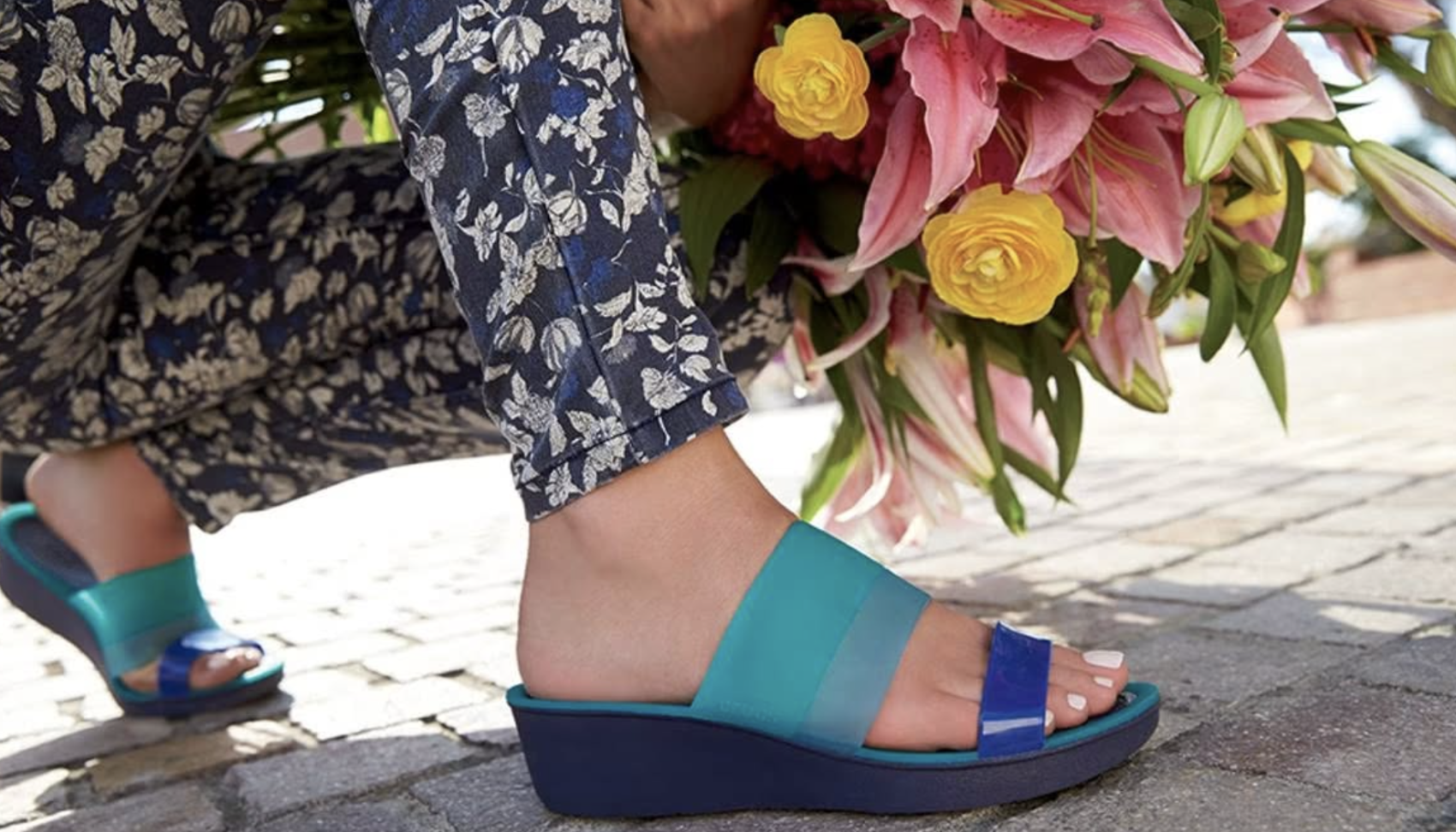
Above: Crocs wedge styles around 2015
Rees believed this direction was wrong, so the first step in his reform after taking office was to shrink the scattered product line and refocus on the brand's classic clogs. Behind this judgment and decision was Rees' comprehensive consideration of product capability, profitability and brand recognition.
"We refocused on the clog and put almost all our emphasis on molded products, because that is our DNA, that is what we are best at, and it is what other companies are not good at — it is precisely where we can win," Rees explained of the product strategy at the time in a 2022 interview. "We redirected product, graphic and style innovation back into the classic clog, which is the heart of the brand and also our most profitable category."
From 2015 to 2017, Rees and then-CEO Gregg Ribatt jointly led the company in continuing reforms such as streamlining the product line. By early 2017, the number of SKUs Crocs brought to market each year had fallen from more than 2,000 in 2014 to about 1,000.
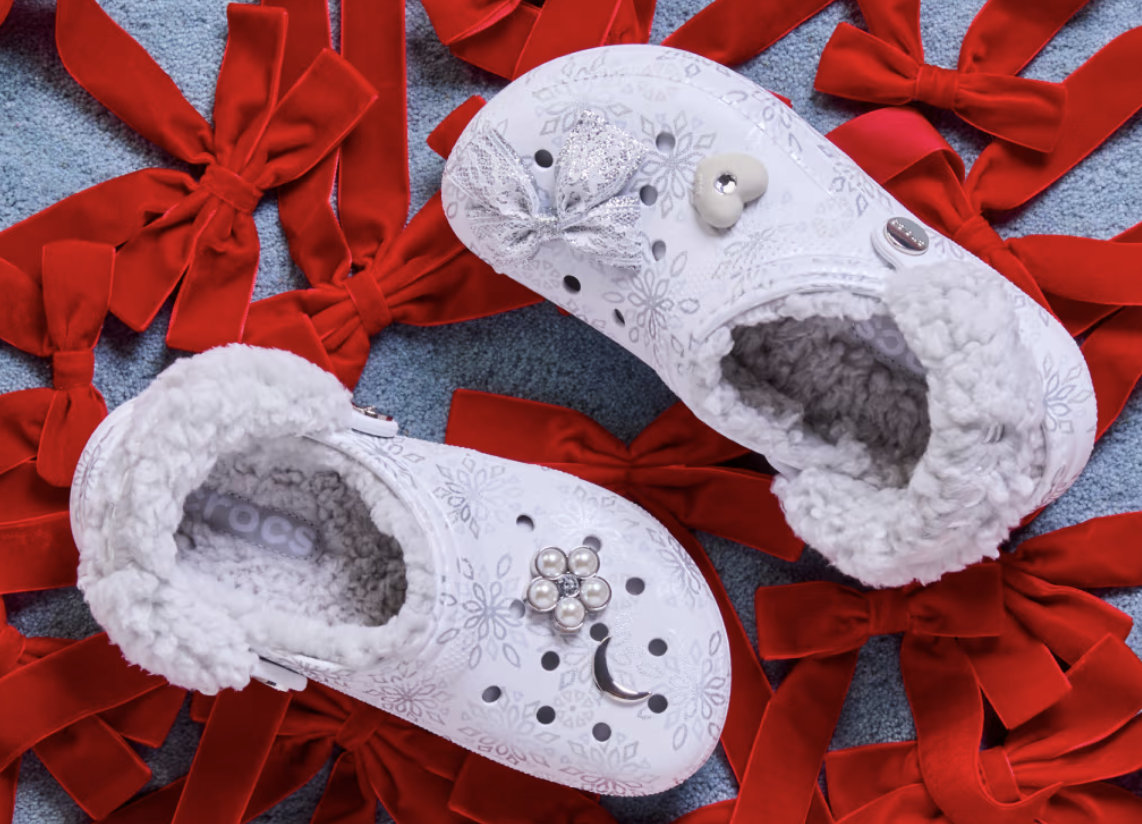
Rees also realized that at the time Crocs' clogs did not lack awareness; the real problem was how to make more people willing to wear them. He pointed out: "Everyone knows who Crocs is and what it stands for. Globally, people immediately associate the brand with the clog product and silhouette. Many people know us, but feel it isn't for them."
——You don't need everyone to like it, but you need more people willing to wear it
Having defined the core product, Rees' goal was to change perceptions of the brand so as to "connect the clog to more people's lives and get them to wear it on more occasions."
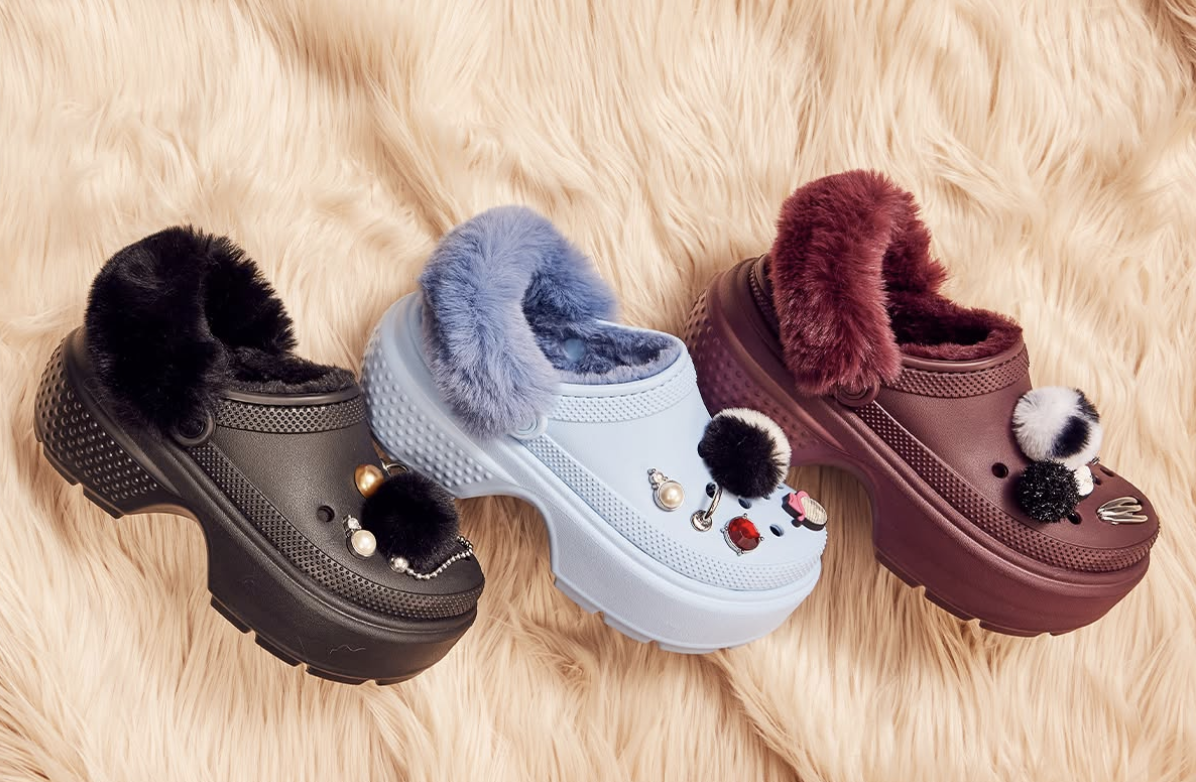
Collaborations became an important way to achieve this goal. In 2016, Christopher Kane brought a Crocs collaboration to London Fashion Week; the following year, Balenciaga reinterpreted the clog with an exaggerated platform design. As a result, this aesthetically controversial product entered the high-fashion conversation. Crocs chief marketing officer Heidi Cooley revealed that these two collaborations allowed the brand to "start a new conversation and get consumers to see us in a new light."
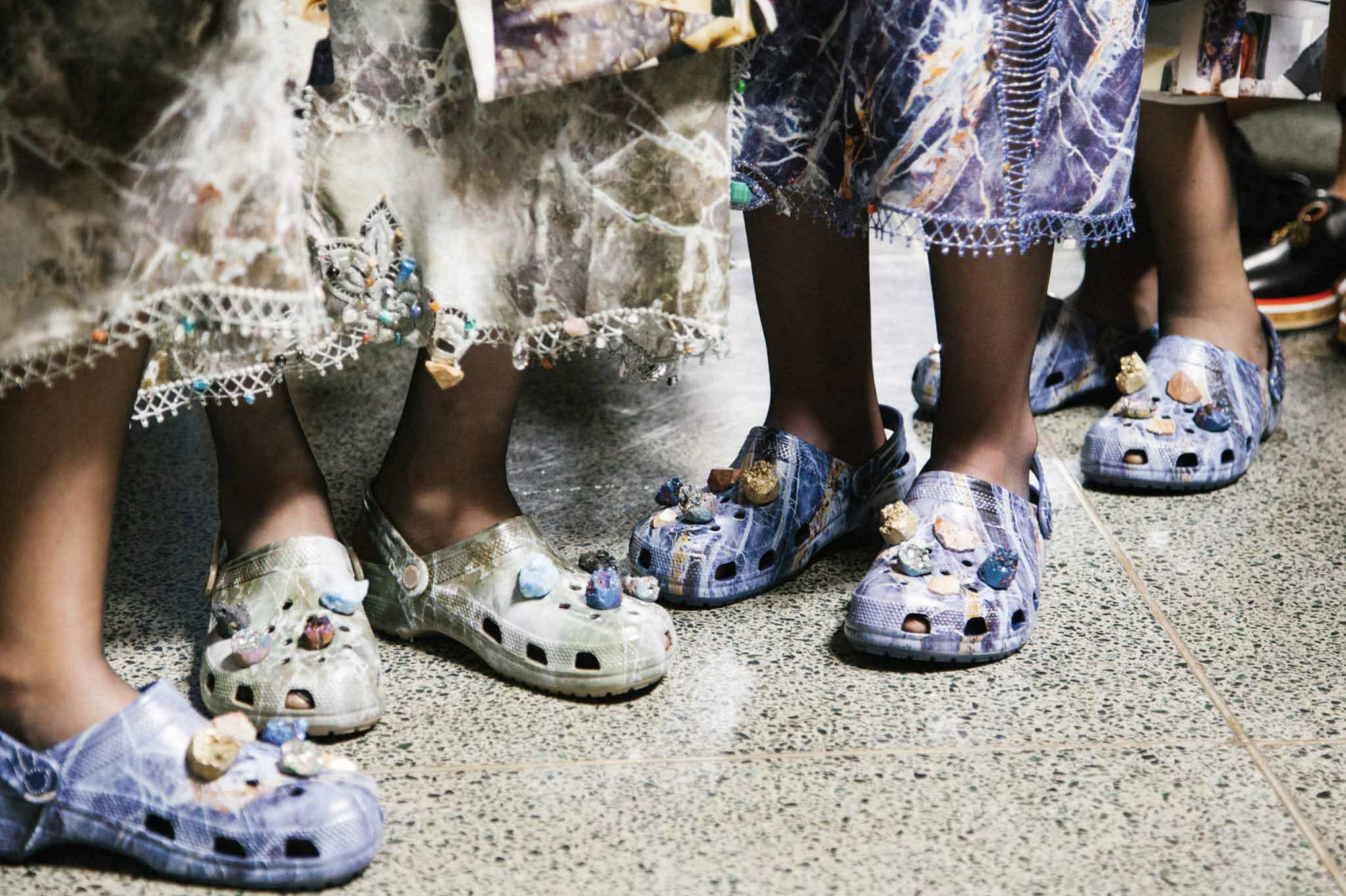
Above: Crocs x Christopher Kane
Since then, Crocs has launched numerous high-profile collaborations around the clog: from multiple collaborations with rapper Post Malone starting in 2018, to stars such as Justin Bieber and designers such as Simone Rocha, and even extending into other fields such as KFC and Lego. The partners keep changing, but the clog's highly recognizable shape is retained.
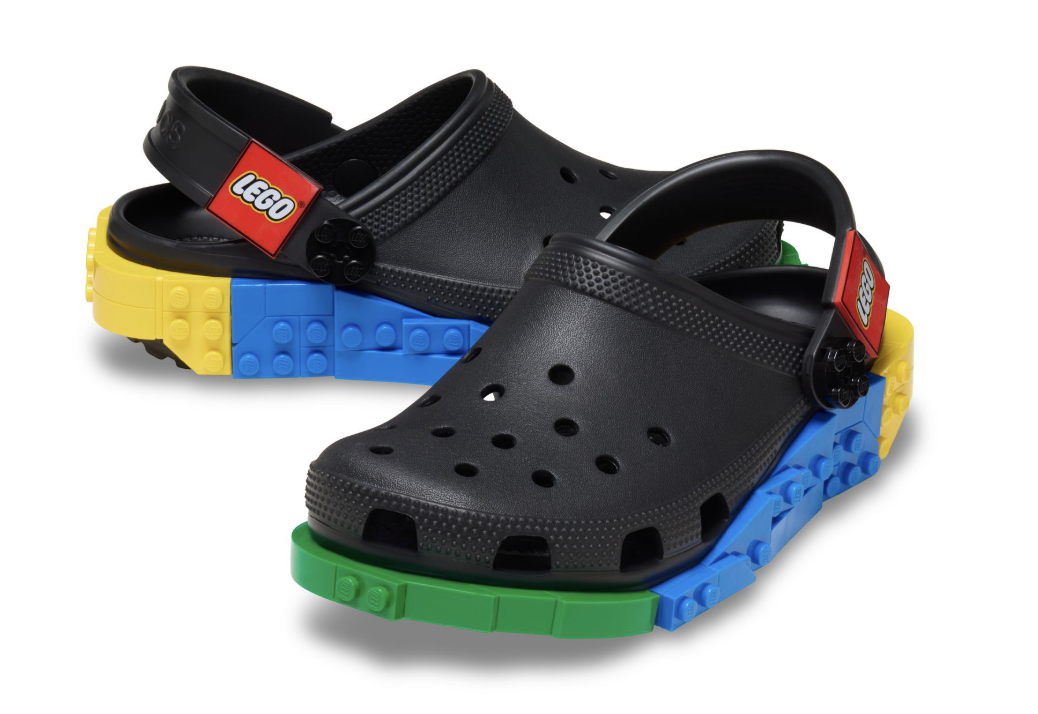
Above: Crocs x Lego
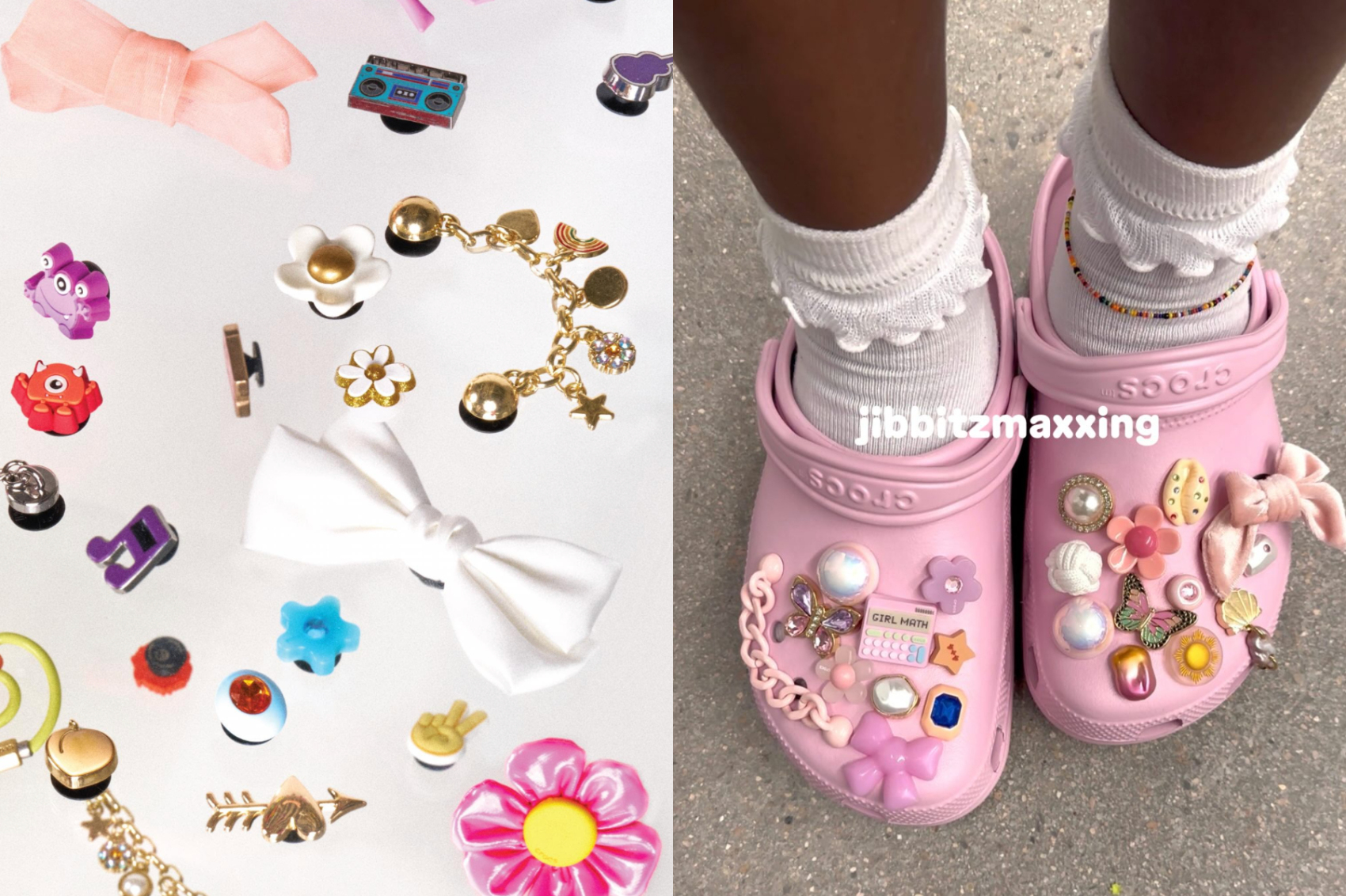
At the same time, working with the clog's hole design, Crocs has vigorously promoted personalization through "Jibbitz" charms. According to the brand, by 2024 Jibbitz revenue reached $270 million, accounting for more than 8% of total brand revenue.
From collaborations to personalization, Crocs is not trying to avoid the "ugly shoe" controversy. In Rees' view, having a group of people who dislike the brand can actually create brand tension, which is valuable.
He said: "Our goal is not to make people who hate the brand love it, but to use that external tension, because it creates opportunity, generates PR, attracts media attention and sparks interest. It creates a lot of things that, if you had to buy them, would cost you a fortune."
Rees' logic of making trade-offs and focusing on priorities also ran through Crocs' channel adjustments during the same period: because physical stores are expensive to maintain, the store network was sharply reduced and the focus shifted to e-commerce, while retaining the low-cost, highly profitable wholesale outlet channel.
As Rees put it, the aim is to "get the company to concentrate its energy on a few clear, important directions with a high probability of success."
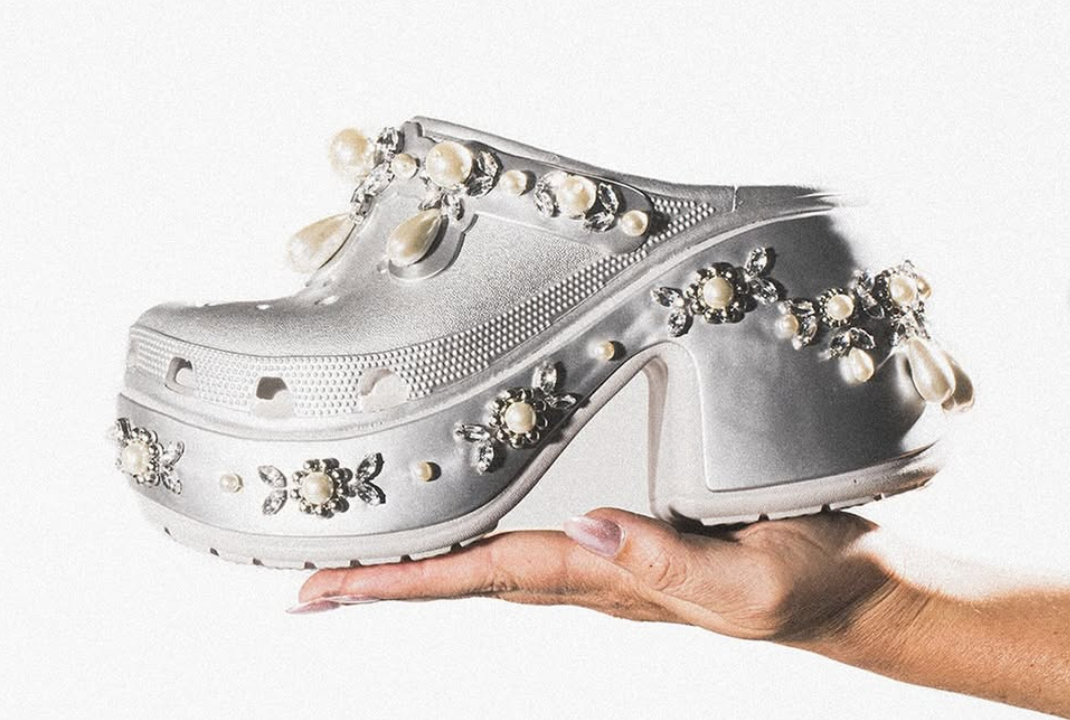 Above: Crocs x Simone Rocha
The organizational change underpinning the transformation: building consensus and driving long-term growth
In a 2023 interview with Forbes, Rees summed up his foremost lesson from running Crocs in one sentence: "You have to have a strategic focus that is simple, clear and compelling enough."
But he admitted that the truly difficult part was getting the team to accept and execute a strategy that was the exact opposite of the past. Another obstacle came from the executive team itself: it lacked consumer-goods and footwear-industry experience overall.
"We had to reshape the team so that everyone bought into this strategy, and then fix the parts that were broken one by one," Rees recalled.
The changes began right after he became president. In 2014, Crocs brought in Michelle Poole, formerly global vice president of product at Sperry, creating for her a new role of senior vice president of global merchandising, reporting directly to Rees. Over the following decade, her responsibilities gradually expanded to product, marketing and overall brand operations, until she was promoted to brand president and retired in 2024.
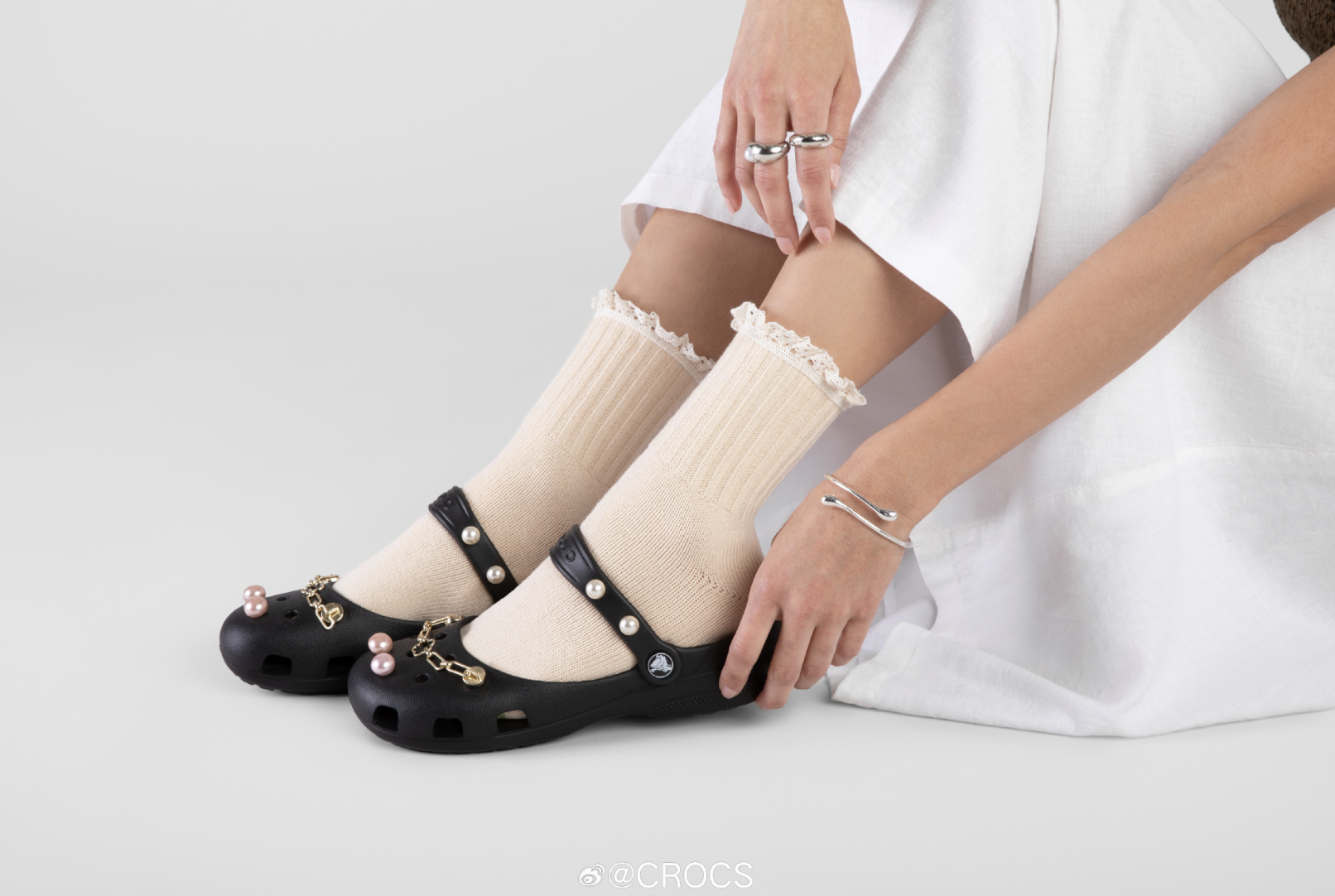
Above: Crocs' recently popular ballet flats
Rees has his own set of rules for hiring and team management:
Rule one: "Hire great people and keep them motivated";
Rule two: give a clear strategy so the team understands "where we stand and where the line is."
He stressed: "You can never communicate too much, especially at the strategic level."
But Rees knows that buy-in to a strategy is not built overnight: the new direction was too far from the past and needed time to be understood and accepted. "People have to see success first before they say: 'That makes sense, I'm willing to go down this path.'" Hence his third principle: "focus on consistent, reliable execution."
At the same time, he constantly reminds himself not to be fixated on proving his own judgment right. "What matters is reaching consensus and moving forward together. It's important to give up the right to argue over who's right, so you can create an atmosphere of 'we got here together,' where everyone genuinely feels that we really are working hand in hand."
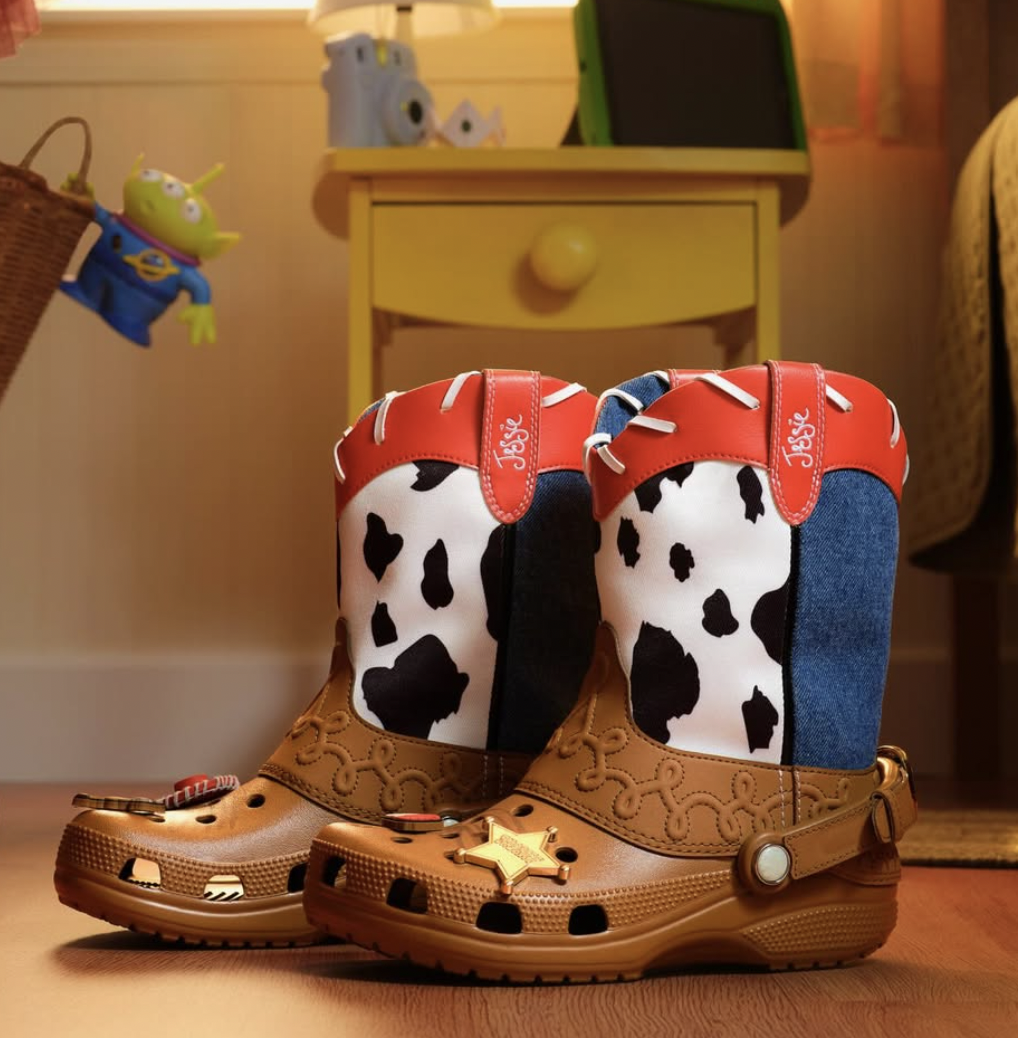
Above: Crocs x Toy Story, the latest 2026 collaboration
From defining the strategy and building consensus to driving execution, Rees brought Crocs back on track step by step. As the business stabilized, his demands on the team shifted from cleanup to longer-term growth.
As early as 2019, he noted: "We have done a lot of work in simplifying and fixing the business, and we have proven that we can grow the brand... What matters now is changing our culture and mindset, from defending the status quo to growth."
The pursuit of growth also extended to a multi-brand footprint: in 2022, Crocs acquired the Italian casual footwear brand HEYDUDE. Founded in 2008, the brand focuses on lightweight, comfortable casual footwear that is easy to pair for everyday wear, putting it in a similar lane to Crocs.
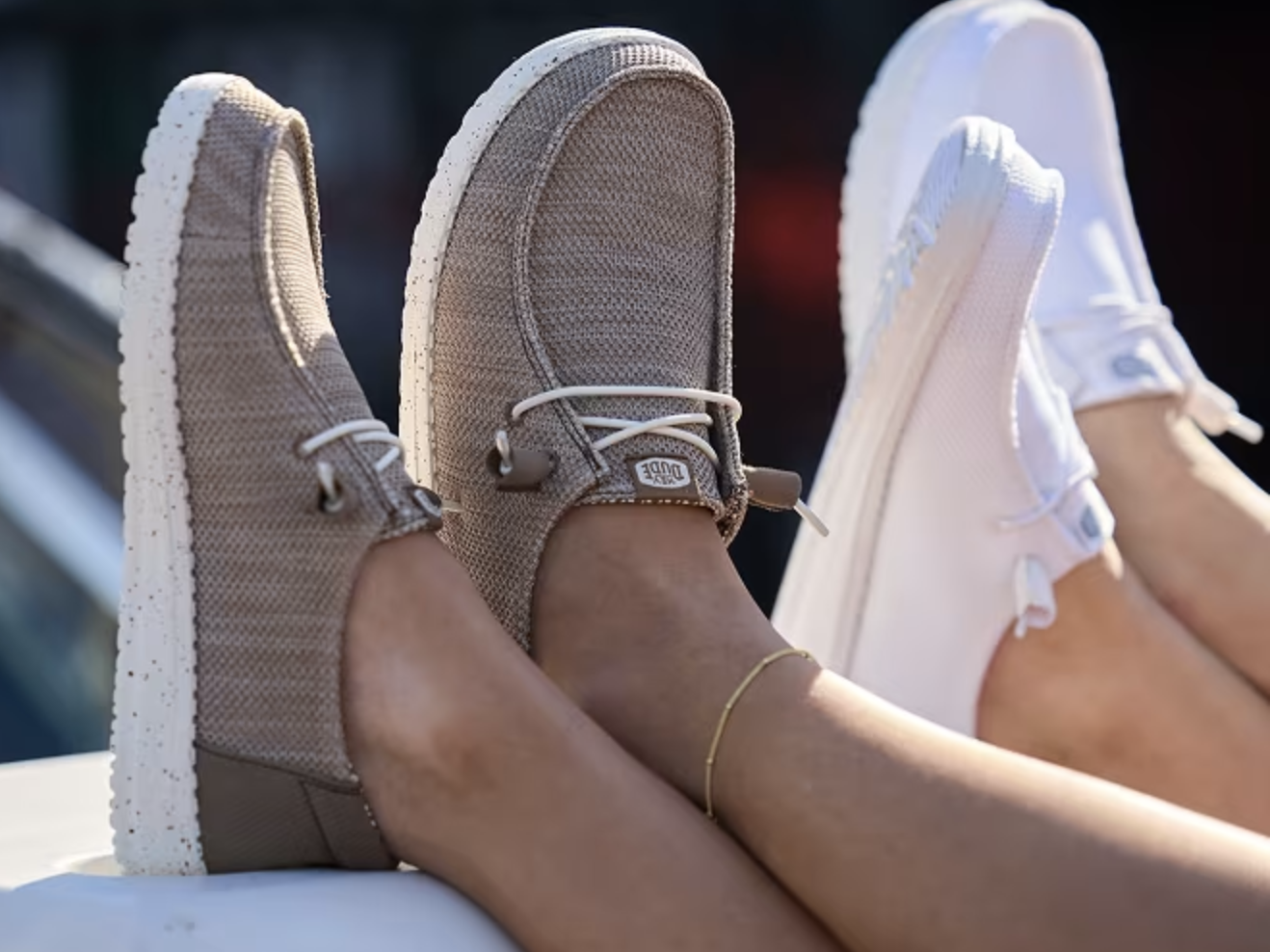
After the acquisition, HEYDUDE initially struggled, with sales sluggish for a time due to issues such as inventory buildup. In 2025, Crocs recorded a large impairment of more than $700 million on the brand, resulting in a group loss. However, after a series of strategic adjustments, the HEYDUDE brand finally returned to growth in the latest quarter of 2026.
From leading one brand out of a trough to driving sustained growth at two brands, Rees' task has clearly been upgraded. On the earnings call after the latest quarterly report, Rees stressed: "We are confident in the long-term growth prospects of both brands, and we will continue to execute our core strategy and drive diversified growth."
丨Sources: Crocs official website & financial reports & earnings calls; Fashion Network, CNBC, Footwear News, Business Insider, Forbes India, The Times
丨Image sources: Crocs official social media, official website
丨Editor: LuxeCO