
In the high-end fragrance industry, the rarity of raw materials has always been an important source of product differentiation. In recent years, some brands have gone further by closely linking raw materials to the natural environment, cultivation traditions and production methods of specific regions, endowing an expensive bottle of perfume with unique value that is even harder to replicate.
French luxury fragrance brand Henry Jacques is one example. In Provence, the brand has built its own plantation to cultivate Rose de Mai, andturns harvests from different years into limited-edition perfume creations. The first harvest in 2023 yielded more than 4 tons of roses, and since then the brand has launched the Collection de l'Atelier limited series for three consecutive years around rose absolutes from different vintages. Because of differences in climate and harvest, each year's absolute presents different olfactory characteristics, also bringing perfumers new creative directions...
This approach is reminiscent of the concepts of "terroir" and "millesime" in the fine wine industry: the flavor of a bottle of wine depends not only on the grape variety and winemaking techniques, but is also influenced by soil, climate, topography and cultivation methods. For perfumes that rely heavily on natural raw materials, similar logic applies.
From Omani frankincense to Provençal roses, more and more luxury fragrance brands are extending competition beyond the perfume bottle, establishing close cooperative relationships with raw material origins, supply chain managers and local ecosystems.

From Raw Materials to Terroir: How Do Brands Build Regional Identity?
Compared with simply emphasizing the rarity of a certain raw material, combining it with the natural environment, cultural traditions and production methods of a specific region can further endow a brand with a clearer identity and richer intangible assets.
Omani luxury fragrance brand Amouage, French luxury fragrance brand Henry Jacques, UAE luxury fragrance brand Ajmal Perfumes and Argentine vegan fragrance brand Fueguia 1833 each demonstrate different ways of connecting with a region.
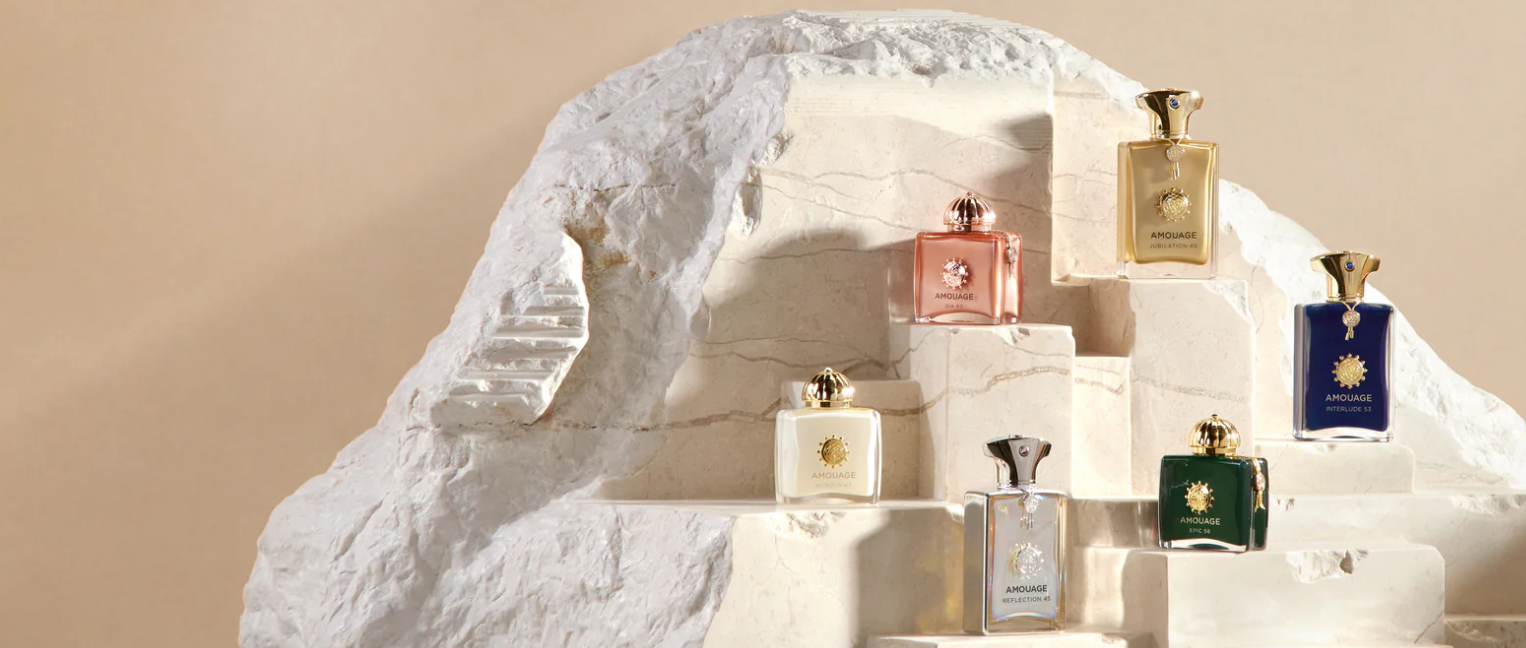
Amouage's brand identity is closely tied to Omani frankincense culture. Frankincense comes from the resin of the frankincense tree and has long occupied an important place in religious ceremonies, trade and daily life on the Arabian Peninsula, and is also an important part of traditional Omani culture. For Amouage, frankincense is not only a perfume raw material, but also an important symbol connecting the brand with Omani history and regional culture.
This relationship extends further to specific raw material origins. Wadi Dawkah, located in the Dhofar region of southern Oman, is part of the UNESCO World Heritage Site "Land of Frankincense." The brand incorporates the frankincense resources of this region and local traditional harvesting methods into its own raw material system, giving its regional cultural identity a more concrete grounding.
Also a Middle Eastern fragrance brand that has risen in recent years, Ajmal Perfumes' development trajectory shows how regional raw materials can become a brand's starting point and accelerate expansion across different markets and cultures.
The brand's founder, Haji Ajmal Ali, came from the Hojai region of Assam, India. In 1951, he started out in the local agarwood trade and fragrance blending, gradually supplying spices to Middle Eastern markets. In the 1970s, as business expanded in the Gulf market, Ajmal opened its first store in Dubai in 1976 and established a manufacturing facility there in the 1980s. Today, the brand is headquartered in Dubai and is jointly run by second- and third-generation family members.
From the perspective of its development path, Assam's agarwood resources formed Ajmal's raw material foundation and brand origin, while the UAE became an important base for expanding into the Gulf market, building its manufacturing system and growing its international business.

Henry Jacques has developed its own May rose plantation in Provence into a creative foundation, using methods such as horse plowing, replacing pesticides with ladybugs and manual harvesting to preserve the characteristics of the land and the flowers as much as possible.
In 2021, the brand began planting May roses on 1.5 hectares of local land, and in 2023 it welcomed its first harvest. Since then, the climate and harvests of different years have brought different raw material expressions, which perfumers then translate into products. For example, the Collection de l'Atelier annual limited series launched in 2025 centers on the rose absolute from that year's harvest, which the official description says carries "a subtle chestnut-honey-like scent." In 2026, the brand selected three previous creations and reinterpreted them in the form of Les Brumes fine mist fragrances. This shows that regional raw materials not only constitute the product story but also provide a foundation for the brand's continued development of new products.

Fueguia 1833's approach is closer to natural ecological research. The botanical exploration of founder Julián Bedel began in Patagonia and later extended to other parts of the world in search of native plants with unique olfactory characteristics. The brand transforms natural resources and plant scents from different regions into perfume creation materials, presenting the different characteristics of these raw materials in small batches. To this end, the brand specially reserves small batches of absolutes for natural aging, waiting several years for the scent to undergo a unique transformation.
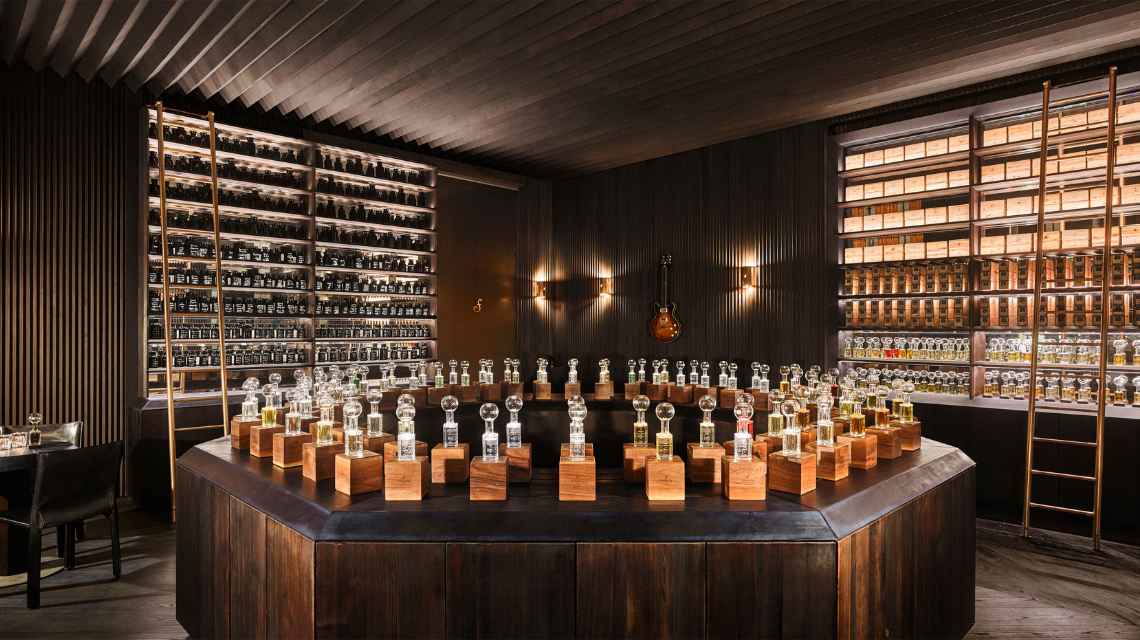
As a result, these brands no longer build recognition solely through scent profiles or packaging, but instead seek more specific natural sources: Amouage emphasizes national culture and iconic raw materials, Ajmal developed its brand origin from India's agarwood-producing region, Henry Jacques goes deep into the annual harvest of a single flower field, and Fueguia 1833 transforms a region's plant diversity into a continuous creative resource.
From Sourcing to Control: How Do Brands Manage Raw Material Supply Chains?
But the value of regional terroir does not automatically translate into product competitiveness. For brands, the real challenge lies in how to obtain stable, high-quality and distinctive raw materials and participate in their cultivation, harvesting and processing. This also explains why some high-end fragrance brands have begun to extend from traditional sourcing relationships to deeper supply chain partnerships.
For example, French salon fragrance brand MATIERE PREMIERE chose to establish its own plantation base in Grasse, France.
In 2016, brand founder and perfumer Aurélien Guichard established an Ecocert-certified organic plantation in his hometown of Grasse, covering more than 6 hectares, where more than 15,000 Centifolia rose plants are grown, along with tuberose, lavender and other plants.
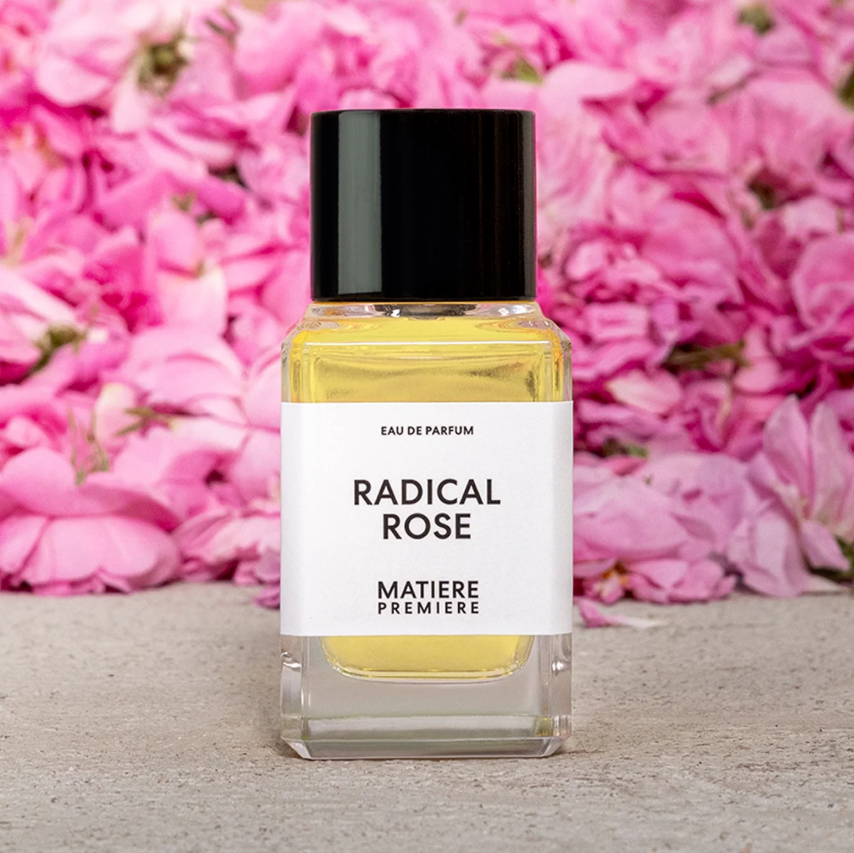
Take the brand's signature Radical Rose as an example: every May, roses are harvested intensively over 30 days. Flowers picked each morning are immediately sent to a nearby factory to be processed into rose absolute, becoming the product's core raw material. In this way, the brand has formed a creation method that starts from raw materials: first identify a natural raw material with a unique texture, then design the formula around it.
Ajmal Perfumes, by contrast, demonstrates a cross-regional vertically integrated model.
The brand maintains agarwood plantations and distillation facilities in Assam, India, while establishing a manufacturing base and R&D department in Dubai, UAE. According to factory information published by the brand in 2025, Dubai and Assam currently constitute its two major manufacturing centers: the former has automated production equipment and an in-house R&D team, while the latter continues the traditions of agarwood cultivation, harvesting and distillation. The brand also disclosed that its founder launched an agarwood reforestation program as early as 1979 and now owns multiple plantations with more than 10 million agarwood trees in total.
For large luxury brands, establishing long-term partnerships with growers is another, more scalable approach.
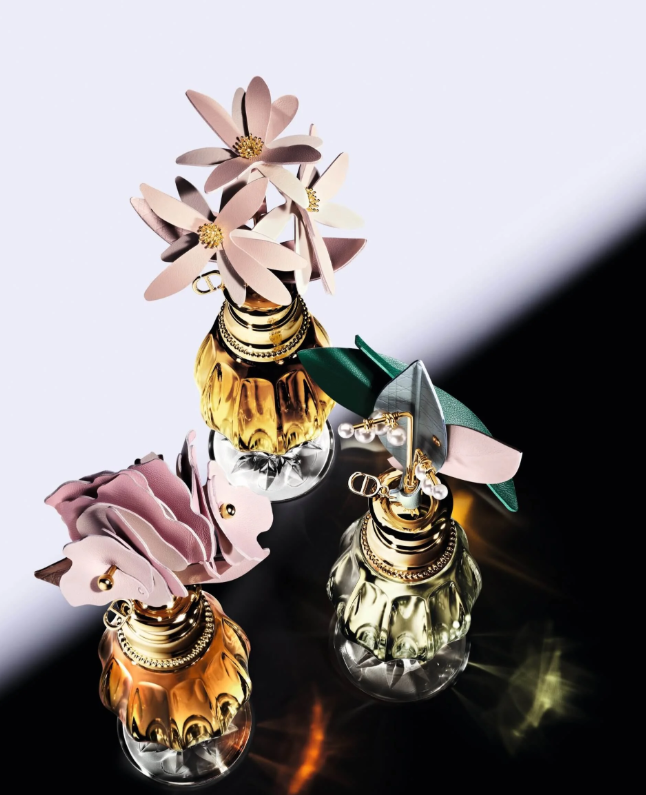
Dior builds long-term relationships with growers in different regions through a global network of owned and partner gardens. In Grasse, France, the brand has established partnerships of more than 15 years with 10 local growers, whose harvests of May rose and Jasmine Grandiflorum are dedicated to certain Dior perfumes.
The brand's latest Les Récoltes Majeures collection draws on lily of the valley, rose and jasmine harvested the previous year from its exclusive partner flower fields in the region—the three flowers Monsieur Dior loved most.
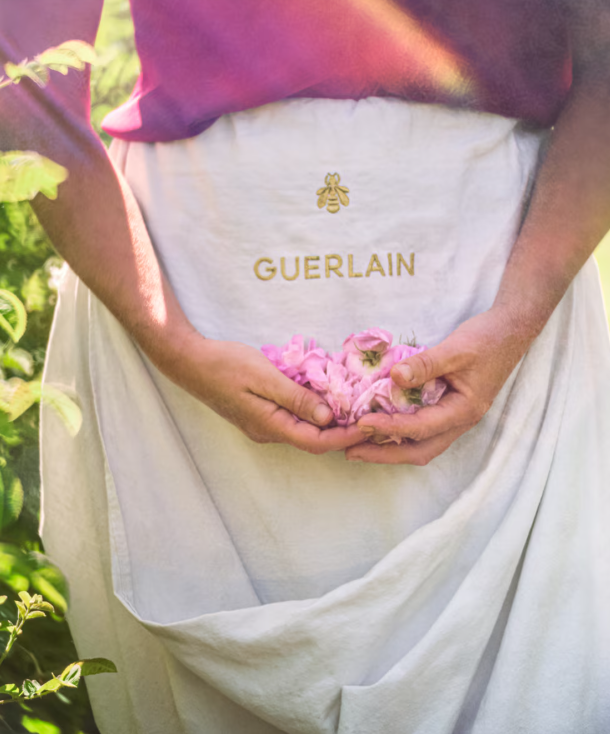
Guerlain has long collaborated with local growers in Grasse. Domaine Le Mas des Sources, the brand's partnership with the Gastaldi family, is a 4-hectare organic farm growing roses, tuberose and verbena. In 2024, the farm underwent an independent UEBT audit covering organic and conventional cultivation methods, drip irrigation systems, recycling of pruning waste and traceability of harvested flowers. Guerlain also provides technical and agricultural practice support to its suppliers through long-term cooperation.
CARON, the second-oldest French fine fragrance house after Guerlain, has in recent years launched a revival with the support of the Rothschild family, building a network of distinctive natural raw materials through partnerships across multiple origins worldwide.
The brand works with LMR Naturals Laboratory, a subsidiary of fragrance ingredient supplier IFF, sourcing lavender from Provence in France, roses from Turkey, orange blossom from Tunisia and vetiver from Haiti, among other materials, and strengthening raw material traceability and supply chain management by building long-term relationships with local growers, suppliers and cooperatives. Distinctive plants from different origins thus enter the brand's product system, making regional resources an important foundation for its perfume creation.

These cases show that brands' control over raw materials is not limited to owning land. Own plantations, exclusive flower fields, long-term sourcing agreements, processing technology and raw material traceability can all be part of supply chain management.
Among these, the raw material processing stage deserves particular attention. The time, temperature and techniques involved from harvesting to extraction of natural flowers all affect the aromatic compounds ultimately obtained. Closer ties between brands and origins help shorten the distance from harvest to processing and give perfumers more direct understanding of raw material characteristics.
On the other hand, natural raw materials are not fully standardized industrial products. Climate and harvests in different years may bring olfactory differences. For brands pursuing consistent quality and scale production, this is both a supply chain management challenge and potentially a unique creative resource.
From Raw Material Origins to Long-Term Assets: How Do Brands Participate in Terroir Protection?
As brand product value increasingly depends on specific regional resources, the stability of raw material supply chains is no longer just a matter for procurement departments, but is closely tied to the continuation of local agriculture, natural ecosystems and traditional craftsmanship.
France's Grasse is a typical example. It was once an important center of perfume raw material cultivation in Europe. In 2018, perfume-related craftsmanship in the Grasse region was inscribed on UNESCO's Representative List of the Intangible Cultural Heritage of Humanity, covering three aspects: the cultivation of perfume plants, knowledge and processing of natural raw materials, and the art of perfume composition.
However, with urbanization and changes in agricultural structure, traditional perfume flower cultivation faces pressure on land resources and production costs. For brands that rely on natural raw materials such as roses and jasmine, maintaining local cultivation traditions is not only a matter of supply chains but also of whether the regional value embodied in these materials can continue.
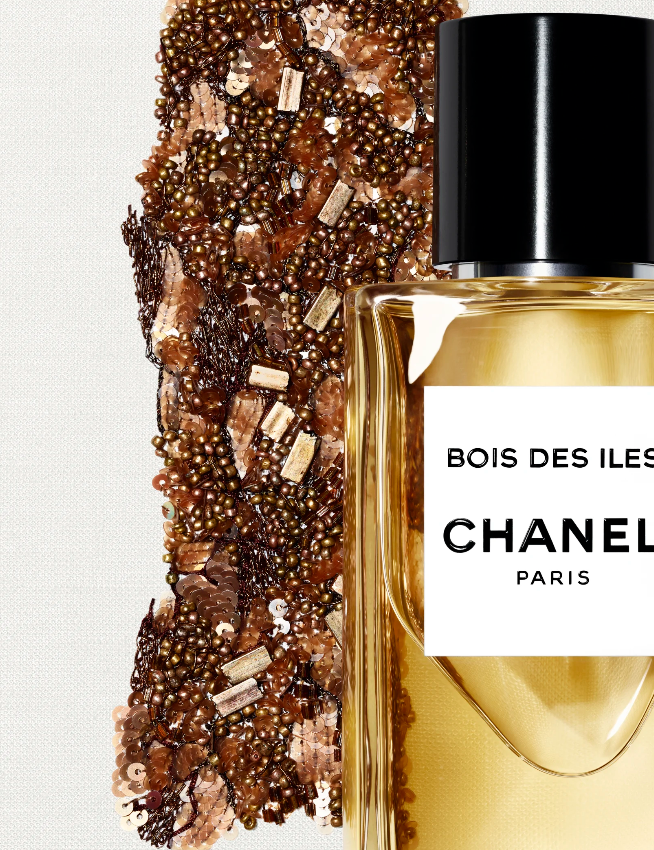
Chanel's partnership with the Mul family in Grasse, France, has lasted more than 40 years. In 2024, the farm operated under the partnership obtained regenerative organic certification, with practices covering soil health, organic cultivation and farm worker rights. In New Caledonia in the South Pacific, Chanel combines raw material supply with ecological protection. Sandalwood essential oil is an important raw material in several of the brand's perfumes. Given the forest degradation caused by long-term overharvesting of Indian sandalwood, Chanel shifted its sandalwood sourcing to New Caledonia in 2010 and works with local partners to advance resource protection and reforestation. According to the brand's 2018 social responsibility report, the project plans to protect 75,000 sandalwood trees in local natural habitats; within designated conservation areas, for every tree harvested, the partner nursery cultivates and transplants five new trees. The brand also works with local Kanak communities, balancing forest resource protection with community economic interests.
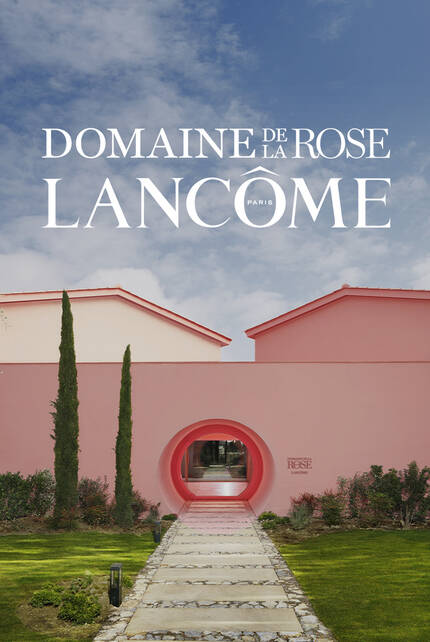
Lancôme acquired the Domaine de la Rose rose estate in Grasse in 2020 and completed its restoration and inauguration in 2022. The estate uses organic cultivation and regenerative mixed farming to grow perfume plants such as roses, jasmine, iris and tuberose. According to the brand's 2023 biodiversity survey, more than 280 species of flora and fauna were recorded at the estate. Beyond raw material cultivation, Lancôme also participates in preserving local perfume cultivation craftsmanship and culture through estate restoration, ecological management and training activities.
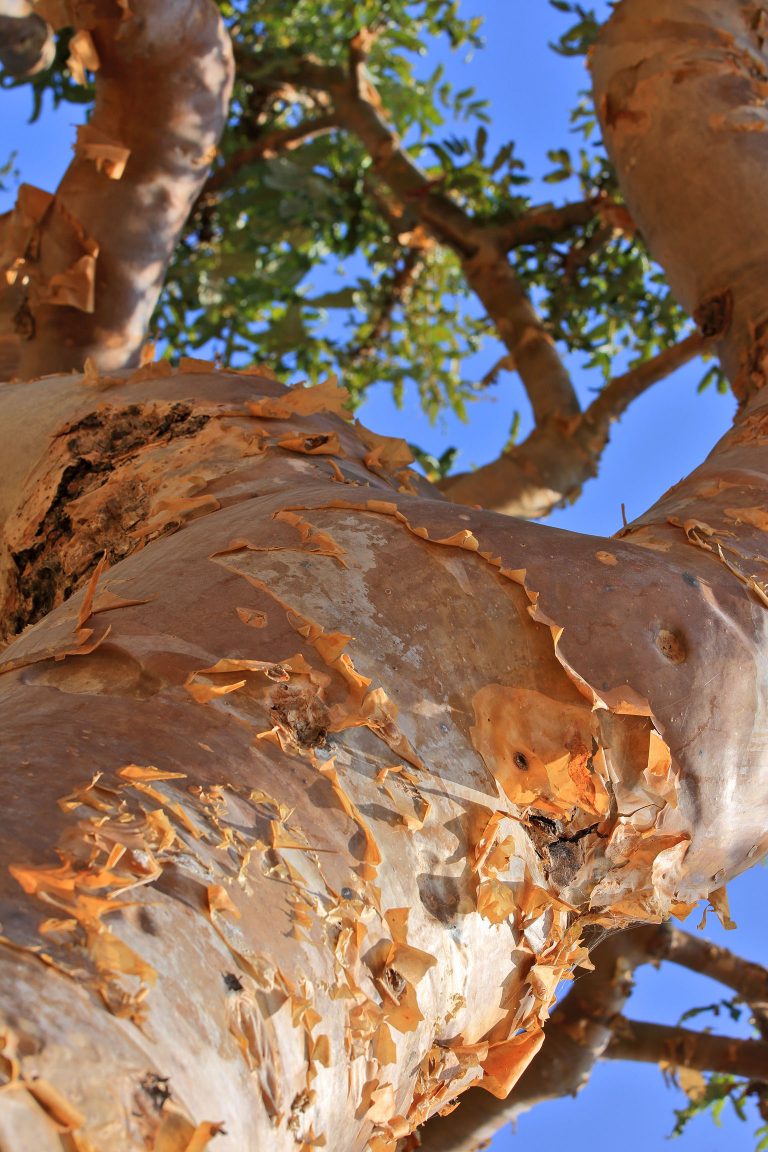
Amouage's deep involvement in the Omani frankincense origin of Wadi Dawkah demonstrates a more direct link between a brand and natural resource protection. In 2022, the brand reached a partnership with Oman's Ministry of Heritage and Tourism to participate in the development and protection of this historic frankincense site, with the first harvest beginning in September 2023. The brand established geolocation and digital records for local frankincense trees, recording tree information and each harvest, and manages them in combination with traditional harvesting methods. In 2025, Wadi Dawkah obtained FairWild certification, becoming the first frankincense collection site in Oman to receive it. The certification covers biodiversity protection, harvesting ethics, local community rights and supply chain traceability, among other aspects.
These cases show that managing terroir is not simply writing a place into a product story, but requires sustained investment in land, growers, production techniques and ecological protection. While brands obtain unique raw materials, they also need to consider whether the origin can maintain long-term production capacity.
Can Terroir Become a Long-Term Competitive Moat for High-End Fragrance?
From Omani frankincense to Provençal roses, regional terroir is becoming an important path for high-end fragrance brands to build differentiation.
But perfume and wine are not entirely the same. Wine can express its origin relatively clearly through grape variety, appellation and vintage, whereas perfume is ultimately a complex art of blending: a single perfume may use natural raw materials from different countries at the same time, and may also combine synthetic ingredients and multiple extraction techniques. The origin of one raw material cannot directly determine the style of an entire bottle of perfume.
A fragrance brand's partnerships with growers, its raw material cultivation and processing experience, and its perfumers' understanding of raw material characteristics all require long-term accumulation and cannot be achieved overnight.
Therefore, the real value of a terroir strategy does not lie in attaching a place name to a product, but in whether a brand can consistently transform specific natural resources into signature scents, a comprehensive and stable product experience, long-term supply advantages and a convincing brand story.
丨Image source: official websites of the respective brands
丨Editor: LuxeCO


