
Maiqiqi, a doll with a blunt-cut bob and gold aviator sunglasses, is becoming the latest reason young people are lining up for MICHAEL KORS.
Earlier this month, this brand IP character made its debut in an advertising campaign starring Tan Jianci, quickly sparking a wave of inquiries on social media. Maiqiqi charm accessories, along with the new HAMILTON handbag sold in a bundle with them, repeatedly sold out.
Recently, a giant installation featuring Maiqiqi and the HAMILTON handbag appeared at Suzhou Center. The brand also brought its "MK Jet Set Lounge" to the venue, creating an experiential space that visitors can explore and enjoy.

From a small tavern in Chengdu's Yulin in 2024, to a tea-and-cocktail shop at the foot of Hangzhou's Longjing Mountain and a baozi shop under the plane trees of Shanghai in 2025, and then to an old Beijing hutong tour in 2026, MICHAEL KORS has refreshed the experience at every stop. Clever integration with local culture leaves Chinese audiences feeling both familiar and pleasantly surprised.
MICHAEL KORS launched a new strategy last year, building on its "Jet Set" brand DNA to forge deeper connections with young consumers in a more modern, more localized way. These highly creative marketing initiatives are a key part of the brand's transformation and, together with a vibrant pipeline of new products, are propelling the brand onto a new growth trajectory.
1. The IP Business: Plugging Brand Storytelling into Young People's Social Circles
One social media post read: "Because of this Maiqiqi, I went through my photo album again—she got me through a tough start to the month and exams." In the comments, Maiqiqi fans encourage one another and share styling tips. A shared beloved IP character has become an entry point for them to recognize and cheer each other on.
This small share reflects a deeper shift in consumer trends: beyond product function and design, the new generation of consumers increasingly values whether a brand can provide emotional value, and whether consumption can help them express identity and feel a sense of participation. It is precisely this psychological need that has made designer toys and bag charms quickly become social currency for the younger generation.
MICHAEL KORS keenly captured this shift and designed a complete personality profile for Maiqiqi: confident and independent, full of curiosity, and passionate about fashion and travel. While her look highlights playfulness and vitality, it also incorporates a signature element of brand founder Michael Kors—gold aviator sunglasses.
This not only creates a highly recognizable, cute and approachable character, but also fully "personifies" the brand's characteristics, allowing young consumers to intuitively perceive the brand's spirit and style with a lower cognitive threshold and a stronger sense of identification.

MICHAEL KORS teamed up with global ambassador Tan Jianci for an advertising campaign shot in London, with the Maiqiqi doll charm featured throughout as a styling highlight, creating a visual "mini sidekick" pairing with the ambassador. The brand also launched interchangeable doll outfits based on the ambassador's campaign looks, tapping into young people's popular "doll parenting" trend.
Market feedback was immediate: Maiqiqi strengthened the "buy a bag + add-on purchase" path, with some popular colorways of the new HAMILTON handbag selling out on the day of launch and generating a wave of "haul" posts on social platforms.
Through a complete and clever IP setup, MICHAEL KORS has plugged its brand storytelling into the communication system young people love, effectively eliminating the sense of generational distance and greatly stimulating young consumers' desire to buy from the brand.
The brand says "Maiqiqi" is the first member of the MICHAEL KORS doll family, which may hint that the brand will further step up its IP strategy. In the future, the brand could continue to enrich its IP content and product extensions, moving from hit merchandise to long-term character-based operations. Exclusive IP has the potential to unlock longer-term brand value.
2. The Contemporary Narrative of JET SET: Entering Urban Micro-Travel Scenarios
At Citi's Global Consumer and Retail Conference, John D. Idol, Chairman and CEO of Capri Group, clearly articulated MICHAEL KORS's brand strategy: "The core opportunity lies in rejuvenating a classic brand to attract Gen Z and millennial consumers."
Based on this judgment, MICHAEL KORS, an American classic brand with a 45-year history, has redefined its contemporary meaning.
Founder Michael Kors initially designed clothing and accessories for men and women leading fast-paced lives. Jet Set is the brand's DNA; it originally referred to the lifestyle of the fashionable elite in the 1960s and 1970s who jet-setted between global cities and resort destinations. In Michael Kors's words: "In the morning you're in New York, and by night you're in Paris. You never know where you'll be next, so choosing a sexy yet elegant outfit becomes all the more important."
Today, Jet Set has transformed from a description of social class into a widely practicable dressing philosophy. The imagery of private jets and yachts has faded, replaced by more universal modern life scenarios. It emphasizes a life attitude that is free from geographical constraints and maintains ease and composure anytime, anywhere.
In April this year, MICHAEL KORS unveiled its first "MK Jet Set Lounge" in Asia at Beijing's China World Trade Center, integrating retail space with a dining experience featuring coffee, iced tea, and sweet and savory snacks. The space has made limited-time appearances at boutique hotels in Shanghai, Chengdu, Shenzhen and other cities, allowing consumers to directly experience the brand's travel spirit in real travel scenarios.


In the new campaign, the "MK Jet Set Lounge" has entered more urban commercial spaces, blending into scenarios within easy reach during a city stroll. In today's fast-paced life, young people are pursuing relaxation, ease and instant experiences; for them, as long as they have the heart to "just go," anywhere can become a travel destination for unwinding.
Rapid changes in social context and lifestyle test a brand's ability to adapt its communication strategy. MICHAEL KORS's successive marketing innovations are not just about generating brand buzz, but also about sending a signal: the brand has tuned itself to the emotions and attitudes contemporary consumers can practice in daily life, and hopes young people will get to know it anew.
3. One Place, One Strategy: Building Urban Memories Through "Familiar Surprises"
China's consumer market is undergoing a structural shift from goods consumption to experience consumption, and MICHAEL KORS is already at the forefront of this upgrade.
In the limited-time space at Suzhou Center, the brand turns a cup of coffee, a dessert and a seat to rest into touchpoints of interaction between consumers and the brand. The giant installation of Maiqiqi and the HAMILTON handbag first creates a photo-op landmark; the brand's own hit drink, the "Cloud in a Sip" marshmallow iced tea, delivers a fresh taste experience; nail art services are also offered, turning Maiqiqi and the HAMILTON handbag into fingertip designs and further extending dwell time and interaction.
A simple "look at bags" is thus stretched into a journey of "playing along."

Looking back at MICHAEL KORS's marketing moves in recent years, "urban travel experience" and "creativity" have always been keywords:
The design philosophy of the JORDI bag was woven into the natural scenery and leisurely atmosphere of Chengdu and Hangzhou. The JORDI limited-time tavern on Chengdu's Yulin Road, the "Stretch Out" tea-and-cocktail shop at the foot of Longjing Mountain, and the springtime limited-time hand-rowed boat experience on West Lake all merged local laid-back life with the product's "relaxed aesthetic."
The NOLITA handbag, playing on the homophone of "bao" (bag/bun), opened a Shanghai-style "Baozi Shop" on Shanghai's Wutong Road, selling both NOLITA bags and Shanghai xiaolongbao. In Beijing, the brand hosted an old Beijing hutong tour themed "grab your bag and take a stroll."
This time, the retro, relaxed HAMILTON handbag came to Suzhou, using creative foods such as the city-exclusive "Cloud in a Sip" special drink and the "Gusu Slowpoke" yogurt bowl to translate Suzhou's slow pace of life into taste memories that align with the product's characteristics and can be savored and shared.
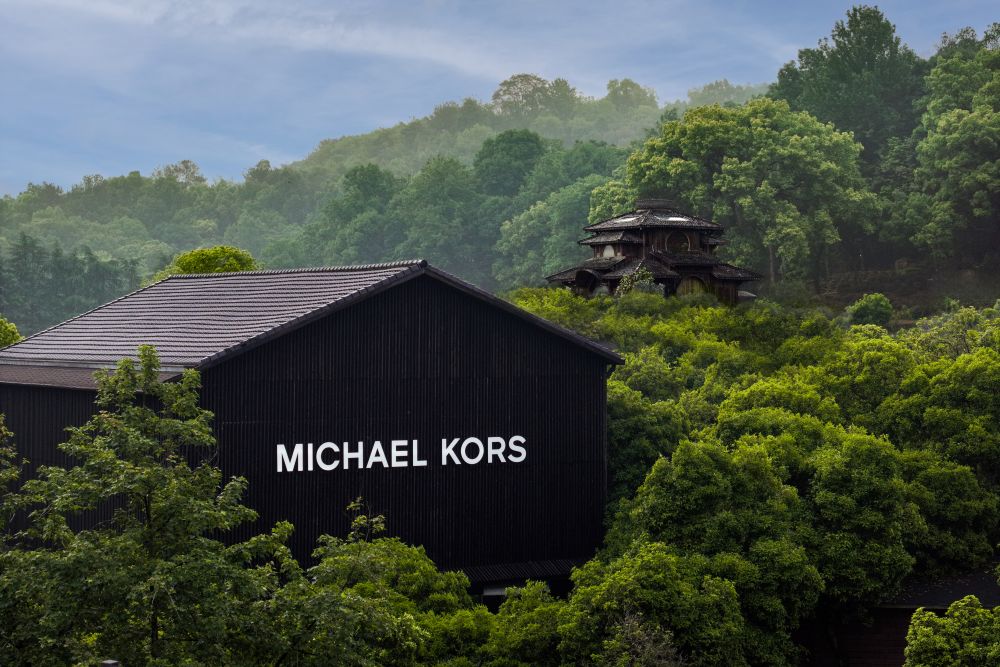
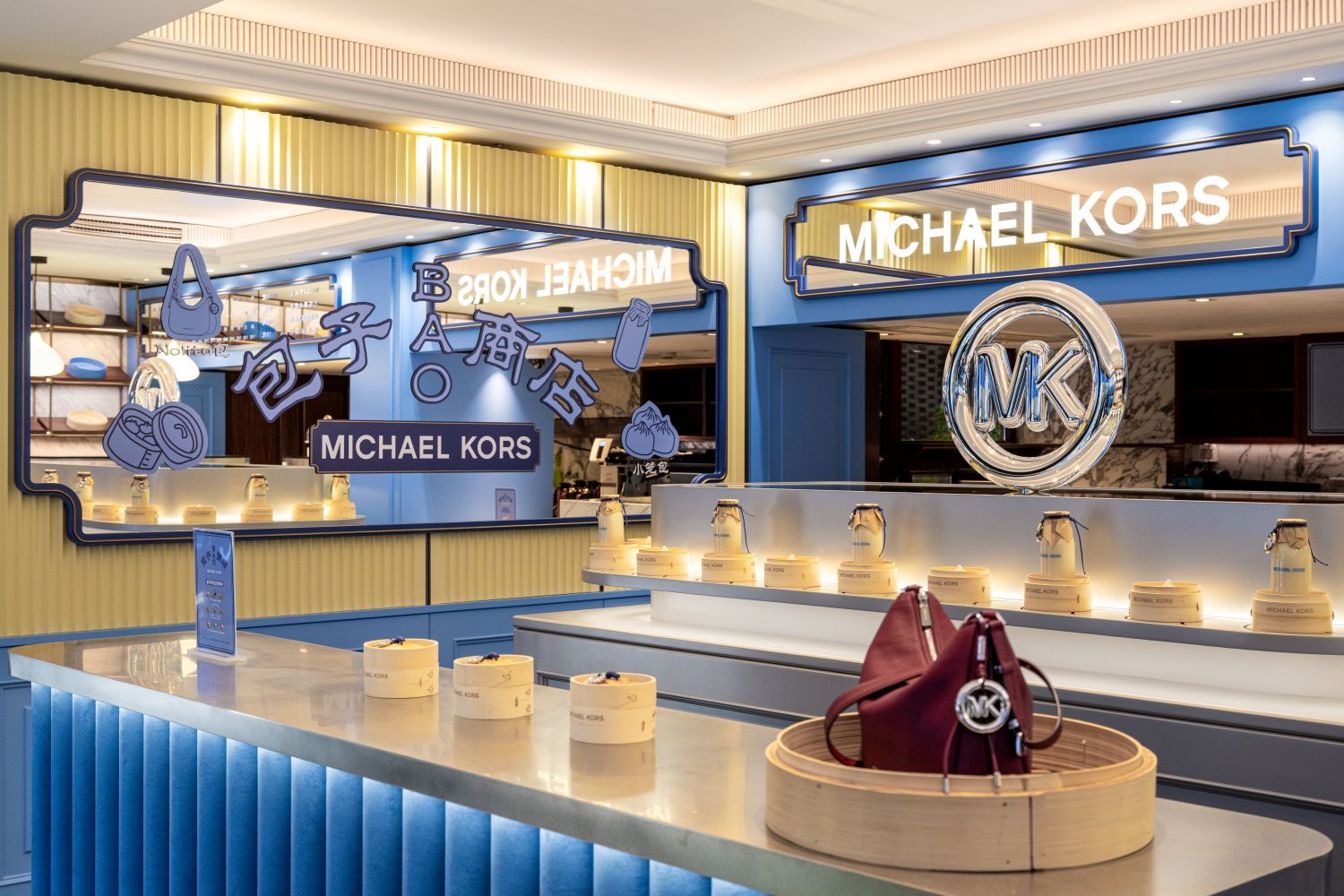
Behind these creative marketing efforts is MICHAEL KORS's deep insight into the local cultures of different Chinese cities, which has given rise to a series of fun and down-to-earth creative approaches.
The brand no longer markets from an "outsider" perspective, but steps into real life as an "insider," standing on the same side as consumers. The unique cultural character of each city is carefully captured, and the local atmosphere is cleverly blended with the brand's tone, creating just the right sense of contrast that makes people want to stop, look closely and savor.
At the same time, the density of experiences and the fun of the creativity are always maintained at a high level, allowing people to participate and immerse themselves, sparking consumers' enthusiasm for photo-ops and organic sharing.
4. Efficient Synergy Between Marketing and Product Drives New Brand Growth
Product is always the core of a brand. In recent years, MICHAEL KORS has made many visible changes to its products.
From the simple and roomy JORDI and the soft, lightweight NOLITA to the classic, retro HAMILTON, materials have been upgraded for softness and comfort, silhouettes have been enhanced for functionality, and styles balance practicality with classic appeal while incorporating modern aesthetics, closely aligning with young people's usage scenarios and lifestyles.

Every MICHAEL KORS marketing idea is closely coordinated with new product launches, continuously providing fresh narrative highlights for products. Marketing creativity, product iteration and offline experiences work in concert, ensuring that brand expression ultimately lands in products and consumption scenarios.
Financial data confirms the effectiveness of the strategy, and the brand is entering a new growth trajectory:
Capri Group's financial reports show that in the fourth quarter of fiscal 2026, MICHAEL KORS brand revenue was $656 million, with operating profit surging 78.1% year on year to $57 million; in the first quarter of fiscal 2027, brand revenue was $590 million, exceeding expectations.
John D. Idol stated that MICHAEL KORS's full-price same-store sales in the Chinese market have continued to grow positively and are expected to improve further in the second half; in the long term, the plan is to raise the brand's annual revenue to $4 billion.
Looking at MICHAEL KORS's marketing and products over the past two years, it is not just about being "good at playing" and creating talking points; a clear throughline has emerged: always centered on the brand vision of "inspiring everyone to explore the world in style," refining its creativity time and again to translate the brand into a language this generation of young people can understand and engage with.
Rather than chasing short-term buzz with scattered ideas, it has formed a coherent brand narrative, accumulating one memorable, exclusive memory after another in the Chinese market. In the fashion industry, this is precisely the key for a mature brand to maintain its market position—preserving the continuity of its brand DNA while making its expression sufficiently contemporary.
In the future, when people talk about MICHAEL KORS, what they remember will not just be a particular handbag or a particular event, but also the subtlety and depth with which it blends into real life. These details will all become footnotes to this classic brand's continued participation in contemporary fashion, sustaining its endless contemporary vitality and market relevance.
| Image source: Provided by MICHAEL KORS, MICHAEL KORS Weibo account
| Editor: LuxeCO


