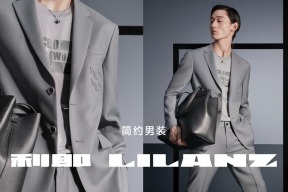
When Chinese people choose colors for their clothing, since ancient times the emphasis has been on "following the seasons." As the seasons enter autumn, the rhythms of nature direct the shifting colors of mountains, rivers, and forests, and also urge the people living on this land to change into autumn attire.
Cutting clothes according to the solar terms, choosing colors in accordance with the phenology of things. Chinese menswear brand LILANZ traveled to the heart of southern Anhui to scout locations and set its palette amid villages where the ancient spirit has not faded: Chengkan, described by Zhu Xi as "the home of two worthies in Chengkan, the finest village in Jiangnan." From its site selection and layout to its construction methods, from the character of its dwellings to its cultural customs, everything reflects the ancient philosophy of living in harmony with heaven and earth and the seasons.

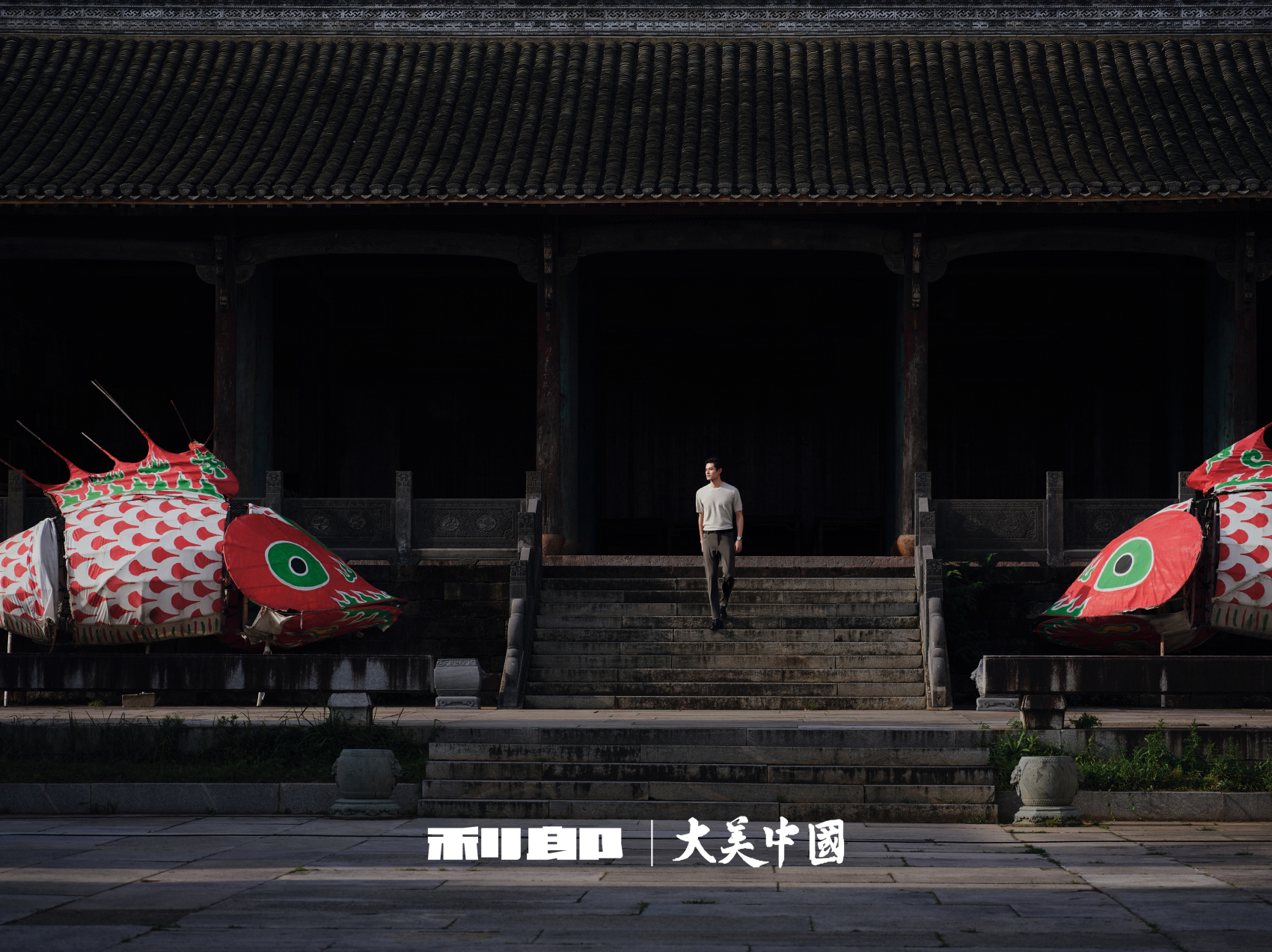
LILANZ drew color inspiration from Chengkan and, in collaboration with the China Color Research Institute (BMCCR), launched the 2026 Great Beauty of China IP Collaboration Series • Mid-Autumn and Late Autumn in two chapters, weaving the colors of nature into modern clothing. Amid whitewashed walls and dark tiles, wooden buildings and small bridges, the colors stand out distinctly, yet are perfectly in place.
Where do LILANZ's "Chinese colors" come from?
The LILANZ planning and design team told Luxe.Co that for a long time the apparel industry has tended to refer to Western color standards for color naming and systems. Through years of brand building, LILANZ has kept asking itself: what is the aesthetic foundation of contemporary Chinese men? "We hope to find a mode of expression that fits the temperament and DNA of the Chinese people."
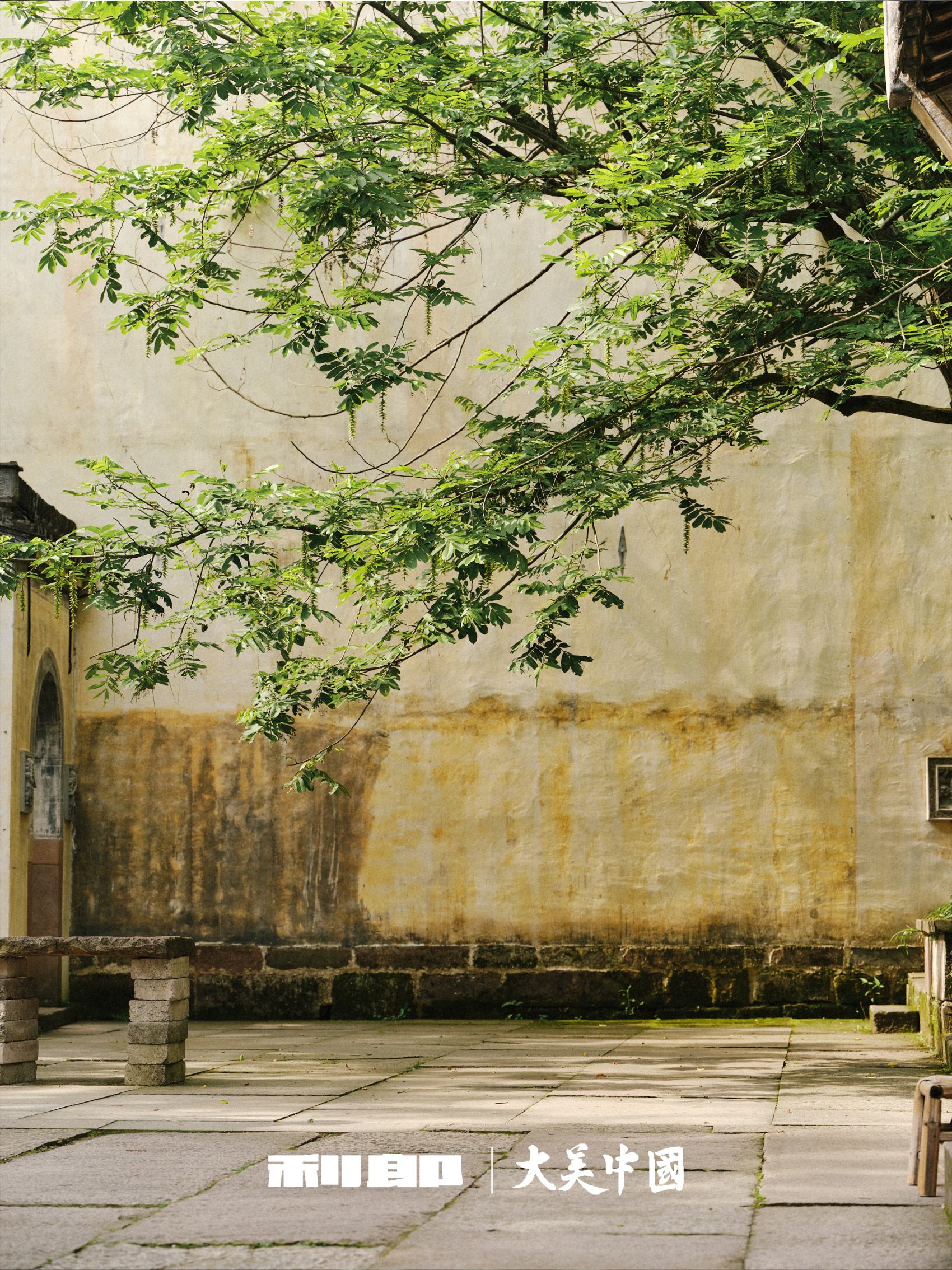
Chengkan faces east and sits west, screened by eight peaks and axis-aligned by two waters; the colors of its mountains, waters, and forests form the backdrop of the entire village. As autumn arrives, the countryside shifts from lush verdure to deep, restrained greens; distant mountains, pine forests, low bamboo, and autumn waters render their colors layer by layer from far to near, revealing a rich visual texture in the clear, blue-green light.
From these, LILANZ distilled autumn mountain green, pine-needle green, ink-bamboo green, and cold-pool green as base colors, using the restraint and composure of the landscape and vegetation to set the stylistic tone of the entire series. Amid the greens are the moon-shadow white of Du Fu's line "the autumn season nears in the sky, the moon's shadow is clear in the human world," and the late persimmon red of Yang Wanli's "a single hue of persimmon red brightens the silk sleeves"—a touch of vitality before autumn fades, adding a note of relaxed, easygoing liveliness to the Mid-Autumn series.
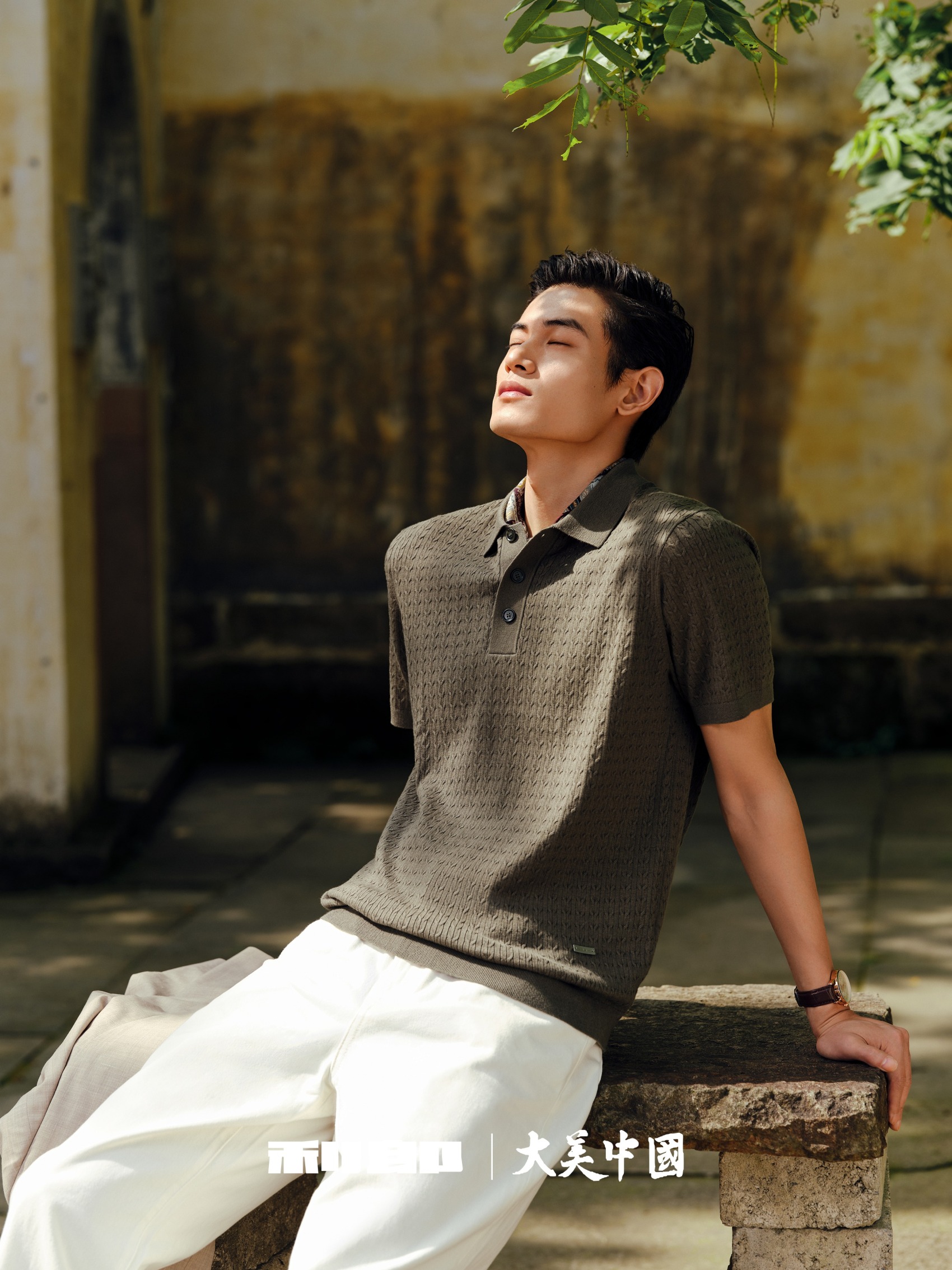
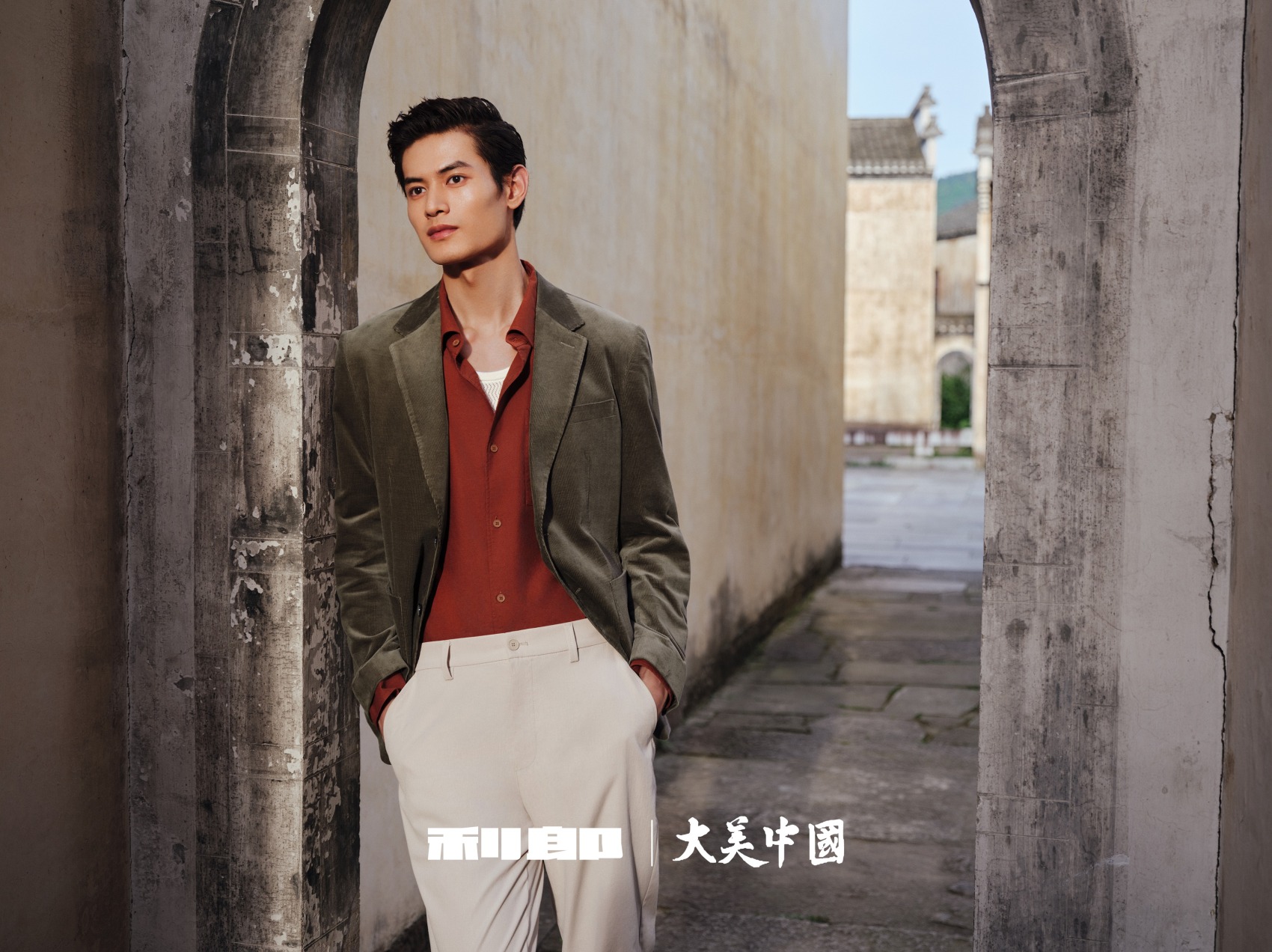
Above: LILANZ 2026 Great Beauty of China IP Collaboration Series • Mid-Autumn
After Frost's Descent, heaven and earth fall silent in an instant; there is less green, and trees and mountains reveal their true colors, as deep, rich browns quietly exude the gentleness that follows the autumn harvest. The wheat stores up its full measure of joy, and the carved wooden doors and windows of Hui-style architecture hold the grain of the years. The browns of varying depths drawn from these natural and cultural sources become the dominant tones of the Late Autumn series, complementing the texture and luster of natural materials such as wool and suede.


Above: LILANZ 2026 Great Beauty of China IP Collaboration Series • Late Autumn
The LILANZ planning and design team detailed for us one by one the sources of inspiration for the colors and the concepts behind their pairing. In the actual R&D process, the China Color Research Institute provided theoretical support; over the past 15 years it has focused on studying Chinese colors scattered across documents, artifacts, nature, and daily life, using modern color science to systematically organize and restore them, and has established an original Chinese color big-data color science system.
LILANZ, for its part, was responsible for applying Eastern aesthetic colors to everyday clothing through fabric dyeing and craft testing. The core technical difficulty lay in the precision of color reproduction and stability: "to make fabrics present low-saturation, subtly gray-toned hues—a slight deviation in the dyeing and finishing process easily shifts the color."
After its vertical integration reform, LILANZ built an independently developed pipeline spanning the entire industry chain. In this collaboration series, LILANZ planned and designed fiber color and type from the yarn stage onward, then applied the high-standard craft of its wash-resistant POLO shirts so that the colors always maintain their optimal presentation on the garments—with full in-house control from yarn, dyeing, and printing to the finished garment.
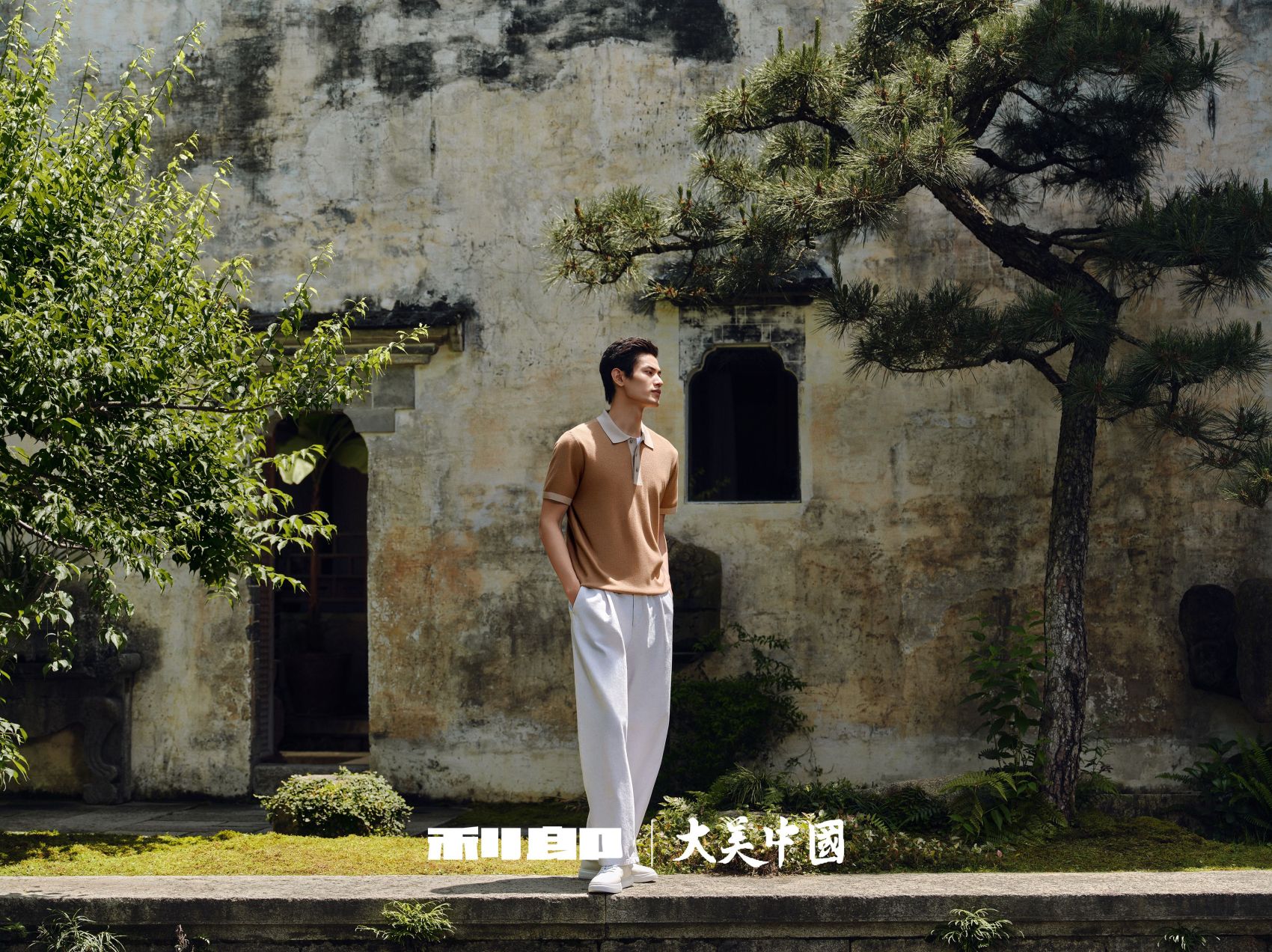
Above: LILANZ 2026 Great Beauty of China IP Collaboration Series • Late Autumn
How is the wisdom of the ancients integrated into the modern menswear system?
The LILANZ planning and design team believes that Chinese color is not only "a living state of scenery and nature" but also bears the imprint of the Chinese view of nature and philosophy of life.
"Stroll through Chengkan, and your life will be free of ridges (kan)," as the local saying goes—the best confirmation of this.
In the Shuowen Jiezi, "cheng" originally means "level," while "kan," according to the directional positions set by the Earlier Heaven Bagua, belongs to the west and to water; "Chengkan" thus refers to "the level ground west of the water." At the end of the Eastern Han dynasty, the ancestors of the Luo clan chose this spot, embraced by mountains, backing onto hills and facing water, facing south with its back to the north, and built a village there that has stood for more than 1,700 years. Walking into the ancient town, ancestral halls, community houses, dwellings, and pavilions interweave; the spatial layout of two water channels, three streets, and ninety-nine lanes makes one feel as if entering a Bagua maze.
Whether in site selection or layout, the village of Chengkan, inside and out, embodies the Bagua theory of the I Ching—the unity of yin (kan) and yang (cheng) and the harmony of heaven and humanity. It does not avoid the perils of mountains and rivers but follows the lie of the land—just as the obstacles in life, taken as the natural chapters of existence, allow one to live with insight.
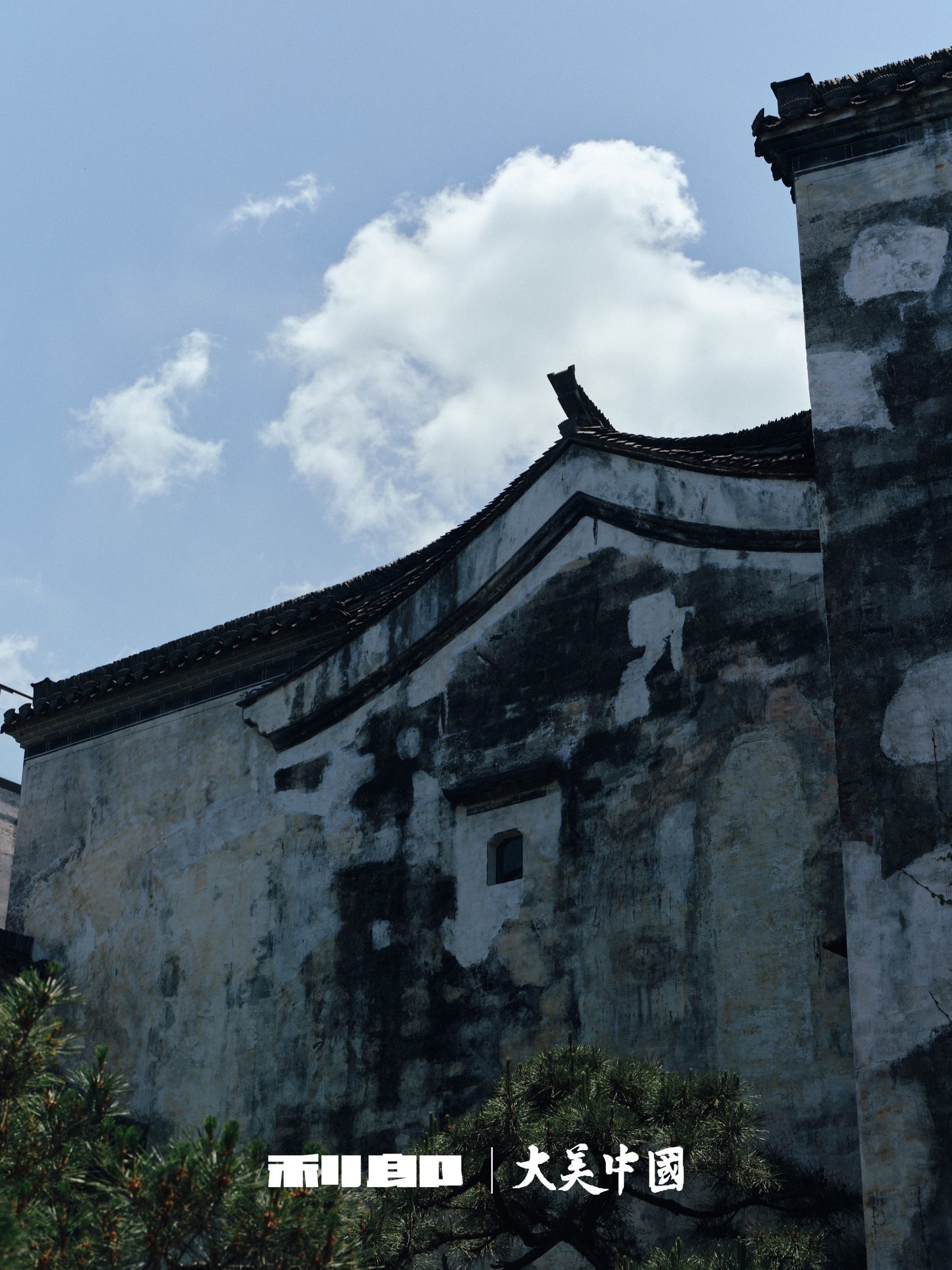
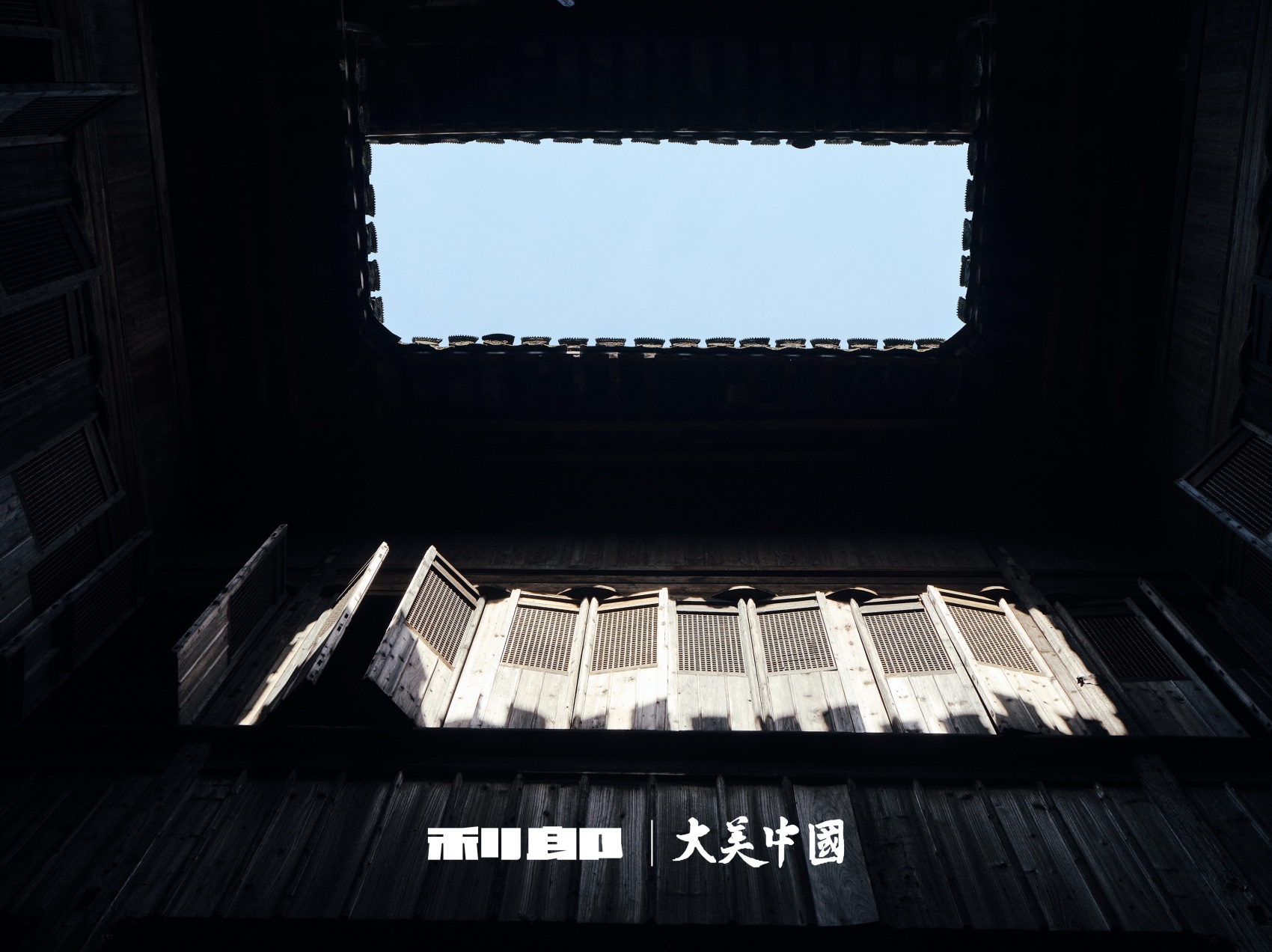
LILANZ saw in Chengkan a philosophy of living in harmony with heaven, earth, and nature—and the brand has long made a point of tracing this wisdom of the ancients back to its origins.
Starting with the "Canglang Chinese Colors Series" at the turn of spring and summer 2025, LILANZ began continuous research into and product development of Chinese colors. Eleven colors drawn from the pre-Qin literary classic Song of Canglang were rendered on the brand's signature POLO shirts, with the campaign shot on location in Jingdezhen. Over two years, from one spring-summer cycle to another autumn-winter cycle, LILANZ has built a closed-loop path from "natural inspiration—design development—brand narrative," picking up traditional culture that had been sealed away in old books and hidden in mountains and rivers, integrating it into the modern menswear system, and responding to consumers' current search for cultural identity.
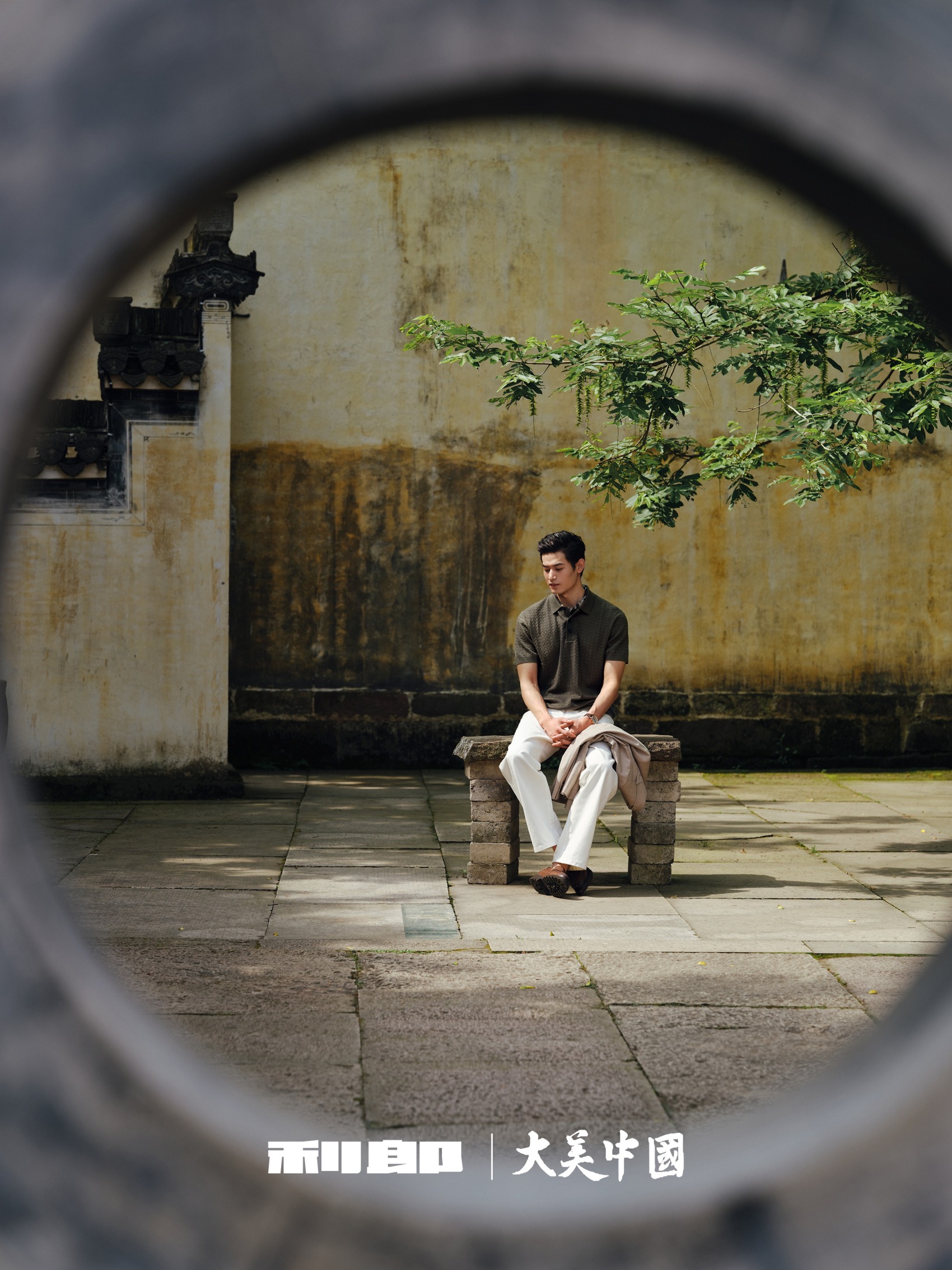
Above: LILANZ 2026 Great Beauty of China IP Collaboration Series • Mid-Autumn
Even earlier, LILANZ anchored itself in Quanzhou, the city of its birth, and held a major show on the 800-year-old Anping Bridge; jointly launched the original campaign "See China in Good Looks" with Chinese National Geography, inviting photographers from across the country to capture the motherland's magnificent landscapes through their lenses; collaborated with The Longest Day in Chang'an to look back on the splendors of the High Tang; and returned home with contemporary newlyweds in Jiaxing, Luoyang, Zunyi, Shenyang, Lu'an, Yinchuan... across 33 cities from east, west, south, and north, leaving behind wedding photos rich in local character and uniquely their own; and joined hands with geographers and Olympic champions to cross the Hexi Corridor and retrace the Silk Road.
Across the land of China, LILANZ undertakes journey after journey in search of a "spiritual homeland," digging step by step from craftsmanship and natural scenery deep into the cultural core, and turning it into the brand's language, elevating its storytelling ability time and again. The nourishing waters brought by each journey flow into the brand's ceaseless river.
|Image source: LILANZ
|Editor: Xiaoyue