On October 29, German sportswear giant adidas announced before market open its third-quarter results for fiscal year 2026 ended September 30, and on the same day held an online earnings call where CEO Bjørn Gulden and CFO Harm Ohlmeyer interpreted the group's latest strategy.
Third-quarter sales were €7.252 billion, up 9% year-over-year (up 7% at constant currency), setting a new all-time high for quarterly net sales; operating profit surged 37% year-over-year to €1.008 billion, also a quarterly record, with operating margin up 2.8 percentage points to 13.9%; net income from continuing operations rose 48% year-over-year to €711 million, with earnings per share of €4.06. Operating profit for the quarter significantly exceeded market expectations of approximately €742 million.
On October 29, Adidas shares closed at €167.15, up 5.8% from the previous trading day. As of LuxeCO's press time, Adidas shares had risen 3.48% over the past year, with a latest market capitalization of €28.4 billion.
Greater China was one of the biggest highlights of the quarter: revenue grew 20% year-over-year (up 13% at constant currency), with the DTC channel also recording double-digit growth.
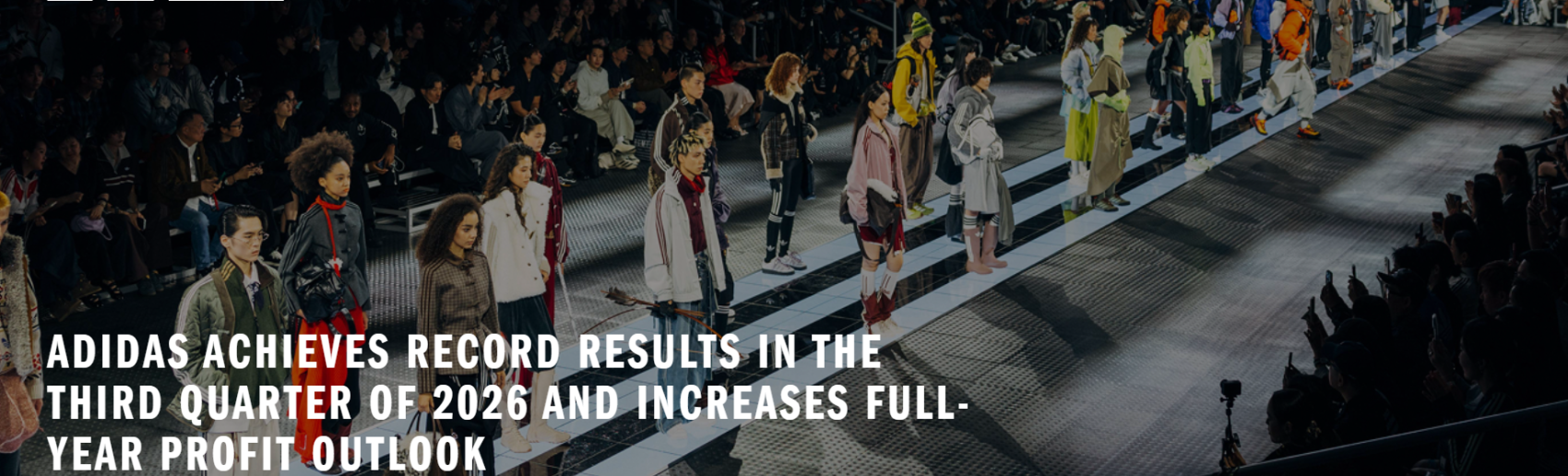
Adidas CEO Bjørn Gulden told reporters on the call: "We see other companies struggling in the Chinese market, but at the moment there is nothing that makes us think there will be clouds in the coming quarters." He also revealed that the group is shifting more resources toward growth markets: "If Europe has heavy discounting and weak growth, you might allocate more resources to a growth market like China."
Bjørn Gulden reiterated that staying close to consumers and local culture is the group's core strategy, and the only way to achieve this is to empower local market teams. "Wherever we go in the world, we see talented Adidas people who are full of energy, focused on serving consumers and athletes, and passionate about the brand. In a volatile and complex world, it is a privilege to work with such an excellent team."
Based on the strong third-quarter performance, Adidas had already raised its full-year guidance on October 20: full-year revenue growth at constant currency is expected to remain at 9%–10%, and operating profit guidance was raised from approximately €2.3 billion to approximately €2.5 billion. The company explained that this figure includes three factors: approximately €200 million from US tariff refunds, approximately €100 million in additional earnings from business growth, and approximately €100 million the company is proactively investing in the fourth quarter to improve future operating leverage.
Bjørn Gulden revealed that this €100 million investment will be used to write off underperforming stores, eliminate software and systems no longer needed, and cover global personnel adjustments, severance costs, and structural cost optimization, with the goal of "leaving breathing room" for 2027–2028.
He also described the company's current stage as "standing at a crossroads again after four years of success," emphasizing that it will prioritize balance and avoid repeating the cycle of "rising on a hit product and then declining." According to the plan, Adidas will maintain an operating margin of around 10% over the next two years and add approximately €2 billion in sales.
"The past four years have been a process... if you look at 2027 and 2028, we will continue to grow. Our improvement base is now much stronger than in 2023," said Bjørn Gulden. He also said the group is shifting from growth driven by lifestyle footwear (retro shoes such as Samba and Gazelle) in 2024–2025 to using brand heat to drive apparel innovation—when the lifestyle footwear trend slows, consumers attracted by the brand will naturally flow to performance footwear such as running and training, or lifestyle apparel.
Commenting on the overall third-quarter performance, Bjørn Gulden said: "This was a great quarter for Adidas. We achieved record quarterly sales revenue of €7.252 billion and record operating profit of €1.008 billion. All markets except Europe achieved double-digit growth, DTC grew 17% globally, and all of this proves that the Adidas brand is performing well worldwide."
"Our marketing investment and creativity created brand heat, once again making us an attractive brand globally; our innovation investment also paid off—not only in events, stories, and results, but also in strong and profitable growth in football, running, and training categories. Admittedly, the lifestyle footwear business is currently challenging, mainly due to excessive market inventory and deep discounting, but we know this situation will normalize soon. In this environment, we are not seeking short-term maximization, but rather maintaining discipline, continuing to build a foundation for sustainable profitable growth, and focusing on mid-term goals."
By category, apparel became the main growth engine this quarter: at constant currency, apparel revenue grew 19% year-over-year, with Originals and football both achieving double-digit growth, and broad gains in Sportswear, running, and training; according to the call, apparel revenue was approximately €2.9 billion this quarter, accounting for about 40% of group revenue. Footwear revenue was flat overall at approximately €3.83 billion (about 53% of total revenue), mainly because the group continued to carefully manage wholesale sell-in amid high industry inventory and heavy discounting to protect full-price product architecture; however, in the DTC channel, footwear still recorded 6% growth, with double-digit increases in running and training. Accessories grew 5% year-over-year.
Bjørn Gulden acknowledged that lifestyle footwear is in a "difficult phase," with excess inventory and deep discounting in some markets. "But we don't need to panic; this is not a long-term disaster. These things happen, and if we are more disciplined—and we will be—the market will normalize soon."
Adidas Group's third-quarter fiscal 2026 results for the period ended September 30:
— By channel (at constant currency)
DTC: revenue grew 17% year-over-year, with e-commerce up 18% and own-operated stores up 16%; all store types achieved double-digit comparable store growth; continued focus on full-price sales further improved DTC gross margin.
Wholesale: revenue grew 2% year-over-year, with the group maintaining a cautious shipment strategy especially in Europe to address an uncertain consumer environment and high market inventory and promotions.
— By regional market (at constant currency)
- Japan/South Korea: revenue grew 19% year-over-year;
- Latin America: revenue grew 16% year-over-year;
- Emerging markets: revenue grew 15% year-over-year (despite sales in some Middle Eastern countries being affected by regional conflicts);
- Greater China: revenue grew 13% year-over-year;
- North America: revenue grew 12% year-over-year;
- Europe: revenue declined 4% year-over-year.
— By use-case category (at constant currency)
Performance sports: revenue grew 14% year-over-year, with running, training, and football all achieving double-digit growth.
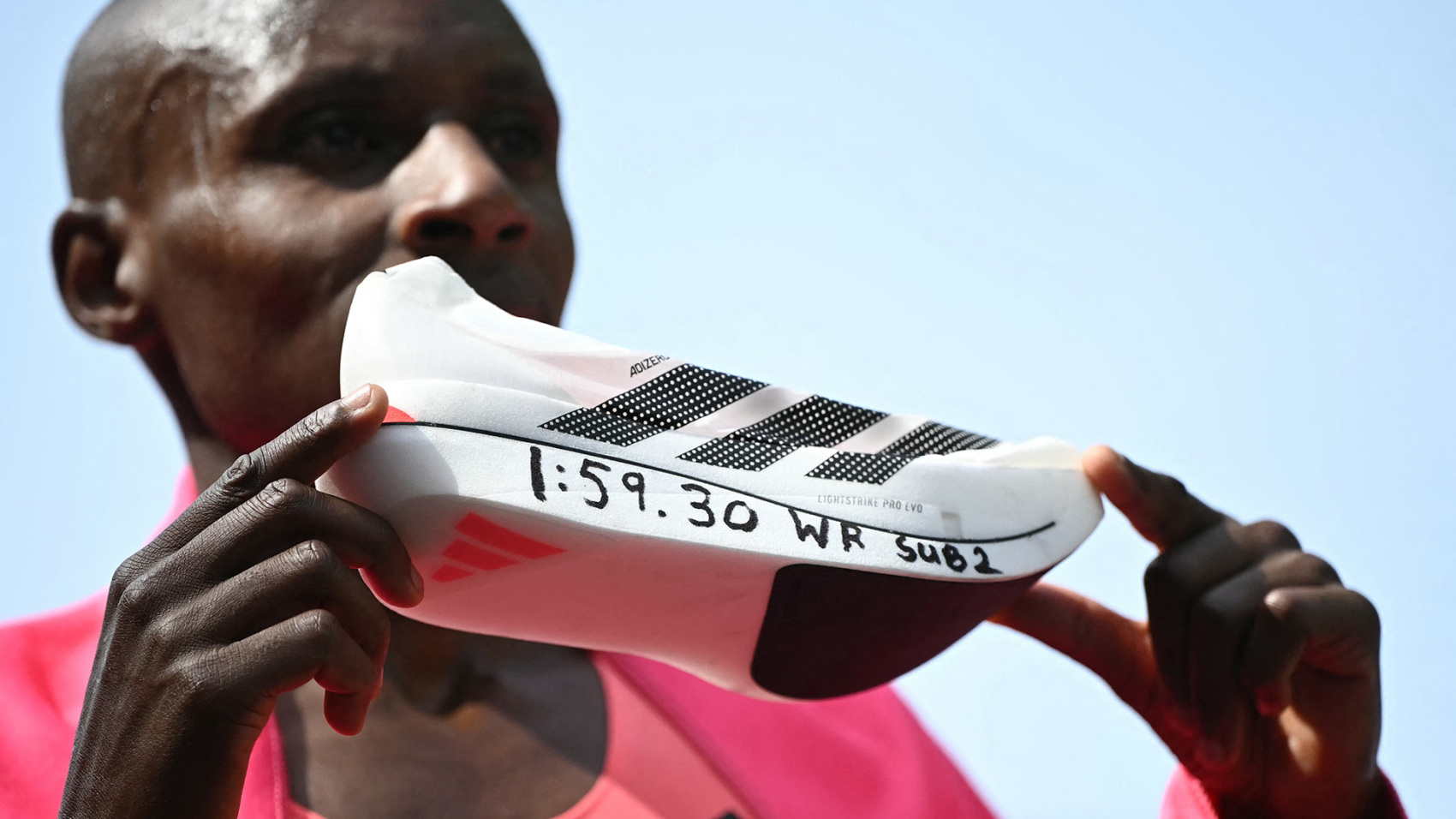
In running, Adidas athletes wearing Adizero Adios Pro Evo 3 swept all six podium places at the Berlin Marathon, further strengthening the performance reputation of the Adizero series and leading to the launch of the new-generation racing shoe Adizero Adios Pro 5; Climacool+ 3D cooling fabric, Techfit Pro muscle-support fabric, and the new Hyperboost Run daily running shoe enriched the product matrix.
In training, the first women's Originals Sport collection brought the brand's classic Trefoil aesthetic into the gym, with extremely high sell-through rates; the Adizero Dropset Elite and Pro hybrid training shoes continued to launch new colorways, consolidating the brand's position in hybrid training.
In football, the "all-Adidas" momentum from the 2026 World Cup final continued into the new season, with successful launches of club jerseys and fan merchandise for Arsenal, Real Madrid, Bayern Munich, Liverpool, Manchester United, and others. In addition, racing (Singapore Vanda Bloom collection), American sports (new NCAA partnership collections with the University of Tennessee and Penn State University), outdoor, tennis, and golf all recorded growth.
Lifestyle: revenue grew 3% year-over-year, led by double-digit growth in Originals apparel.
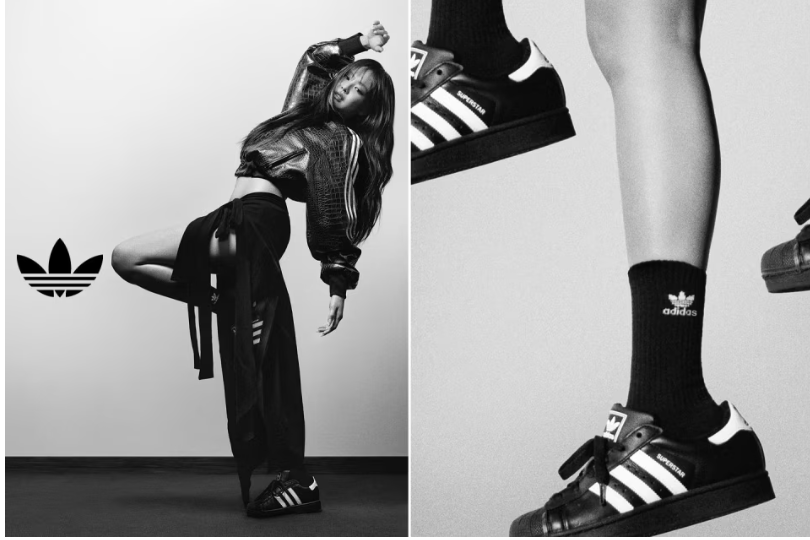
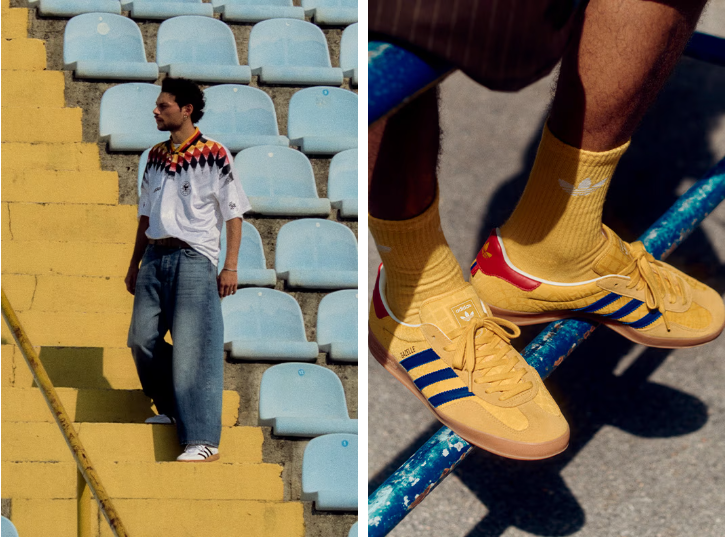
The Firebird and adicolor collections continued to gain momentum, with seasonal materials such as check prints and corduroy, and collegiate-style silhouettes (blouson track jackets, pleated trousers, suede and satin jackets) well received by consumers; the new adiSignature collection interprets comfortable everyday style with a modern approach; collaborations with Jennie, Arte Antwerp, and Simone Rocha further increased apparel exposure.
In classic footwear, Superstar and Low Profile continued to grow, and the Bad Bunny F50 Ghost Sprint collaboration and new Japan and Tokyo colorways were well received; seasonal updates of Samba and Handball Spezial (ballet-inspired, mule-inspired, double-lace versions) were especially popular with consumers; new Adistar colorways and the new Megaride version in collaboration with Willy Chavarria drove growth in the running lifestyle business.
Adidas Group's first nine months of fiscal 2026 results for the period ended September 30:
- Revenue grew 10% year-over-year to €20.587 billion (up 11% at constant currency);
- Operating profit grew 21% year-over-year to €2.287 billion, with an operating margin of 11.1%;
- Net income from continuing operations grew 23% year-over-year to €1.593 billion, with earnings per share of €8.85.
- Gross margin increased 0.8 percentage points year-over-year to 52.7%.
- Inventory was €5.739 billion, down 4% quarter-over-quarter, with current and next-season products accounting for the vast majority;
- Adjusted net debt to EBITDA ratio fell to 1.3x (1.6x in the prior-year period).
丨Source: official press release, earnings call transcript, Reuters
丨Image source: Adidas official website
丨Editor: LuxeCO