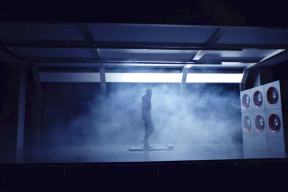
On the afternoon of November 3, the South Atrium of Taikoo Li Sanlitun in Beijing opened the launch day of Where the Heavenly Light Reaches — GOLDFARM Oriental Haute Couture Goose Down Collection Exhibition with an outdoor runway show. Sophie Marceau, French actress and GOLDFARM BLACKGOLD China Brand Ambassador, and Dong Jie, GOLDFARM BLACKGOLD Aesthetic Ambassador, both attended.
Supermodel and independent musician Chen Yu; content creator and musician Jiang Sida; all-round singer-songwriter Lil Ghost-Wang Linkai; contemporary artist Wu Jian'an; and actor, dance artist and initiator of the Ongoing International Dance Festival Yin Fang—guests from the fields of entertainment, fashion and culture and the arts—also came to the scene. That day,sales at the GOLDFARM Beijing Taikoo Li Sanlitun pop-up boutique exceeded RMB 420,000.
The runway show presented 15 GOLDFARM Fall/Winter 2026 goose down looks, among which the six auspicious-beast styles from the GOLDFARM Oriental Haute Couture Goose Down Collection all appeared: opening with the Vermilion Bird, and closing with two hidden styles, the Qilin and the Pixiu. The Pixiu is dominated by gold tones and measures nearly 1.9 meters long; in GOLDFARM's brand feature film Chasing the Heavenly Light, it is Sophie Marceau who wears this Pixiu style.
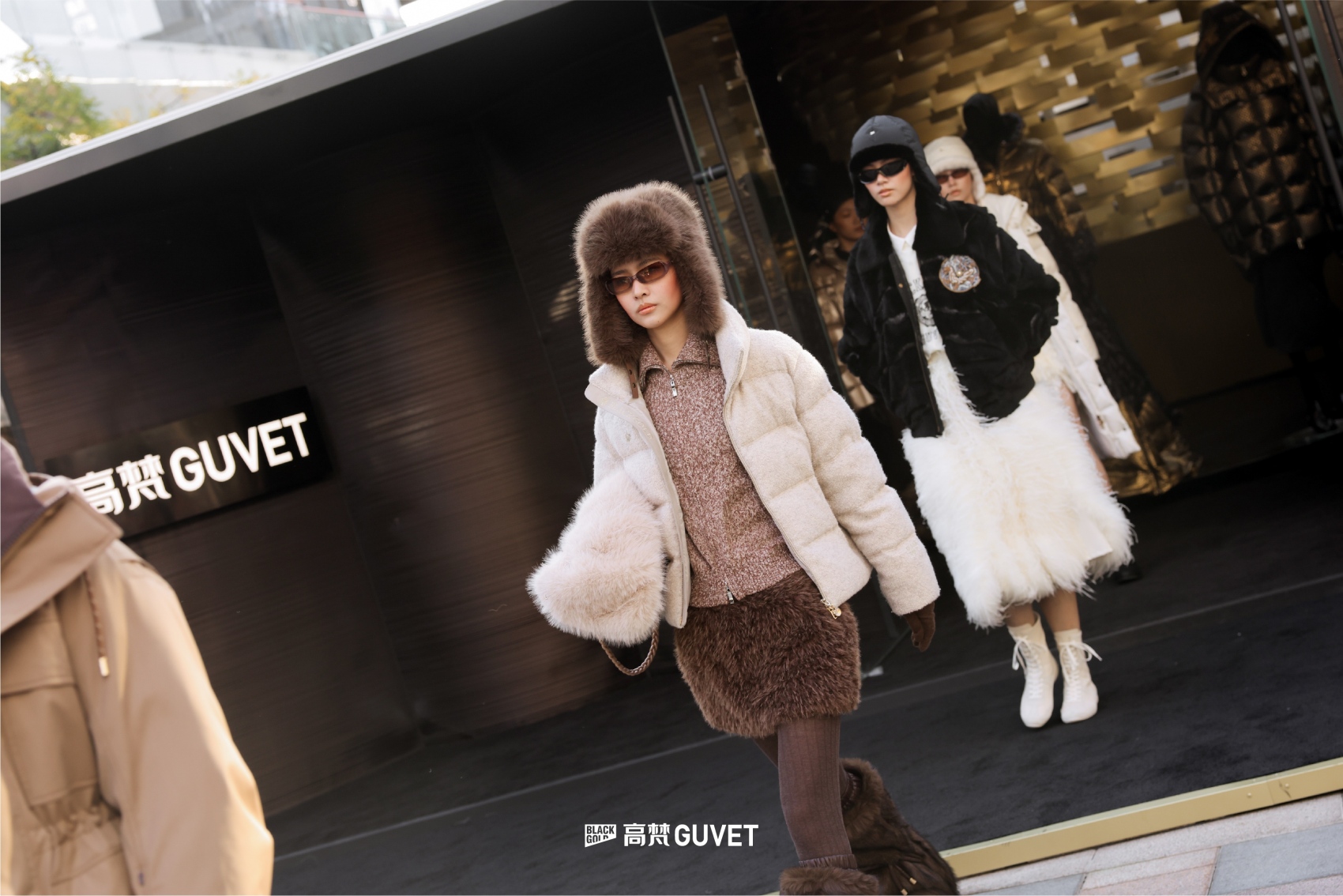
This exhibition, which integrates ancient Chinese mythology and intangible cultural heritage craftsmanship into goose down garments, slowed down and quieted Sanlitun, a place known for its pace.
After the exhibition opened, customers of different nationalities and ages stopped before the display cases and asked questions. Seeing this, Wu Jian'an remarked:
"Eastern aesthetics do not need to be simplified first into a set of easily explained symbols. Let people come close to the works, see the materials, and also feel the time and craft invested in them—and the exchange has already begun."
1. Consumer Expectations, the Vitality of Luxury Retail—Chinese Brands and Local Content
What contemporary high-end consumers focus on is shifting. On the one hand, they value the value of craftsmanship itself more, and no longer readily pay a premium for symbols and fame; on the other hand, they expect deep resonance with Chinese culture and Chinese aesthetics. This structural shift from "symbol consumption" to "value consumption" is changing the way high-end brands compete.
At the same time, Chinese companies have begun to build high-end brands with more refined craftsmanship and a slower pace, attempting to offer, beyond materials and logos, a cultural depth that can be perceived.
For luxury retail complexes, this change means a recalibration of leasing logic. The core storefronts and atrium resources of leading commercial complexes were once dominated by international brands for a long time; when international luxury brands are no longer the sole guarantee of foot traffic and buzz, malls need to find brands that come with their own content and can awaken the vitality of the space.
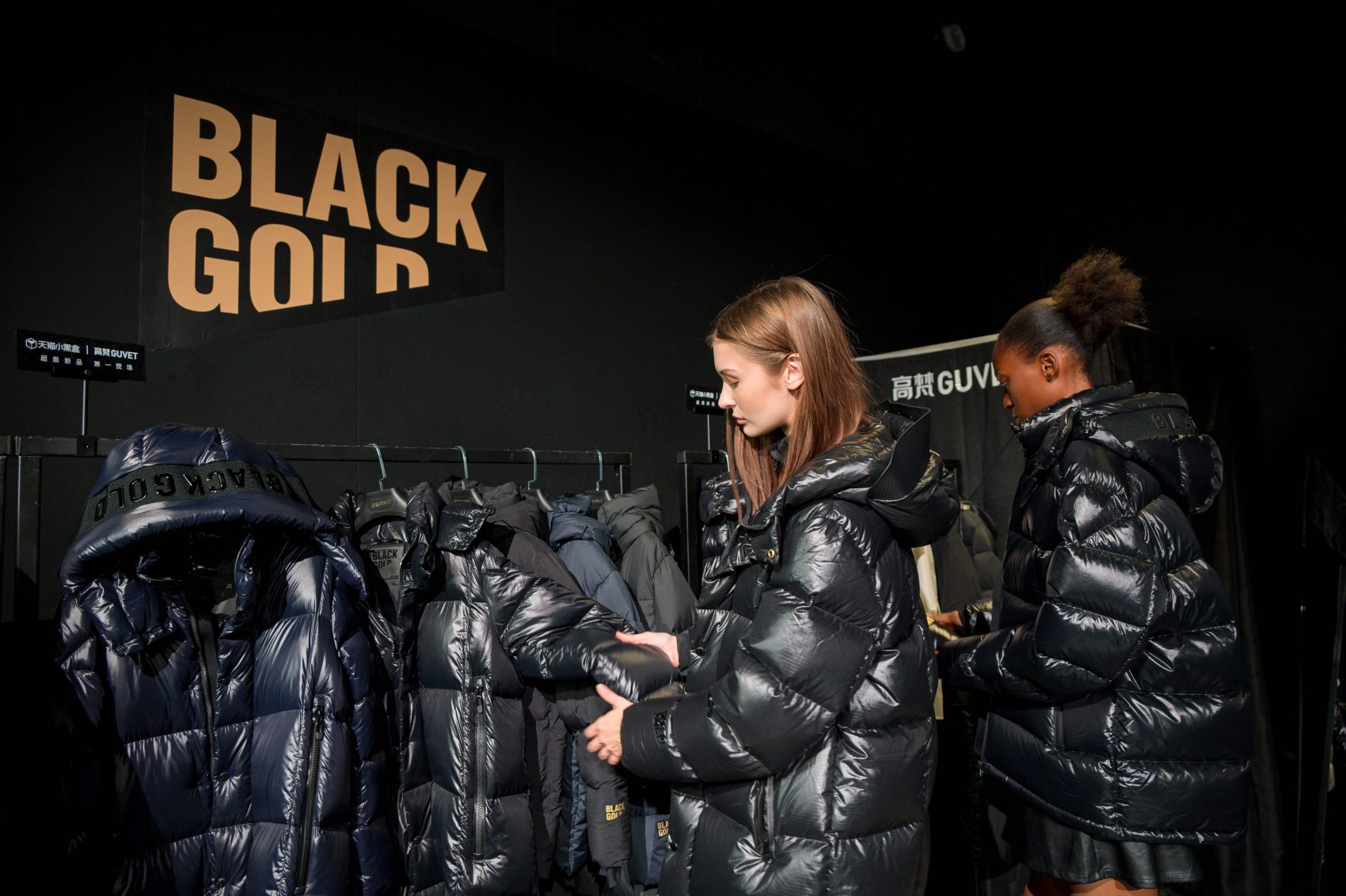
JLL data shows that in 2025 the effective ground-floor rent of prime retail properties in Beijing fell 9.5% year on year, while retail sales at Taikoo Li Sanlitun rose 11% over the same period, with an occupancy rate of 99%. Behind these counter-trend figures, the upgrading of the South and West Zones, adjustments to brand positioning, and the opening of new flagship stores and pop-ups were explicitly cited by Swire as drivers of foot traffic.
The South Zone of Taikoo Li Sanlitun itself draws its block layout inspiration from "Beijing's hutongs and courtyard houses," retaining flexible spaces such as street-side terraces—essentially reserving an interface for "linking local culture and lifestyle." In such a setting, what a Chinese brand with craftsmanship depth and cultural storytelling ability offers is not just a product, but a piece of content that can only happen on site.
GOLDFARM's entry into this field of view is no accident. It has already opened in La Samaritaine in Paris, Beijing China Central Place and Hangzhou Tower in China, and has confirmed its entry into Taikoo Li Sanlitun, sharing a core setting with international brands such as LV, Dior and Tiffany.
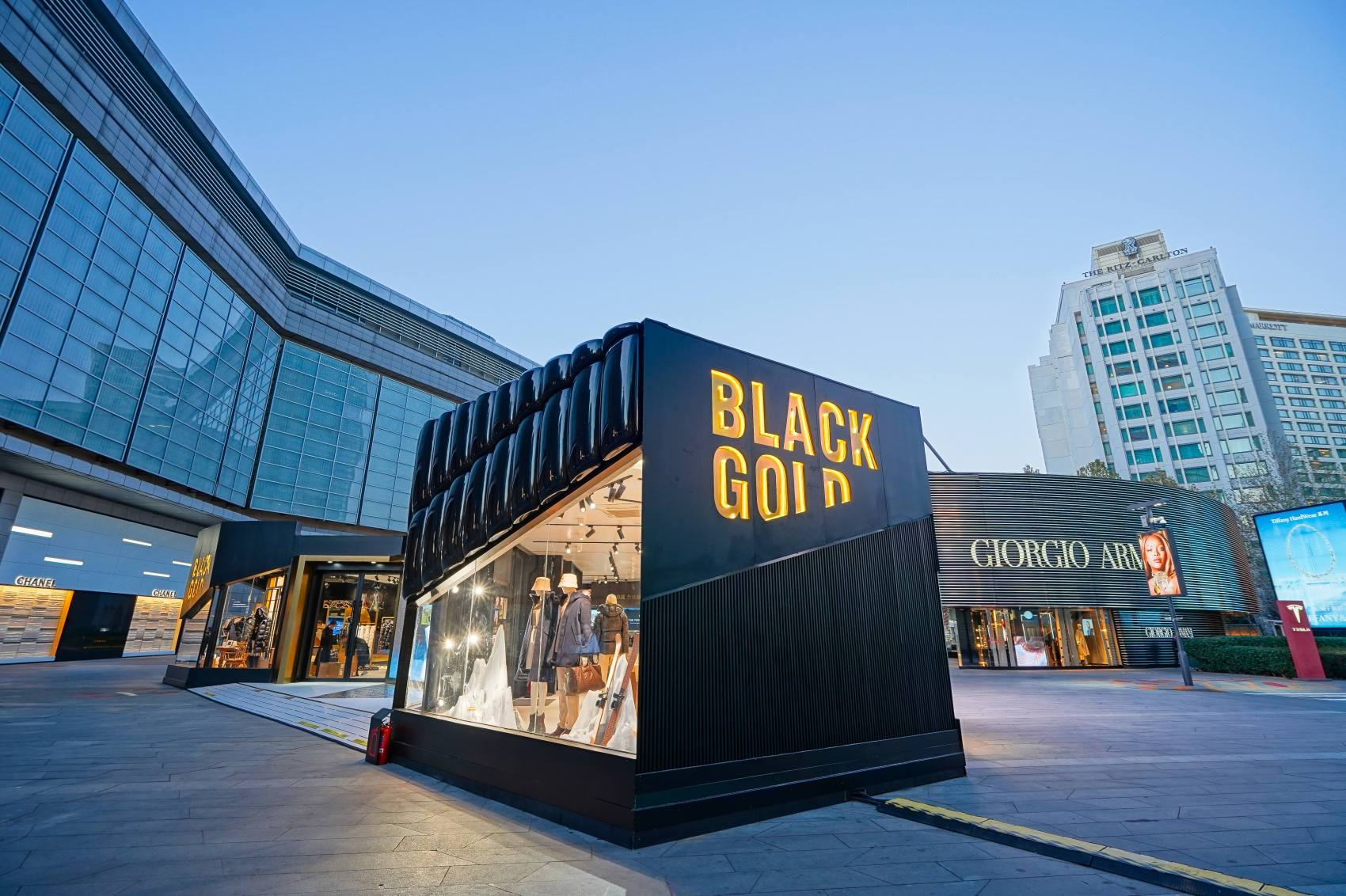
More noteworthy is the proactive stance of the malls themselves: Hangzhou Tower has built a "golden value corridor" of Chinese high-end brands around GOLDFARM, Laopu Gold and Huawei, placing local high-end brands at the core of the commercial ecosystem through category synergy. Jin Ming, Executive Deputy General Manager of Hangzhou Tower, put it rather directly: "A truly healthy high-end commercial system must be diverse, symbiotic and full of contemporary vitality. International top brands form the cornerstone of the ecosystem, while Chinese high-end brands such as GOLDFARM, Laopu Gold and Huawei inject new innovative momentum and the spirit of the times, becoming value pioneers within the ecosystem."
In this sense, the South Atrium of Sanlitun handing the stage to GOLDFARM is both a confirmation of a brand's channel momentum and a move by luxury retail in the competition for "new content": when consumers' expectations shift from "what brand do I see" to "what do I feel," the party that can offer time, craft and local storytelling is more likely to become the source of the next round of commercial vitality.
2. From "Being Present" to "Creating a Scene":The Five-Step Path of Offline Expansion
The channel momentum confirmed by Taikoo Li Sanlitun comes from GOLDFARM's offline expansion in luxury malls over the past two years, and also from its two decades of product accumulation.
"The outside world often calls us a 'dark horse,' but I want to say we are more like an 'old horse.'" Wu Kunming, founder and chairman of GOLDFARM, once said in an interview with Luxe.Co.
Founded in 2004, the brand started out in traditional high-end department stores and later built up a large user base and following online. In 2021, GOLDFARM pioneered the black-gold goose down garment, and after four iterations it became the brand's "black-gold standard," with "BLACKGOLD" also expanding into a brand asset covering GOLDFARM's full product line.
In 2024, GOLDFARM strategically returned to offline retail, setting out a method of "key-node deployment": not pursuing rapid growth in store numbers, with every expansion based on a "sustainable single-store profit model." Under this principle, GOLDFARM's offline expansion over the past two years has gone through five steps: being present, expanding the scene, gaining a firm foothold, creating a scene, and forming a network.
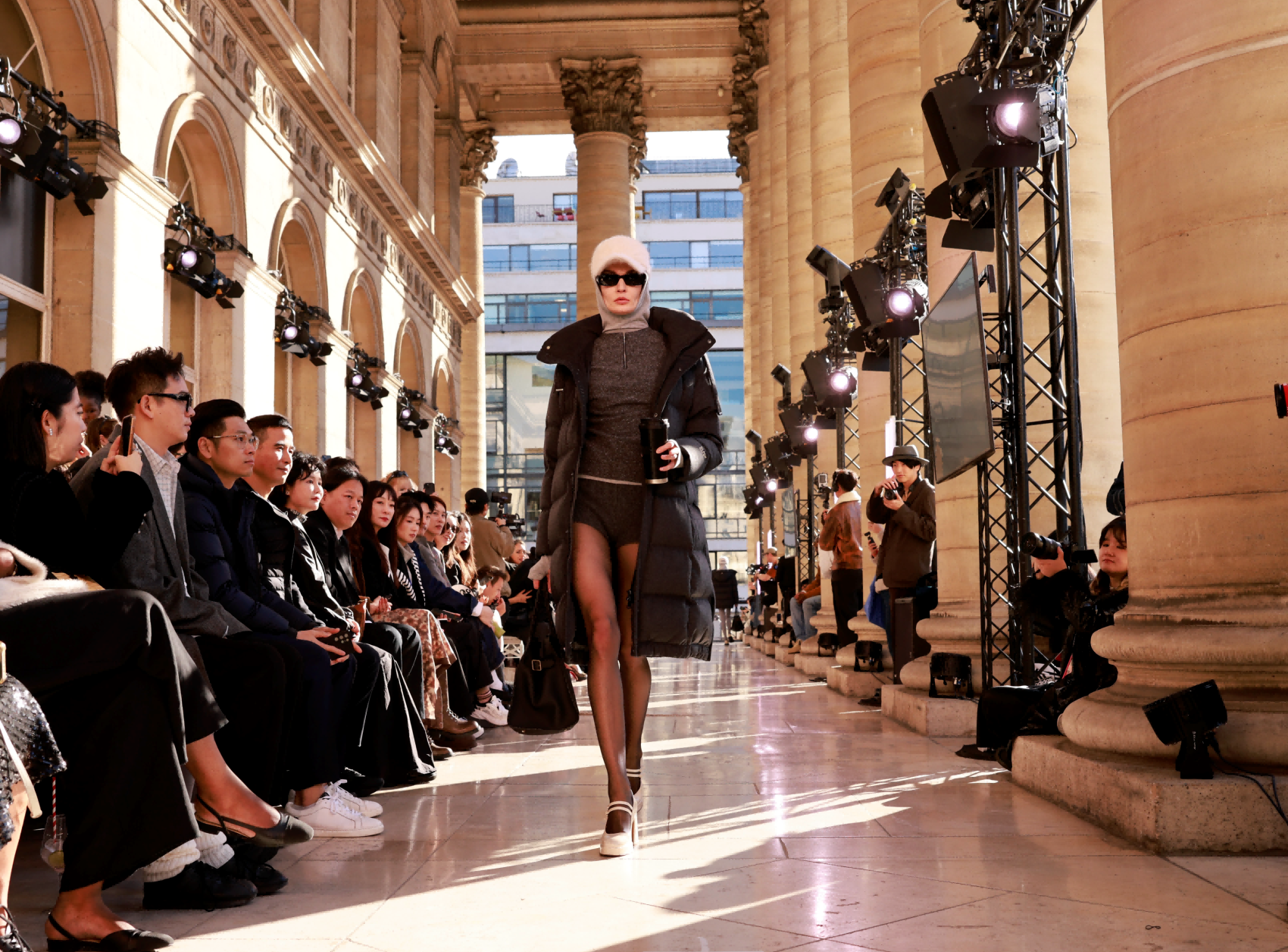
The first step is "being present." In September 2024, the black-gold goose down garment, iterated to 4.0, appeared at Paris Fashion Week with intangible cultural heritage Miao embroidery; in the fall/winter of the same year, GOLDFARM opened pop-up boutiques at La Samaritaine in Paris and Beijing China Central Place in China. Both are places where luxury consumption is highly concentrated, and GOLDFARM thus entered the view of luxury consumers.
Once seen, what needed to be verified was whether this awareness could translate into a sustainable offline business. GOLDFARM's choice was to "expand the scene": starting in September 2025, it opened 13 stores in succession across 7 cities nationwide, covering core commercial districts in cities such as Beijing, Changsha and Chongqing, with all stores located on the ground floor, adjacent to international luxury brands and high-end fashion brands; it later entered high-cold cities such as Shenyang and Harbin, directly targeting consumers with higher performance requirements for goose down garments. The first black-gold Yunjin (brocade) series launched in October of the same year sold out shortly after going on sale, providing product support for store expansion.
The result: these offline stores opened in the fall/winter of 2025 achieved combined sales of over RMB 100 million within three months of opening, with stores such as Beijing Hopson One averaging a transaction value of RMB 3,000–5,000, validating the "sustainable single-store profit model."
The business was validated, but winter pop-up flagship stores and boutiques open and close with the sales season, and the brand still lacked a long-term foothold in luxury malls. In January this year, GOLDFARM entered Hangzhou Tower, entering the "gaining a firm foothold" stage. This boutique is located in the city where the brand's headquarters are based, in the mall's luxury zone, and is GOLDFARM's first long-term foothold in a luxury retail complex, extending its offline presence from pop-up spaces to long-term stores.
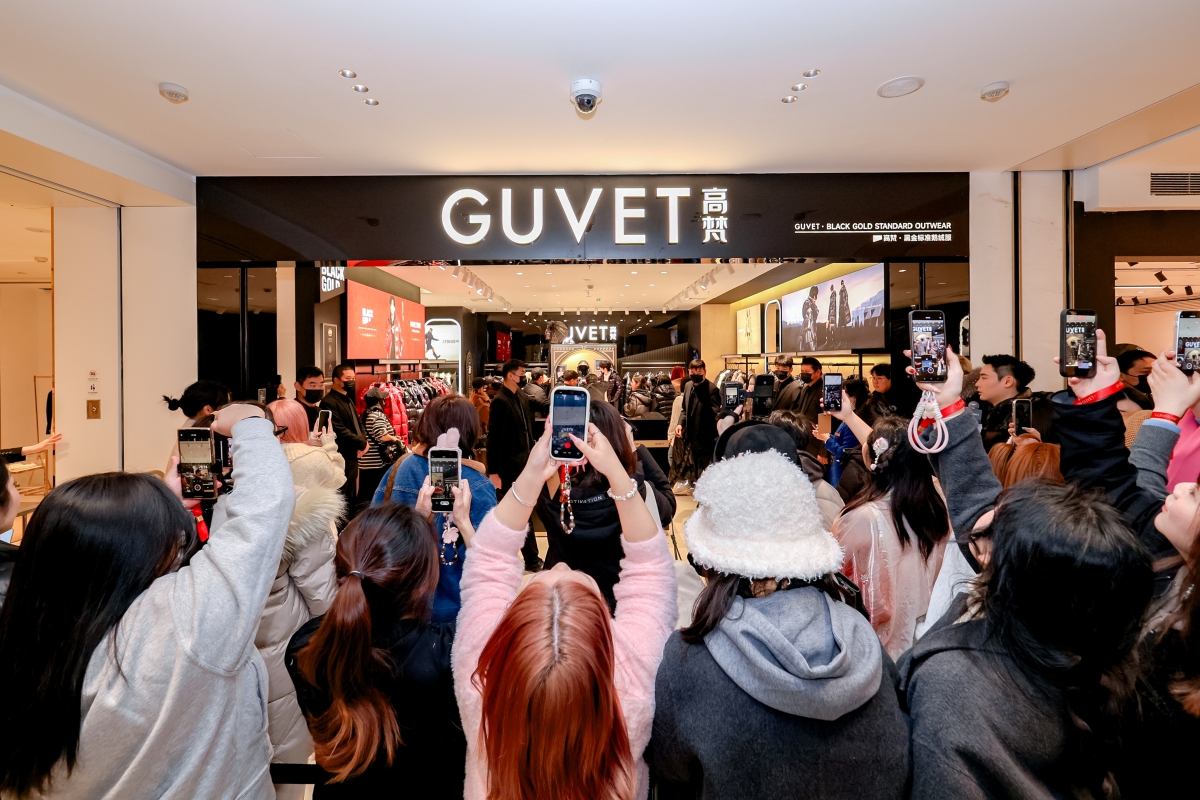
With a long-term foothold in place, GOLDFARM took its fourth step in Sanlitun. "Being present" addresses a brand's entry into a mall, while "creating a scene" makes the space itself attractive, extending the store from completing transactions to building long-term relationships with customers.
As Luxe.Co understands it, Sanlitun's "scene creation" is the natural result of GOLDFARM's two years of accumulation: in luxury malls, the brand has successively established awareness, business performance and a long-term foothold; at the product level, "one year, one intangible cultural heritage" has successively introduced Miao embroidery in 2024 and Yunjin in 2025, and this year it has used the craftsmanship of "SHANG XIA" to launch the Oriental Haute Couture Goose Down Collection, giving "BLACKGOLD" considerable cultural content that can meet the content needs of the renewed Taikoo Li Sanlitun.
Taikoo Li Sanlitun is also one stop in GOLDFARM's collective appearance at 7 major luxury retail venues nationwide in this round, the other six being Hangzhou Tower, Shenyang MixC, Nanjing Deji Plaza, Sanya International Duty Free City, Beijing Capital International Airport Terminal 2 and Zhengzhou Dennis David City. Moving from creating a scene in one place to "forming a network" is the fifth step.
3. Co-Branded Collection and Content Supply:Why GOLDFARM Created an Oriental Cultural Space in Sanlitun
In Sanlitun, GOLDFARM's "scene creation" begins with a group of works. Under the theme "Between Splendor and Brocade, Together Guarding Oriental Time," GOLDFARM used the craftsmanship of the Oriental lifestyle brand "SHANG XIA" to launch the GOLDFARM × SHANG XIA Oriental Haute Couture Goose Down co-branded collection: inspired by six auspicious beasts—the Azure Dragon, White Tiger, Vermilion Bird, Black Tortoise, Qilin and Pixiu—with six designs and 24 pieces in total, as a limited collection, not released as regular merchandise.
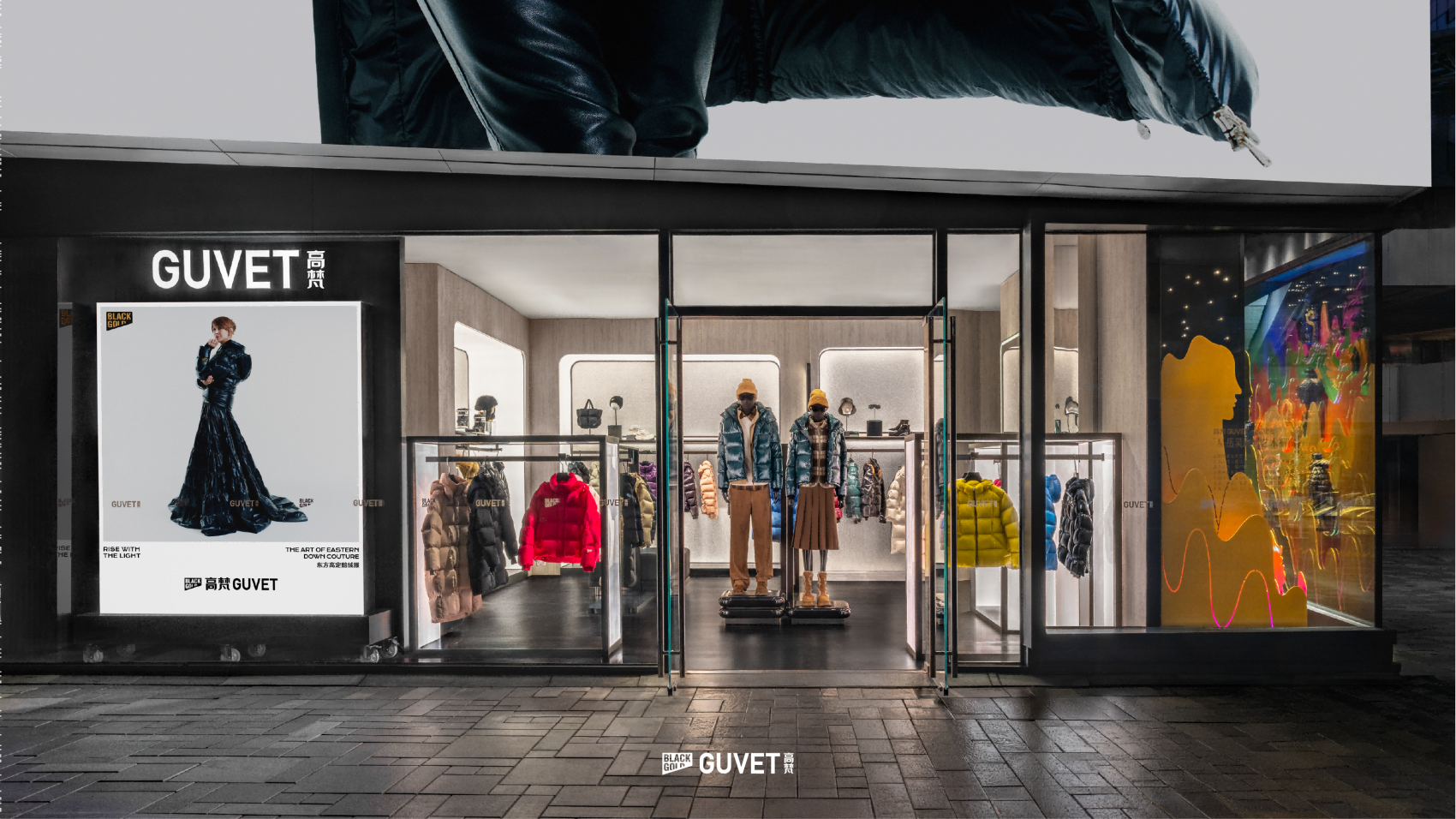
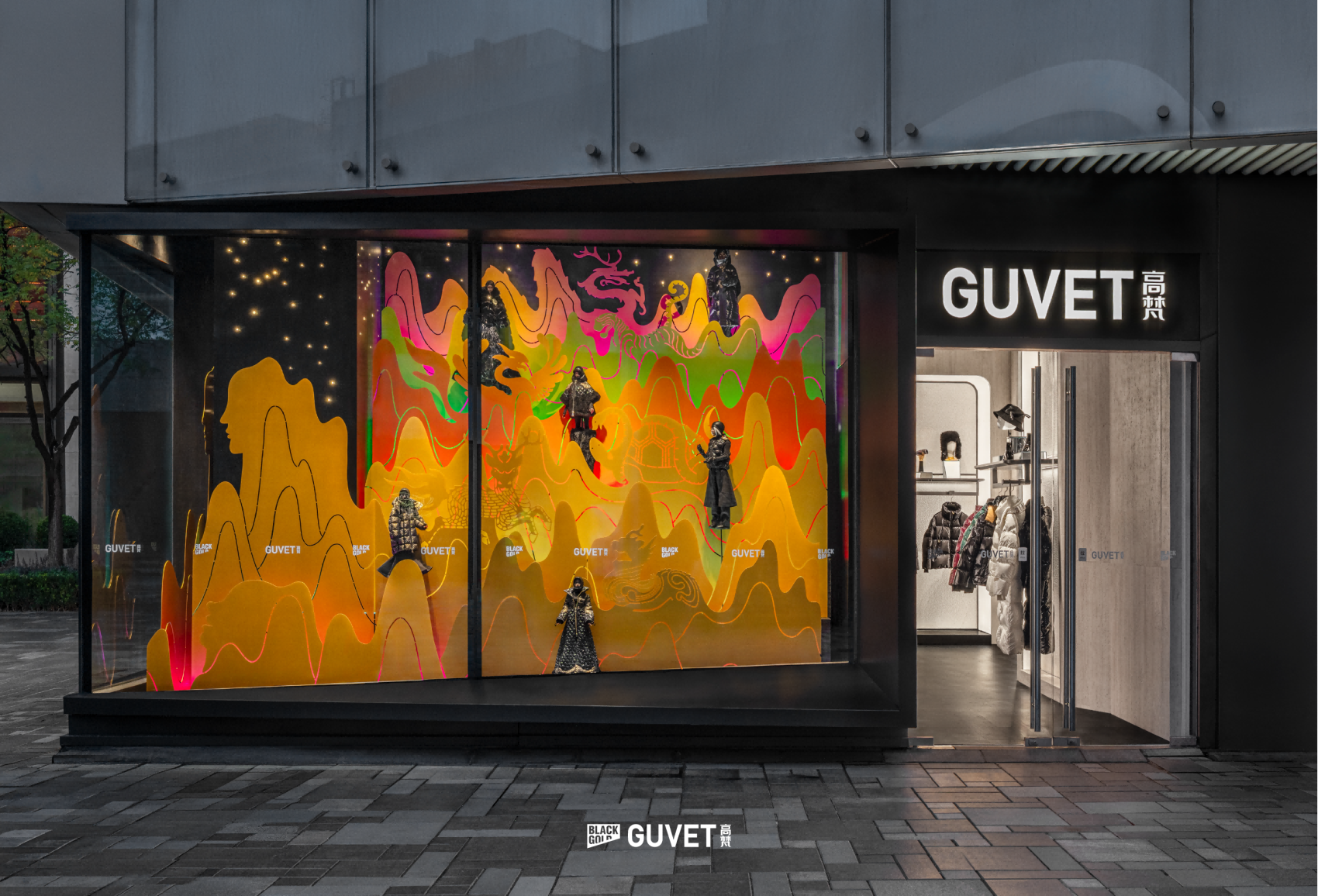
Both the window displays and the exhibition are built around this group of works. On October 25, the GOLDFARM Beijing Taikoo Li Sanlitun pop-up boutique opened, and Wu Jian'an, inspired by the six auspicious beasts, created for it the themed art window "Traces of the Starry Peaks", incorporating mountains, the six beasts and constellations such as the Big Dipper, Orion and Cygnus into the image; from October 29, the collection exhibition was displayed in the South Atrium, divided into six units—Rise, Gather, Lean, Fly, Reflect and Return—following the flow of daylight over the course of a day.
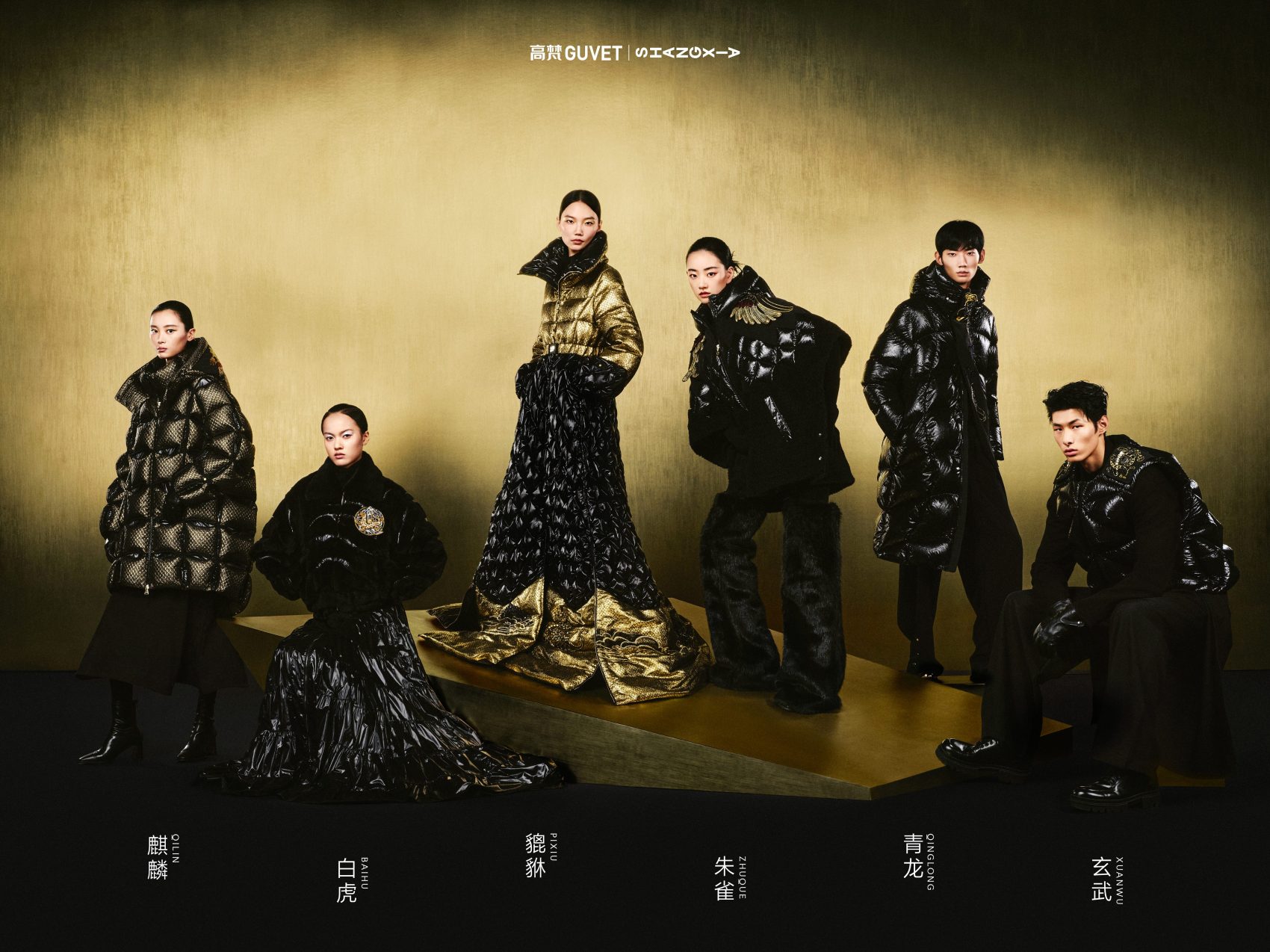
In a space where non-sale works are the protagonists, the commercial role is to lay out the value of a high-end goose down garment in full.
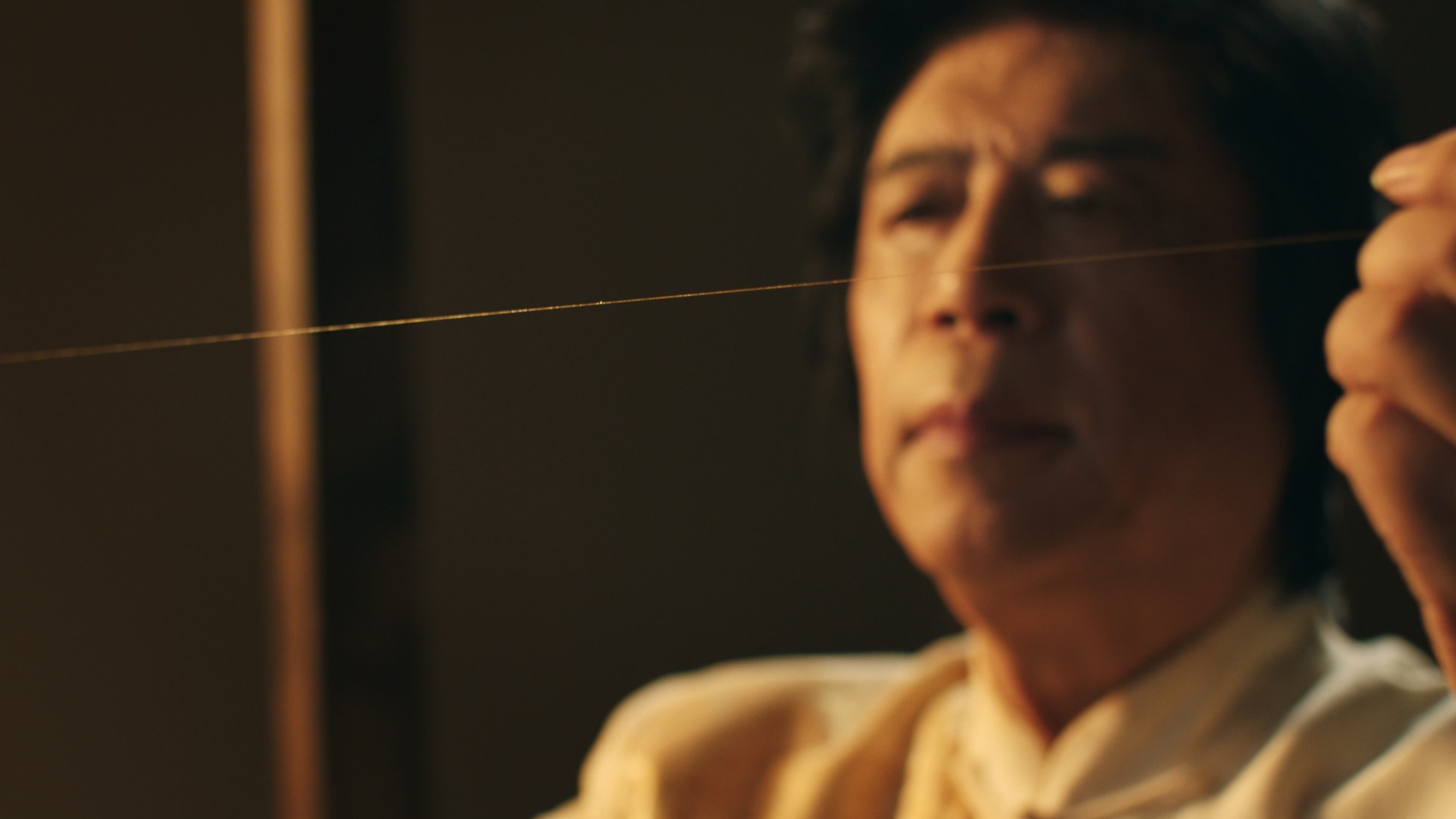
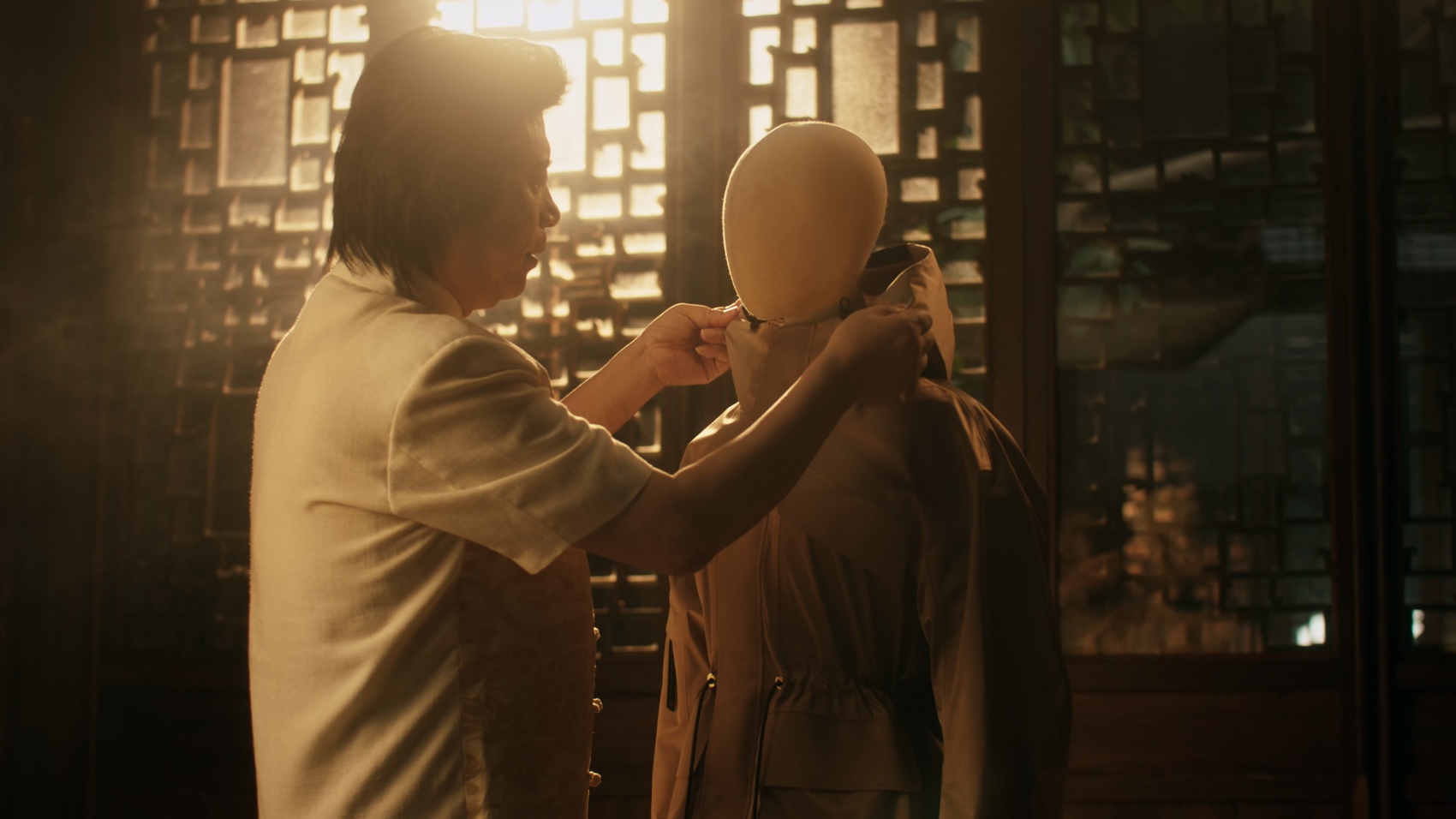
The outer layer is a layering of several crafts. The fabric of the Pixiu style uses a full 4 meters of Nanjing genuine-gold Yunjin, made by Jin Wen, a Chinese Arts and Crafts Master and national-level inheritor of intangible cultural heritage Yunjin; this fabric, long known as "an inch of brocade, an inch of gold," requires a drawloom operator and a weaver working together on a large drawloom, and even then at most only 3 to 5 centimeters can be woven in a day, after which it undergoes 50 days of hand embroidery and pleating. SHANG XIA's signature eggshell lacquer originally involves crushing eggshells and inlaying them piece by piece onto a lacquered surface; on GOLDFARM's fabric, it is instead screen-printed piece by piece to create an ice-crackle texture.
Inside is 1000-fill-power Flying Sky Down Emperor, a heat-storing gold-film lining inspired by coin patterns, and German gold needles for down-proofing—parts invisible when worn, displayed separately in the "Fly" unit. Splendor on the outside, two decades of goose down expertise on the inside: this is what GOLDFARM calls "cultivated inside and out, and only then does it become BLACKGOLD."
In an environment where images can be reproduced infinitely and information can be accessed at any time, the speed of hand weaving cannot be compressed, and the texture of gold thread and Yunjin is hard to convey through a screen—it needs to be seen and touched on site. At a sharing session in the store on October 30, Wu Jian'an said that when people see something handmade, "they think of it as being completed by another pair of hands, spending time, using the body. That imagination brings a very direct sense of closeness."
The value of handcraft, beyond its scarcity, lies in the sense of authenticity it offers that can be confirmed firsthand—which is also why creating a scene requires a physical space. In the runway show on the opening day, besides the six auspicious beasts, GOLDFARM's Paris Haute Couture series, Yunjin series and ski series currently on sale also appeared together: the collection is not for sale, and it is these series that carry the business.
In the days since the store opened, customers from different countries have often stopped in front of "Traces of the Starry Peaks" to look at the light and shadows and take photos; Linda, GOLDFARM's CMO, said at the sharing session that she had asked colleagues to put up English introductions as soon as possible so that those interested could learn more. Here, the Oriental craftsmanship of a Chinese high-end goose down brand directly faces customers from different cultural backgrounds.
On October 28, GOLDFARM officially announced Sophie Marceau as BLACKGOLD China Brand Ambassador, her first apparel brand endorsement in China; the point of resonance between the two sides is "the sedimentation of time, cultivated inside and out." On the opening day, she spoke about the feeling of first touching and putting on a GOLDFARM Oriental Haute Couture goose down garment: "GOLDFARM has shown me this kind of extreme beauty that transcends borders."

GOLDFARM's expectations for this space are not limited to sales. At the sharing session, Linda mentioned that founder Wu Kunming hopes the team will "express Oriental culture well and let more people know about it."
On the opening day, Wu Kunming and Ma Zedan, General Manager of Taikoo Li Sanlitun, among others, cut the ribbon for the exhibition. For Taikoo Li Sanlitun, this atrium has brought content and a new customer base; for GOLDFARM, it has allowed an Oriental haute couture piece worth approaching and examining closely to be seen by more people. This is a mutual choice between the mall and the brand.
Conclusion
After the opening day, the six co-branded collection pieces will be displayed in the South Atrium until November 11, the pop-up boutique will remain open until November 30, and the appearances at 7 major luxury retail venues nationwide are still underway. The exhibition closes with the "Return" unit, returning to GOLDFARM's two decades of brand archives: from 1000-fill-power goose down to Yunjin woven at 3 to 5 centimeters a day, craft time is transformed into perceptible product differentiation and content supply.
For GOLDFARM, this is a brand event combining cultural storytelling, customer reach and luxury channel synergy; for Taikoo Li Sanlitun, it is a commercial choice to use atrium content to drive quality foot traffic, activate the vitality of the space and build up quality content topics.
What makes GOLDFARM's case worth referencing is not the exhibition itself, but the path it presents for a Chinese high-end brand to continue moving upward and enter the luxury retail arena: the product comes first, then the channel validates it, then content amplifies it, and finally it forms a mutual choice with the commercial complex.
丨Image source: provided by GOLDFARM, official website
丨Editor: Elisa