On November 17, U.S. sportswear giant NIKE held its first investor day in nearly a decade, unveiling its "Full Stride Ahead" strategy, aimed at getting closer to athletes and focusing resources on opportunities with the greatest long-term growth potential.
Since current President and CEO Elliott Hill took office in October 2024, Nike Inc. has been working to repair its relationships with wholesale retail partners, refocus product development on core sports categories, and simplify internal operations. But progress has been slow, with revenue declining in both the wholesale and DTC direct-to-consumer businesses, while the Jordan brand and the sportswear/lifestyle segment have also continued to weaken.
In the first quarter of fiscal 2027 ended August 31, Nike's total revenue came in at $11.213 billion, down 4% year on year; Greater China revenue was $1.18 billion, down 22% year on year. In the China market, Nike has posted declines for nine consecutive quarters.
The company expects that in fiscal 2027 (June 1, 2026 to May 31, 2027 on the calendar), Greater China revenue will decline significantly, remain under pressure in fiscal 2028, and stabilize starting from fiscal 2029. With fiscal 2027 as the baseline, Greater China revenue will be roughly flat from fiscal 2027 to fiscal 2031.
Elliott Hill candidly reviewed the problems that have emerged in the China market during the event.
He said: "At the macro level, our business there had become highly transaction-oriented and overly dependent on a handful of footwear models, while neglecting a focus on sport itself. Combined with the expansion of online channels, over time this led to a state of frequent promotions. This clearly hit local revenue, margins and brand relevance."
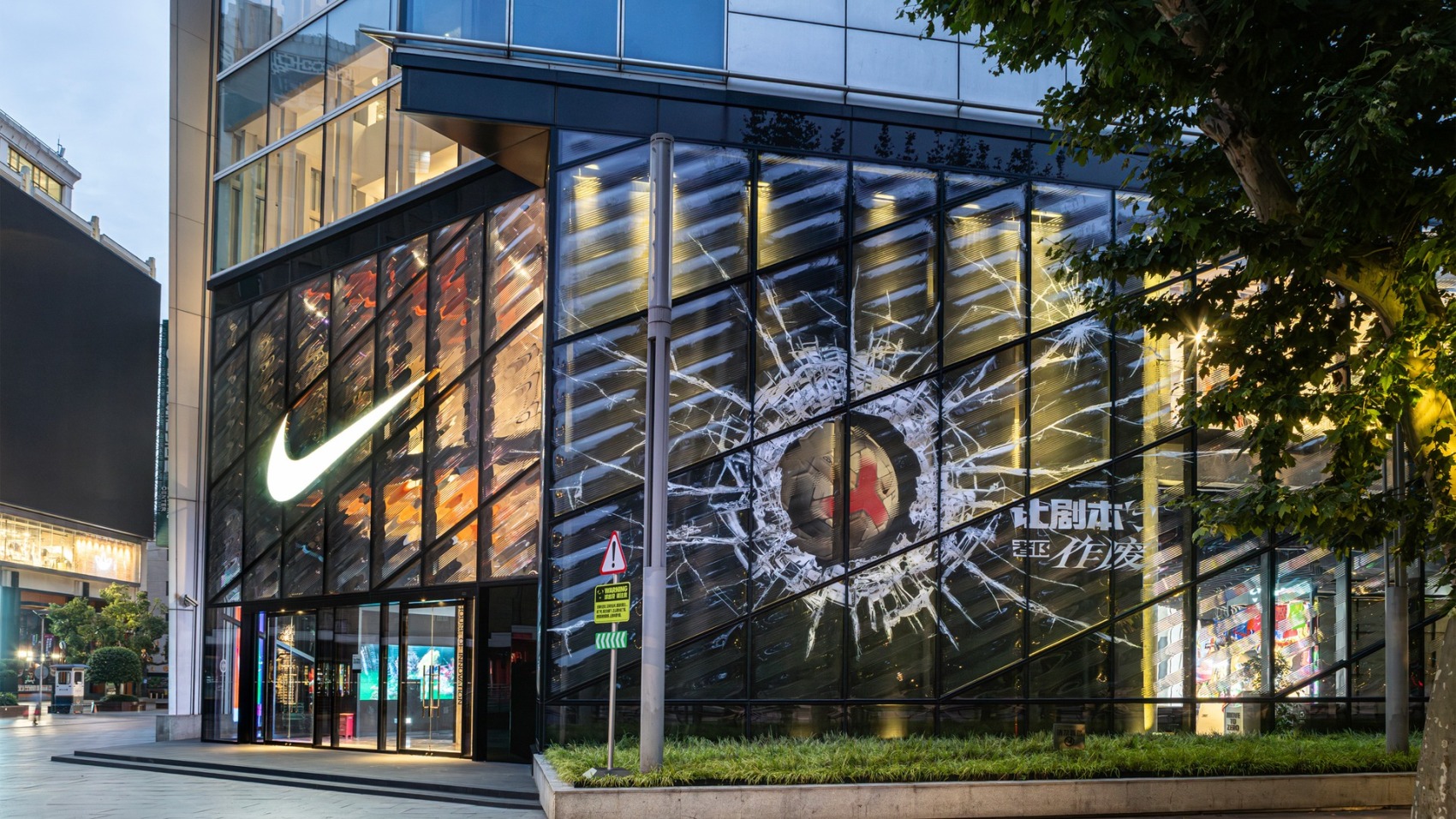
He then introduced a series of measures taken by Cathy Sparks, General Manager of Nike Greater China, since taking office—from sorting out the China business and understanding local consumers to building a local team—and, through the allocation and prioritization of relevant resources, implementing a series of concrete measures, including reducing e-commerce channel touchpoints, upgrading physical retail, and beginning to step up investment on the product side.
"We have been doing business in China for 45 years. We are bullish on the market opportunity here, and you will see us continue to increase our investment in the China market."
Chief Financial Officer Dave Denton added: "We are not making overly aggressive assumptions about growth in the China market. China is our second-largest market globally, and we are investing heavily in the China market. If the China market performs well going forward, that will be an opportunity for us. But we are not betting on any particular region to outperform others, and we are not pinning our fiscal 2031 targets on any single region."
Globally, under the new "Full Stride Ahead" strategy, Nike will concentrate investment in 23 priority country markets.
By business category, Nike will focus resources on two key businesses—Performance Sports and Sportswear. Performance Sports will focus on five major sports: running, training, football, basketball and outdoor, and is expected to become the main growth engine, contributing about $4 billion in incremental revenue; Sportswear covers the three brands Nike Sportswear, Jordan and Converse, and is expected to contribute about $1 billion in incremental revenue.
Nike expects that by fiscal 2031, these priority businesses and markets will contribute more than 90% of Nike's revenue growth.
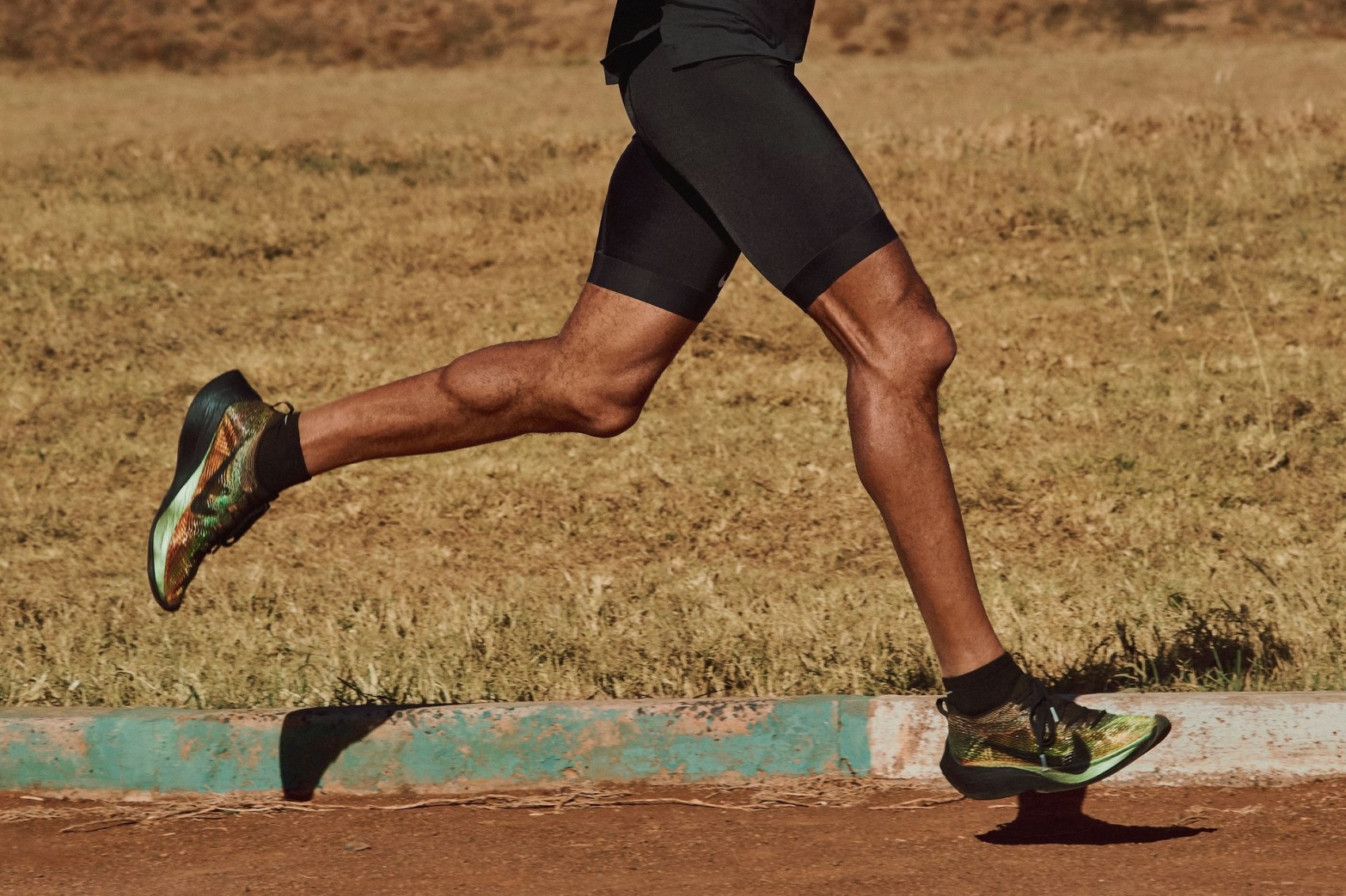
To this end, Nike is advancing three interrelated strategic initiatives:
1. "Innovation Breakthrough": aimed at creating demand through breakthrough innovation, distinctive products, and compelling brand storytelling and experiences that inspire athletes.
Specific directions include:
- Accelerating the "Sport Offense" strategy in priority performance sports.
- Expanding breakthrough innovation into platforms so that athletes in more fields can benefit.
- Bringing more newness, uniqueness and cultural relevance to Nike's Sportswear category.
- Reinventing Jordan's premium positioning and restoring market health.
- Focusing Converse on its lifestyle positioning and strengthening its connection to creative culture.
2. "Deep Connection": aimed at deepening connections with local athletes and communities, and turning insights into more locally relevant products, storytelling and experiences across both online and offline retail channels.
Specific directions include:
- Pushing decision-making authority and resources down closer to priority countries and cities.
- Deepening connections with local athletes and communities.
- Making our brand more vibrant through locally relevant storytelling and experiences.
- Working with market partners to customize product assortments and experiences to local athletes' needs.
- Continuing to advance the Greater China turnaround and accelerating growth in other priority markets.
3. "Fast Action": aimed at capturing more of the demand it creates through faster response and more efficient operations.
Specific directions include:
- Linking demand, inventory, supply and financial decisions through integrated planning.
- Building a more flexible and agile supply network.
- Simplifying and standardizing processes to improve execution and production efficiency.
- Accelerating product creation to bring new innovations to athletes faster.
- Using data, technology and AI to improve decision quality, response speed and operational efficiency.
Elliott Hill said: "The 'Full Stride Ahead' strategy will allow us to serve athletes with a sharper focus, greater speed and stronger execution, and to compete in markets around the world.
We are concentrating resources where we have the best chance to win. At the same time, we are changing the way we operate, by creating breakthrough products, deepening local connections and moving faster to capture market demand. Together, these initiatives will put Nike back on a path of sustainable, profitable growth."
At this investor day, Nike Inc. announced its long-term financial framework, targeting about $5 billion in incremental revenue by fiscal 2031 (June 1, 2026 to May 31, 2027 on the calendar) based on fiscal 2027, with an operating margin target range of 12% to 14%, and adjusted earnings per share (EPS) targeted between $3 and $3.5.
However, Nike expects short-term earnings pressure to persist and maintained its existing guidance: fiscal 2027 revenue will decline by a high single-digit percentage, with the decline narrowing in fiscal 2028.
The company's latest expectations are: for fiscal 2029, revenue growth will be broadly in line with the overall performance footwear and apparel market, and growth will further accelerate in fiscal 2030 and fiscal 2031, outperforming the broader industry.
Mari Shor, a senior equity analyst at Columbia Threadneedle, an asset management firm that holds Nike shares, commented: "This financial guidance is on the aggressive side."
Simeon Siegel, an analyst at Guggenheim Securities, said: "Nike's targets are above previous market expectations. The key now is whether they can be delivered; investors are not yet convinced these targets can be achieved."
As of the close on the day of the investor day, Nike's share price fell 6.3% from the previous day to $35.85 per share, and the stock has fallen about 44% over the past year.
Since Elliott Hill took office in October 2024 and began leading Nike's turnaround, the company's share price has fallen about 56%. Its latest market capitalization is about $53.25 billion, down nearly 80% from its historical peak in November 2021.
|Source: official press release, Nike investor day, Reuters
|Image credit: brand official website
|Editor: LuxeCO