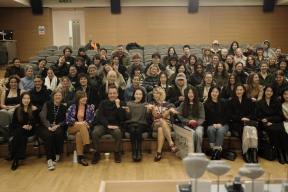
Between luxury jewelry and affordable accessories, the vast Chinese market holds enormous opportunities. But for a long time, this segment has been dominated by overseas brands such as Swarovski and APM Monaco, which have seized the main market share.
However, LuxeCO has observed that during this year's Tmall Double 11, a Chinese designer jewelry brand surpassed the overseas brands that have long topped the charts, and for the first time claimed the No.1 spot in jewelry and accessories industry sales.
Whether it's the earrings worn by Liu Yifei in the hit drama "The Tale of Rose", or the stores opened in landmark malls such as Beijing China World Mall, Nanjing Deji Plaza, and Shenzhen Bay MixC, we can see this brand's presence.
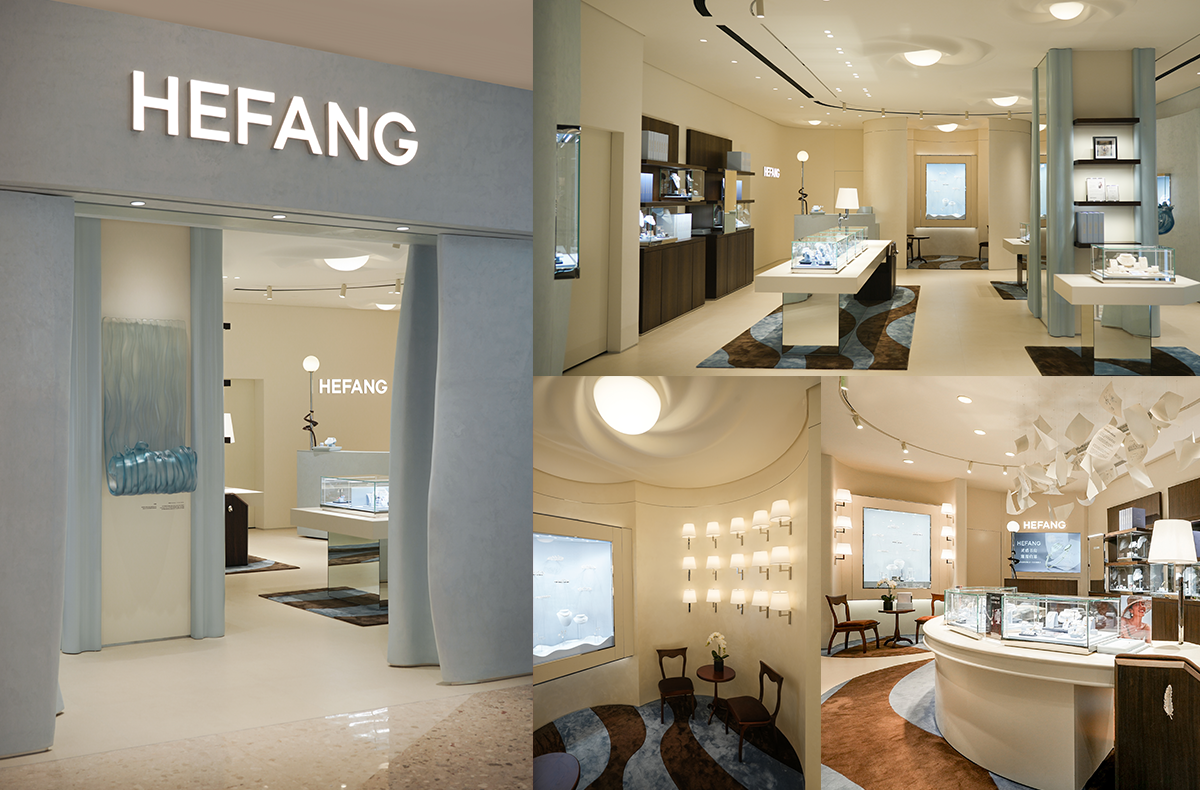
HEFANG Jewelry was founded in 2012 by Chinese designer Sun Hefang, a time when Chinese independent designers were emerging in large numbers. Yet she never confined herself to the niche design field, but actively embraced the broader Chinese affordable luxury jewelry market.
Compared with large well-known brands like Swarovski and APM Monaco, which have 200+ stores in China, HEFANG currently has only opened more than 70 stores. However, because the brand has always focused on strengthening its internal capabilities and understanding the local market and users, it finally achieved this online channel overtake after thirteen years.
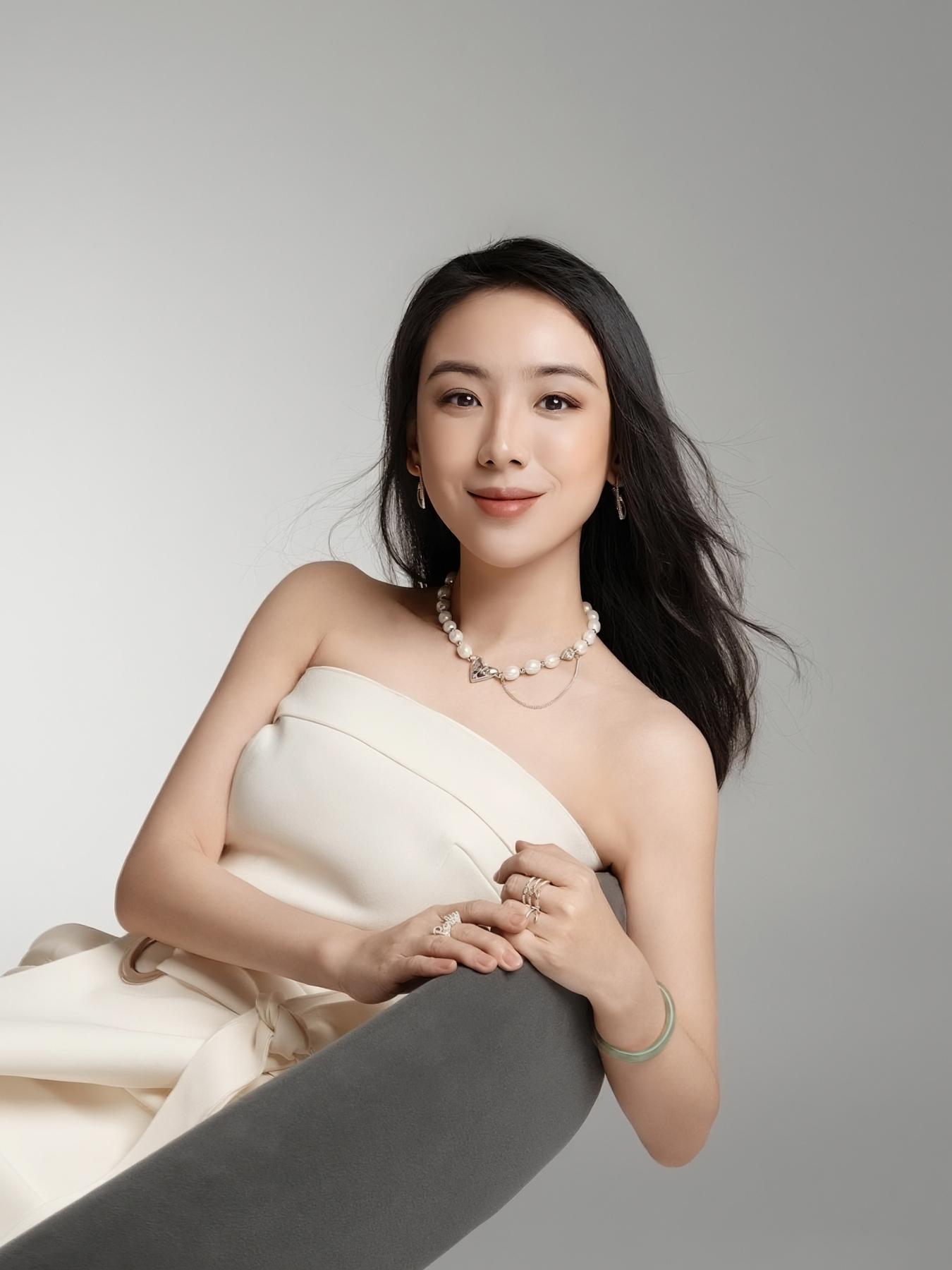
Sun Hefang, founder of HEFANG Jewelry
1. "I want to become a fashion brand representing Chinese designers and Chinese affordable luxury accessories"
Regarding this achievement of topping the Tmall Double 11 jewelry and accessories industry sales, Sun Hefang admitted that it was completely unexpected, and that the brand has long been very restrained in traffic channels such as e-commerce livestreaming by influencers. As founder, she is more concerned about the healthy and stable development of the brand, specifically:
"Products must be excellent, prices must be stable", "channels must be balanced", "products must truly attract consumers", "the business must be able to generate its own cash flow".
Sun Hefang's interest and enlightenment in jewelry from a young age came from the jewelry manufacturing factory established by her mother. The factory's clients include well-known international brands such as Disney. Due to long-term cooperation with European and American markets, it has already established a comprehensive production and quality inspection system that meets international standards.
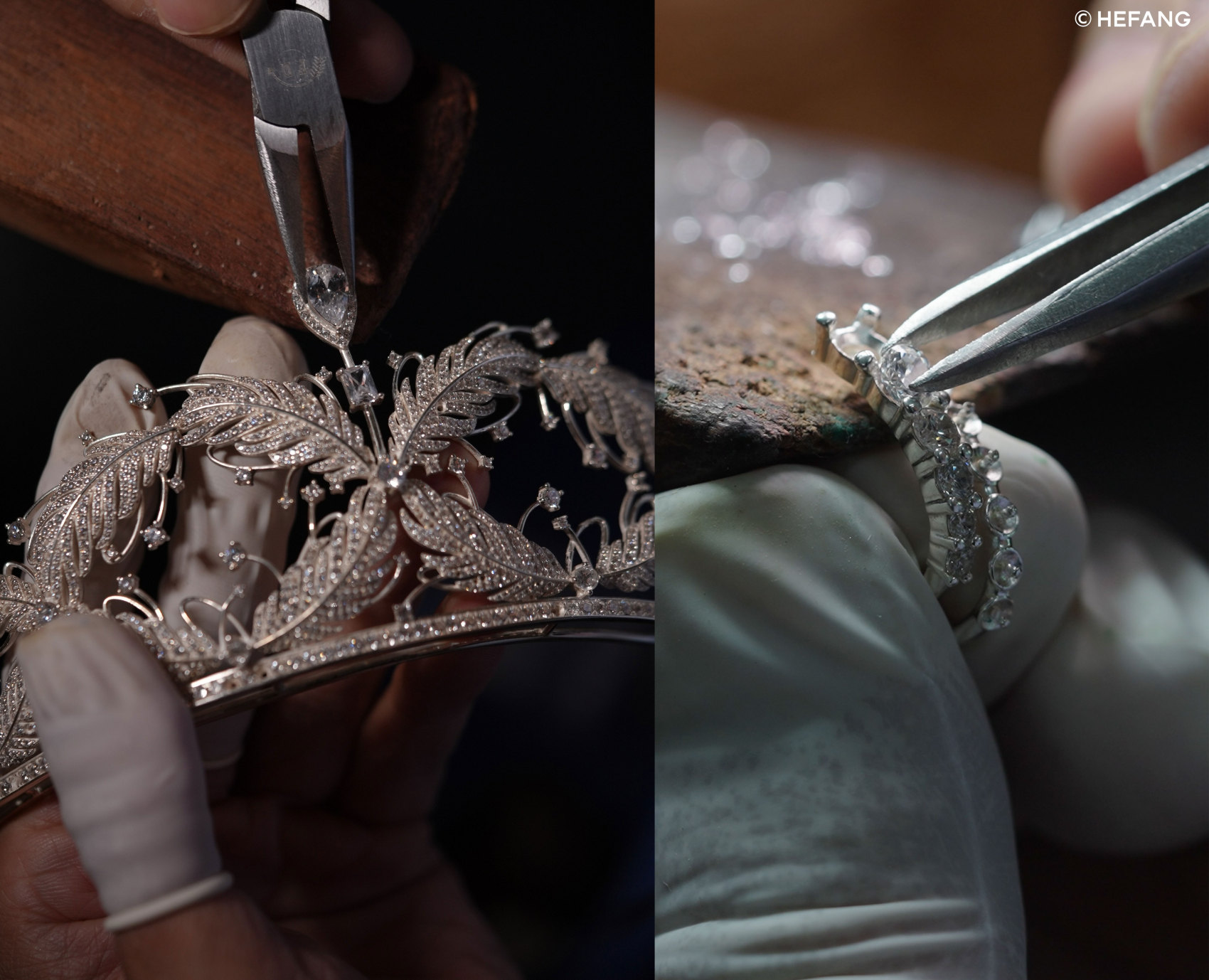
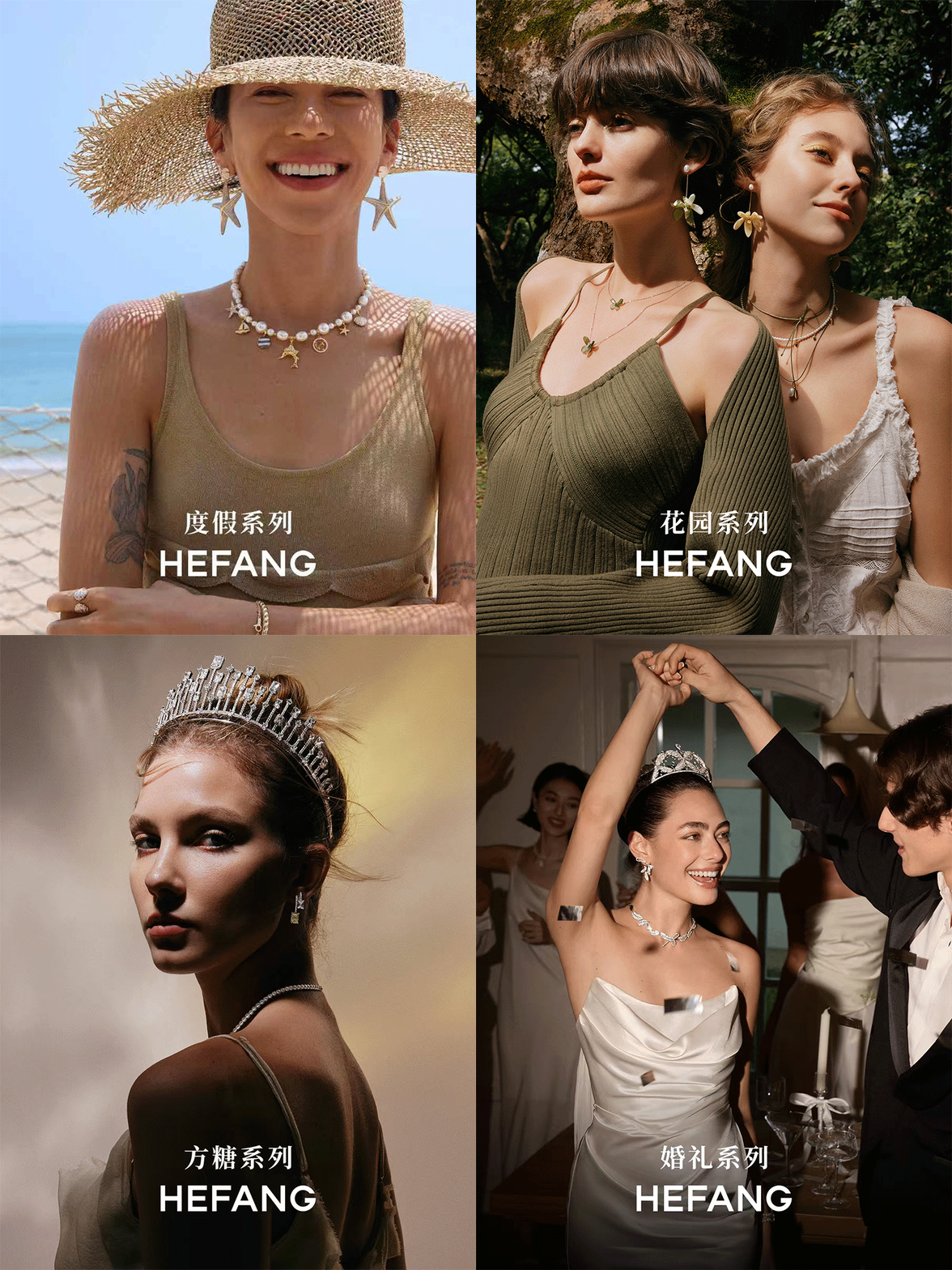
HEFANG wedding crown, bubble double-layer earrings inlay craftsmanship
But running a brand requires far more than just supply chain advantages. Sun Hefang introduced that behind every HEFANG piece that consumers see, there are hundreds of sketches, three to ten rounds of sample modifications, and it must pass voting by internal employees and frontline sales staff. The company has set up a try-on tester position to conduct actual wear tests of new products for one to two weeks, checking the firmness of accessories, wearing comfort, and whether they snag or scratch the skin.
Therefore, international-standard product quality has become the confidence for HEFANG's steady development; conversely, HEFANG's development has also in turn driven the flexibility and transformation of the family's 30-year-old factory manufacturing.
"I want to become a fashion brand representing Chinese designers and Chinese affordable luxury accessories." Both the proprietary supply chain and brand operation are sources of Sun Hefang's self-driven motivation.
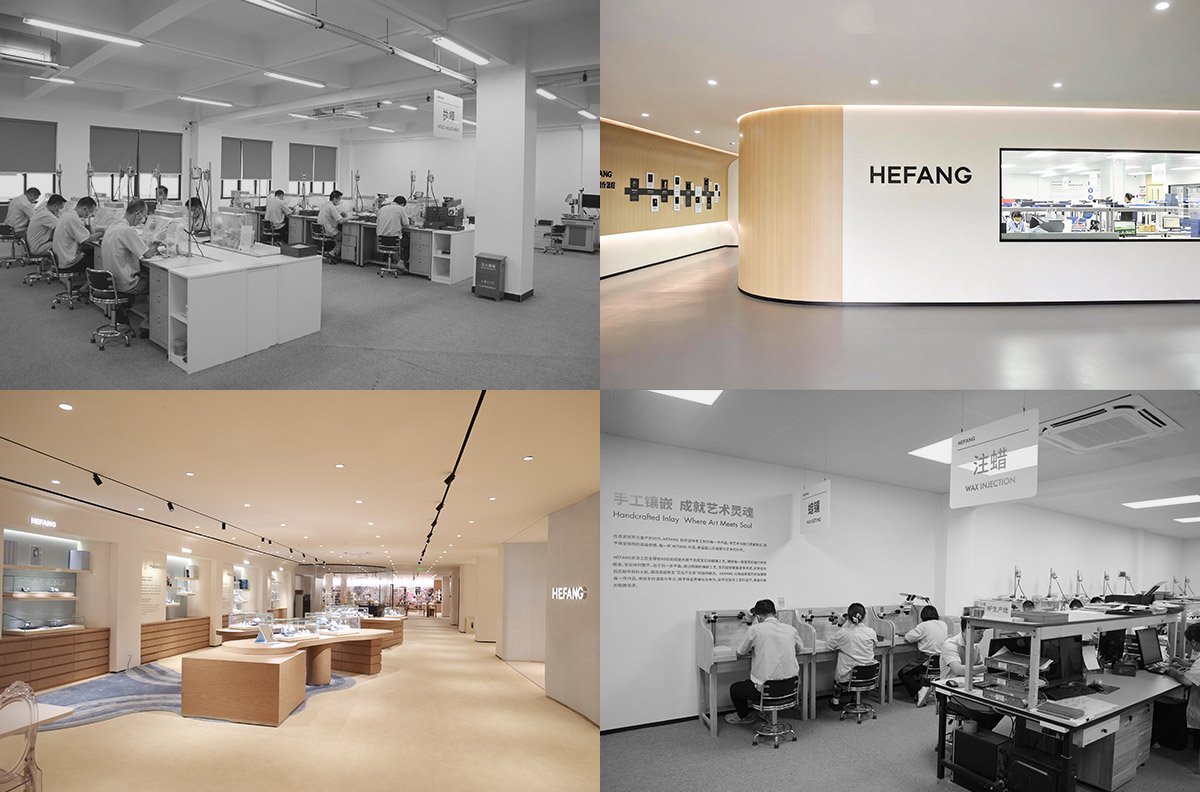
HEFANG brand family's proprietary supply chain
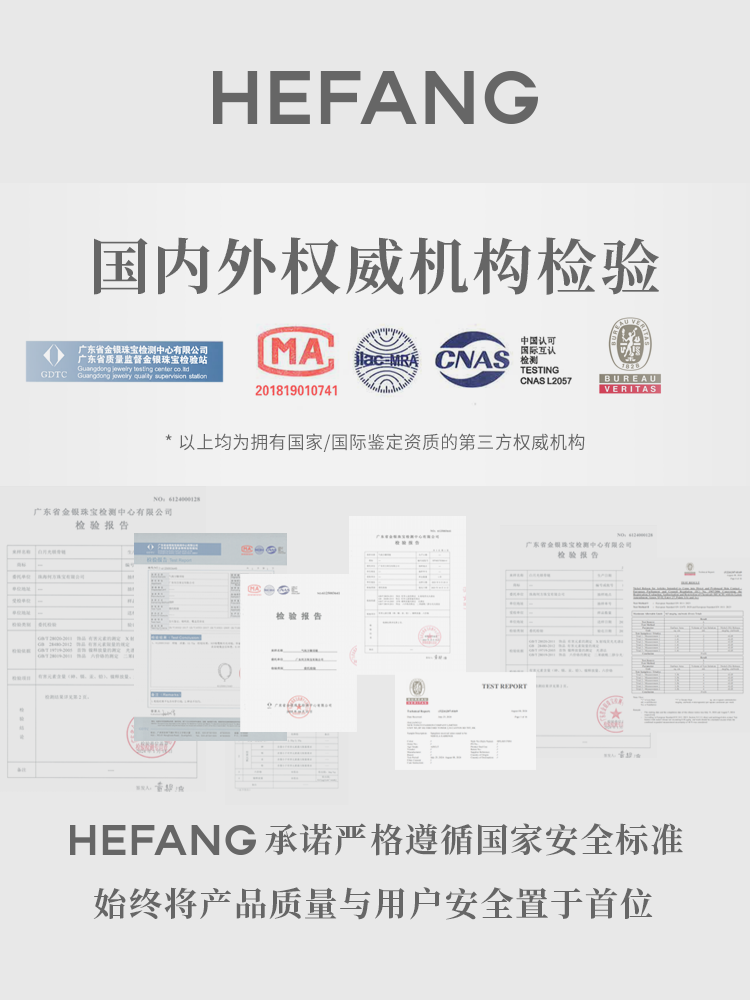
Inspection reports from authoritative domestic and international institutions
Continuous innovation based on product design and supply chain has also laid a key commercial foundation for the success of hit products in the market.
For example, in the hit drama "The Tale of Rose", Liu Yifei's character Huang Yimei wore nearly 20 HEFANG accessories including the Dazzling Nebula earrings; in the variety show "Divas Hit the Road 7", Li Qin and Ma Sichun respectively wore the gray and black "bestie style" Bubble Nebula necklaces. Facing traffic windows, HEFANG can respond quickly and replenish stock in time, truly converting popularity into sales results.
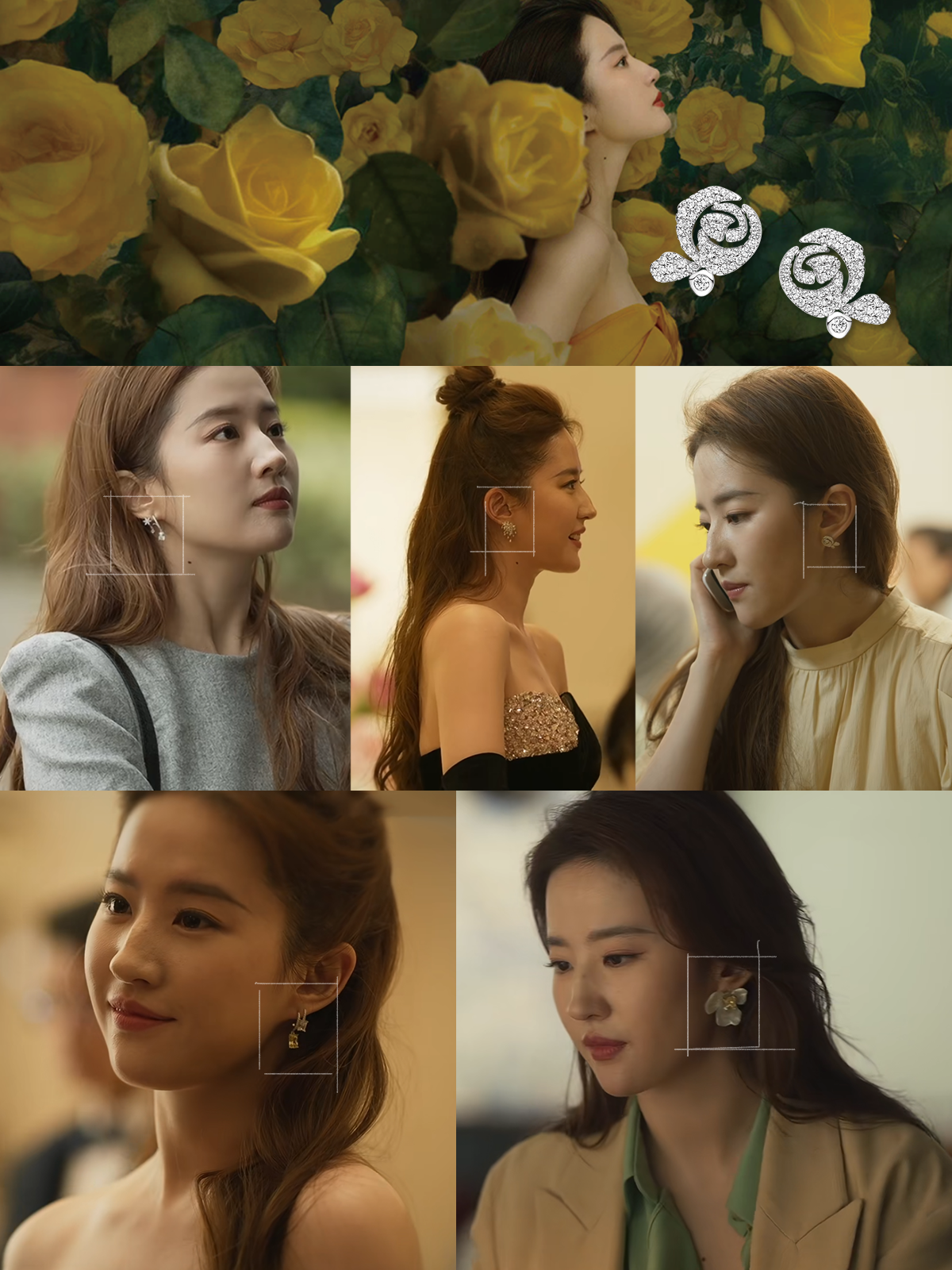
Liu Yifei wore nearly 20 HEFANG earrings in "The Tale of Rose"
2. "Design is always HEFANG's first competitive edge"
The improvement and transformation of Chinese consumption concepts have brought opportunities for Chinese designer brands like HEFANG. People no longer blindly worship overseas brands and show greater acceptance of Chinese brands.
Growing in sync with China's new generation of consumers and meeting their multiple needs for practicality, mix-and-match, and emotional value has helped HEFANG develop rapidly.
Sun Hefang summarizes her design process as a cycle of: "output, listen, reflect, adjust, then output again, listen again, adjust again". Designers output their subjective aesthetic judgments to consumers, and conversely must also listen to and accept consumers' opinions.
This relationship of growing together with users forms HEFANG's unique emotional bond. The two-way interaction with consumers also brings continuous momentum to design.
She emphasizes: "Understanding users and listening to users is also the core of whether a brand can achieve long-term success."
Sun Hefang also sees offline stores as a way to understand users up close. She regularly serves as a one-day store manager, "just wanting to use such opportunities to get in touch with and observe my real consumer users."
In the store, she meets her real users: some collected their first HEFANG pineapple earrings in college and, now married with children and financially independent, continue to repurchase; some proactively bring friends and besties to the store to try on HEFANG products; others have long followed her social media accounts and chat with her about everyday life like old friends when they meet.
Sun Hefang says: "Each piece of jewelry builds a connection and resonance between me and strangers; it's quite magical. The relationship we have with users can be described as a symbiotic relationship where each shines and illuminates the other."
Her design inspiration often comes from daily life: for example, the Royal Tableware series came from the experience of buying souvenirs before returning to China after graduation; the collaboration with Barbie came from playing house with her daughter; in the "HEFANG Inspiration Study" in Beijing Sanlitun, she transformed an open book into a window display, designed the title page and sketches into the ceiling, extending the creative logic of jewelry into the store space and further amplifying the brand's world of inspiration.
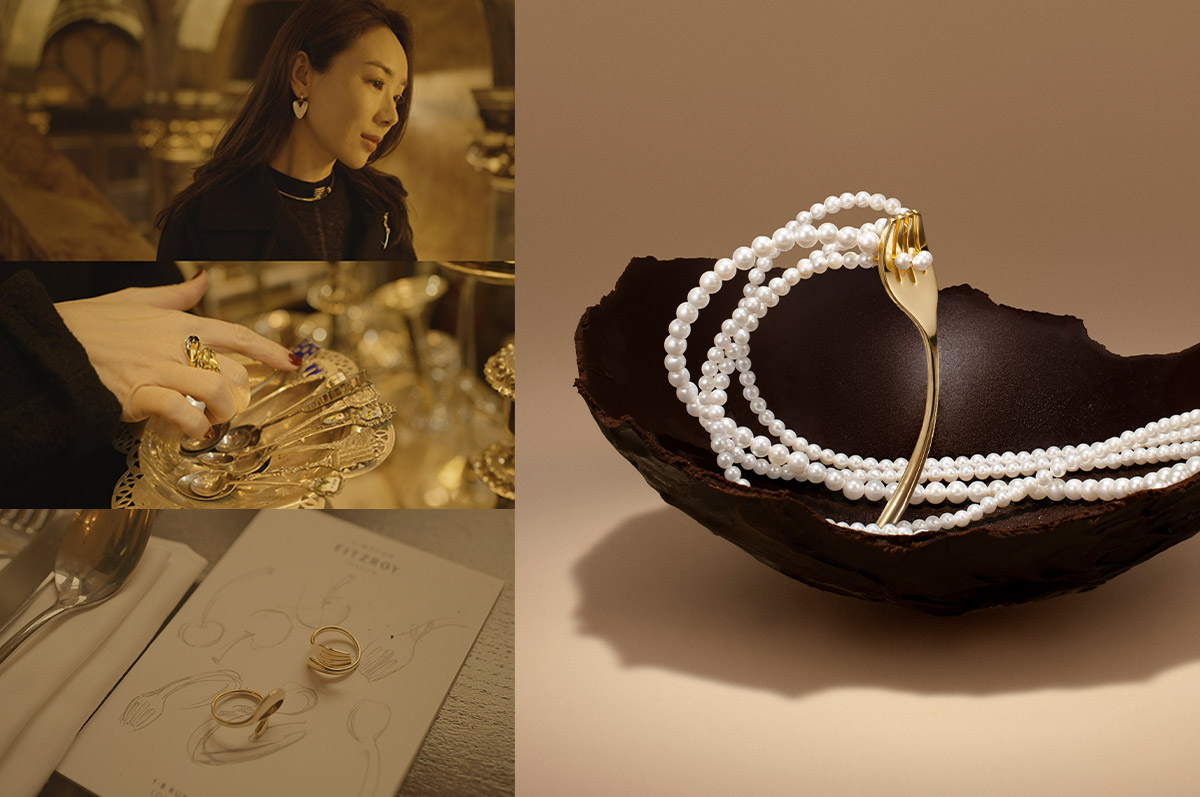
HEFANG Tableware series
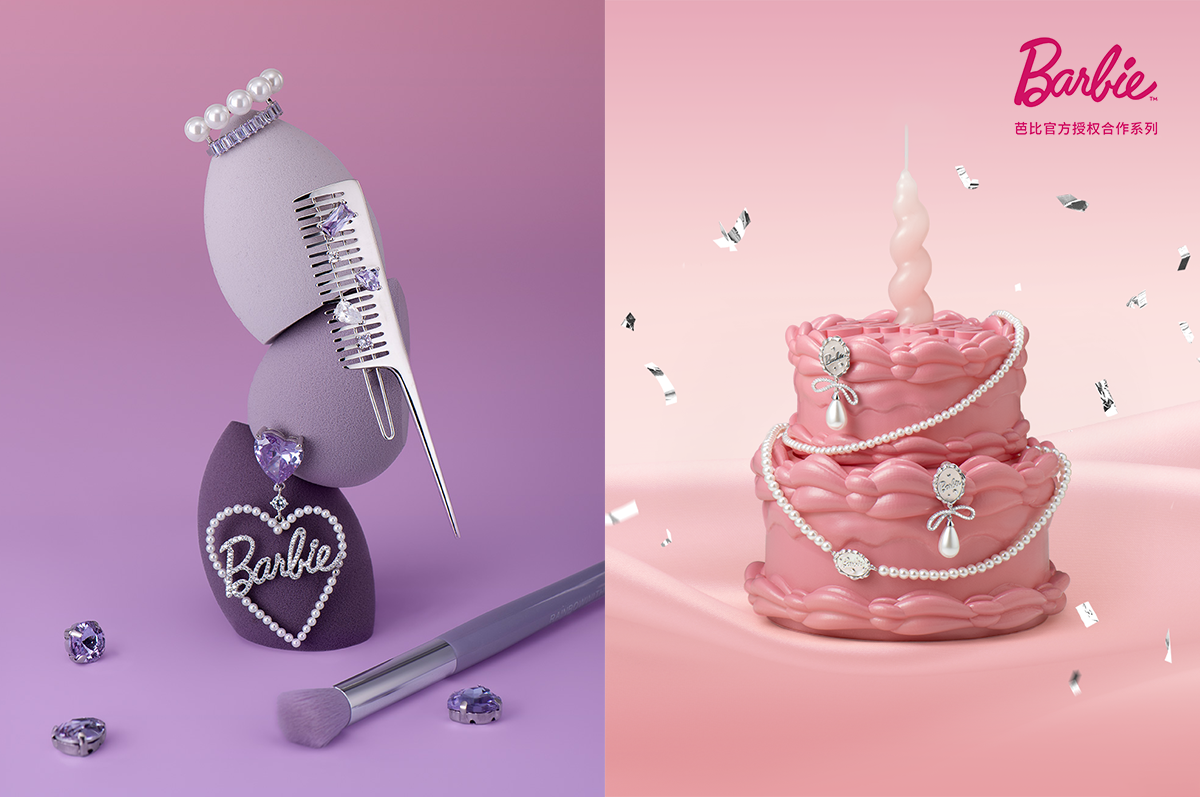
HEFANG×Barbie collaboration series
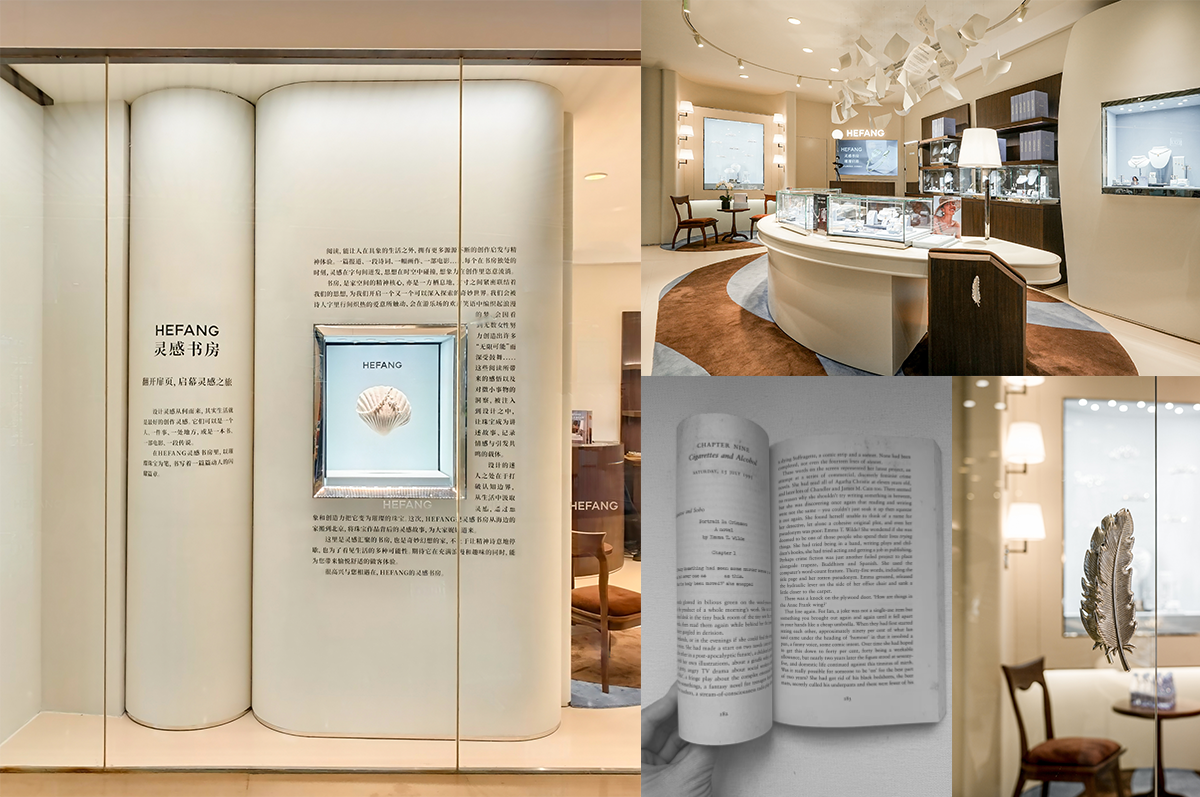
HEFANG Beijing Sanlitun store · Inspiration Study
From the perspective of design expression, HEFANG may be closer to the aesthetic preferences of Chinese consumers.
This is also what Sun Hefang has observed: compared with the more abstract design expressions of overseas jewelry brands, she is better at figurative design, which has become a significant differentiator in HEFANG's product design.
3. "My life has always been about setting goals"
From striving to get into Central Saint Martins College of Art and Design in London, to joining ELLE to accumulate industry experience, to founding her own brand, Sun Hefang describes herself as someone who has always been very goal-oriented.
At the age of 25, she borrowed a half-year credit period from her mother's factory and started her business from scratch. She wore many hats, handling daily HR and financial management, as well as personally participating in store site selection, design, and renovation.
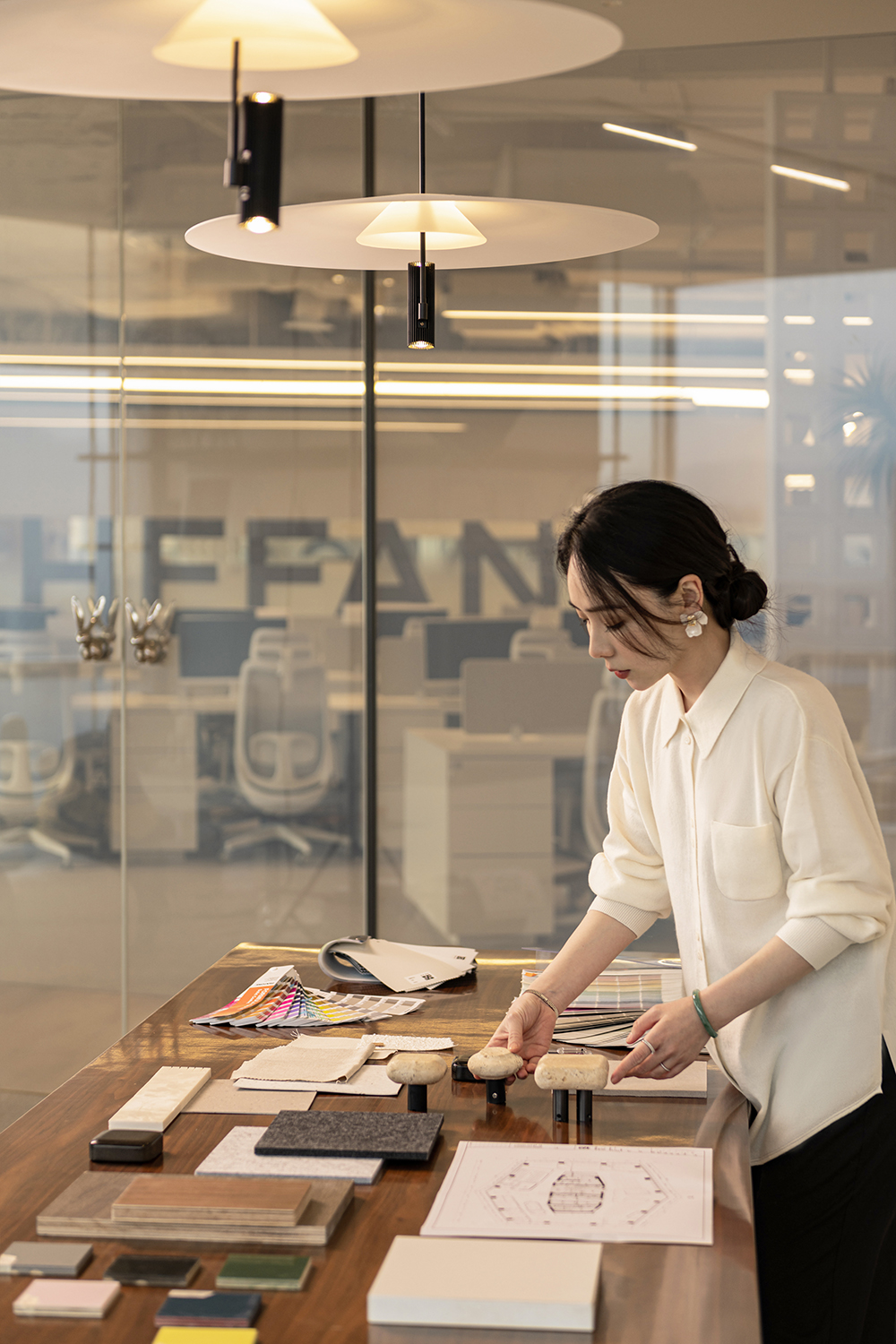
As one of the earlier Chinese designer brands to explore commercialization, HEFANG became one of the first designer jewelry brands to enter Tmall e-commerce in 2016; in 2018, the brand opened its first physical stores in Guangzhou K11 and Beijing Sanlitun, and has attached great importance to the iteration of store image over the years.
Today, HEFANG's store image has iterated to version 4.0. For example, the "HEFANG Inspiration Study" in Beijing Sanlitun, the "Fantasy Harbor" in Shenzhen Bay MixC, and the "Home by the Sea" in Zhuhai Huanyu City all create exquisite store atmospheres with distinctive themes.
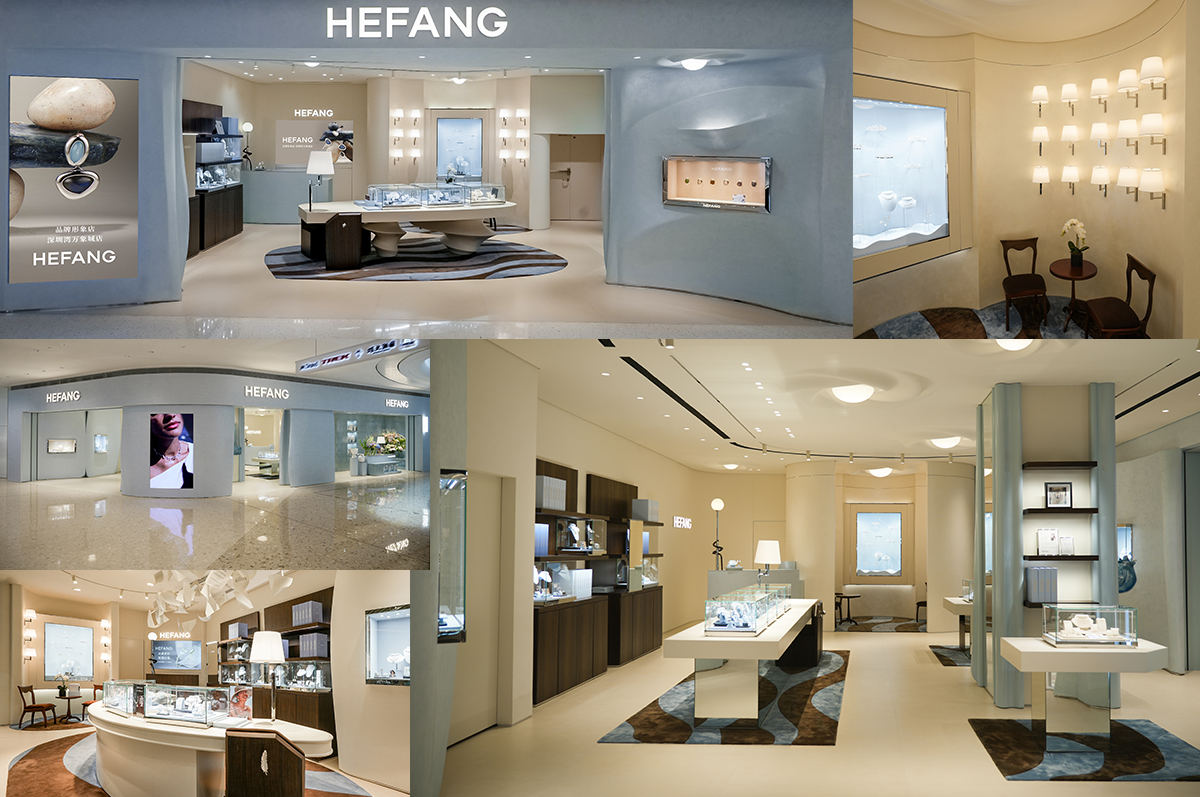
HEFANG 4.0 brand image store
As the company and brand scale expand, Sun Hefang admits that she faces more and more difficulties, such as the flood of counterfeit products and suppression from overseas brands. Being forced to respond time and again in real business battles has made her think about giving up countless times. Over the past 13 years, Sun Hefang has gradually found her mantra for perseverance—sticking to her own rhythm.
When talking about the results of this Double 11, what she emphasizes more is "stability".
Offline, HEFANG also maintains a prudent pace. Even against the backdrop of consumption pressure and some overseas brands shrinking their stores, HEFANG still maintains a steady pace of opening a dozen to twenty new stores each year. "We don't deliberately chase numbers, but adjust to a rhythm that suits us based on goals and the environment."
In a highly homogenized accessories market, with the combined capabilities of "design-driven + emotional narrative" and the support of a mature supply chain, HEFANG has gradually built brand recognition. The mindset of interactive co-creation with users also constitutes HEFANG's advantage of being closer to users than overseas brands. And long-term investment in brand channels and image gives the brand more confidence in competing with overseas affordable luxury jewelry brands.
Conclusion
Sun Hefang's WeChat signature "Look up at the stars, keep your feet on the ground" reflects her two sides as a designer and business manager—emotional and rational—and tells of her romantic yet pragmatic brand philosophy.
"I cherish this brand founded with my own name very much."
Sun Hefang's original intention in founding the brand was to "bring back to China what I learned overseas and a relatively international aesthetic, and try to see if I could build a good brand." After achieving certain results in the domestic market, she said the next step is "we want to become a brand that can represent China on the international stage."
This year, Sun Hefang and her alma mater Central Saint Martins jointly established the HEFANG Award jewelry course collaboration project. Sun Hefang recalls that when she was studying, she participated in scholarship programs cooperated by brands such as Cartier and Swarovski with the school. Now being able to return to her alma mater with her own brand, she feels very proud.
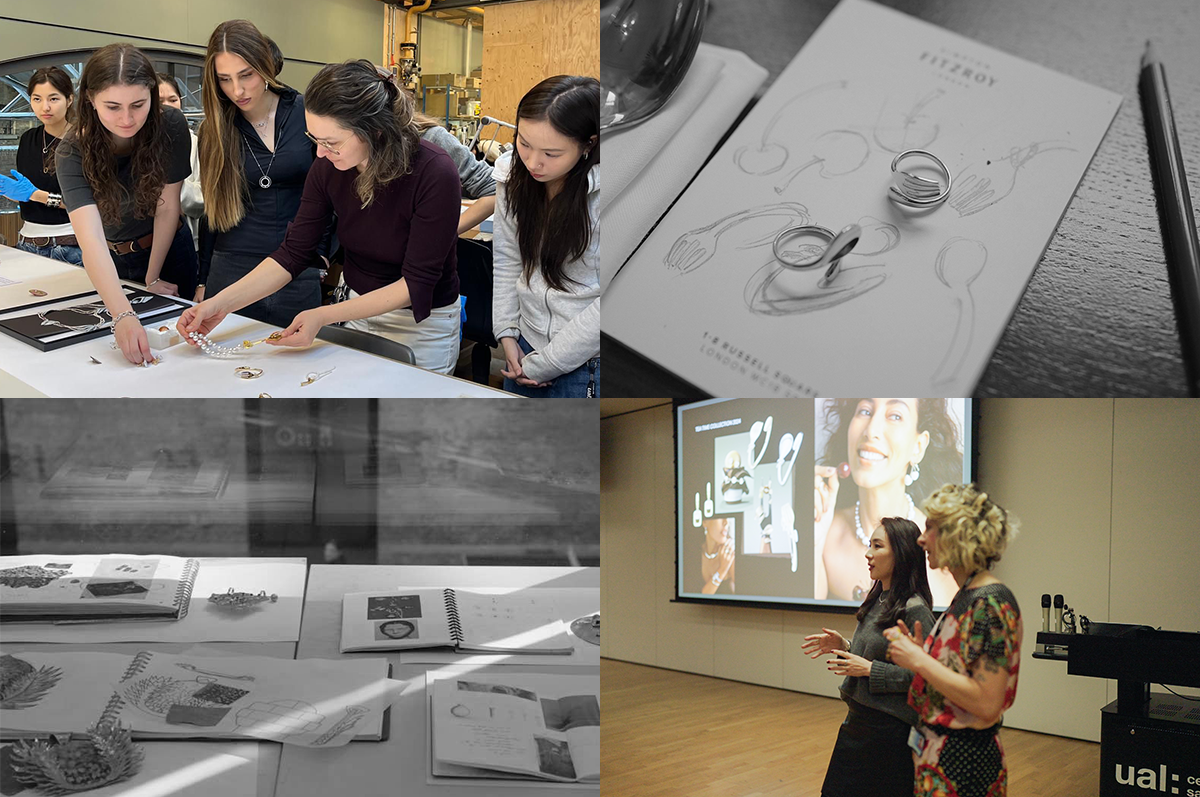
The growth of HEFANG demonstrates the development path of Chinese designer brands from niche to mainstream, and also reveals the potential of the jewelry sector to advance from Made in China to Designed in China and Chinese brands.
In the long run, sustained innovation will also propel Chinese brands to go further in the upward channel of higher positioning and larger markets.
From launching wedding crowns priced at nearly 10,000 yuan, to the earphone accessories collaboration with Huawei that broke boundaries, to the already launched overseas official website, these are just the starting point of HEFANG's "look up at the stars, keep your feet on the ground." It will also become a vivid example of Chinese brands practicing "long-termism."
| Image source: Provided by HEFANG brand
| Editor: Elisa