
Cashmere, long known as "soft gold," is arguably a crucial yardstick for defining the stature of a luxury brand's apparel business. For French luxury giant Hermès, which built its name on leather goods, developing ready-to-wear is key to constructing a more balanced luxury ecosystem and deepening customer relationships. And cashmere is precisely its breakthrough point for replicating its leather goods success in ready-to-wear.
Recently, Hermès announced the acquisition of a 15% stake in Italy's top cashmere company COLOMBO, drawing widespread attention in the industry.
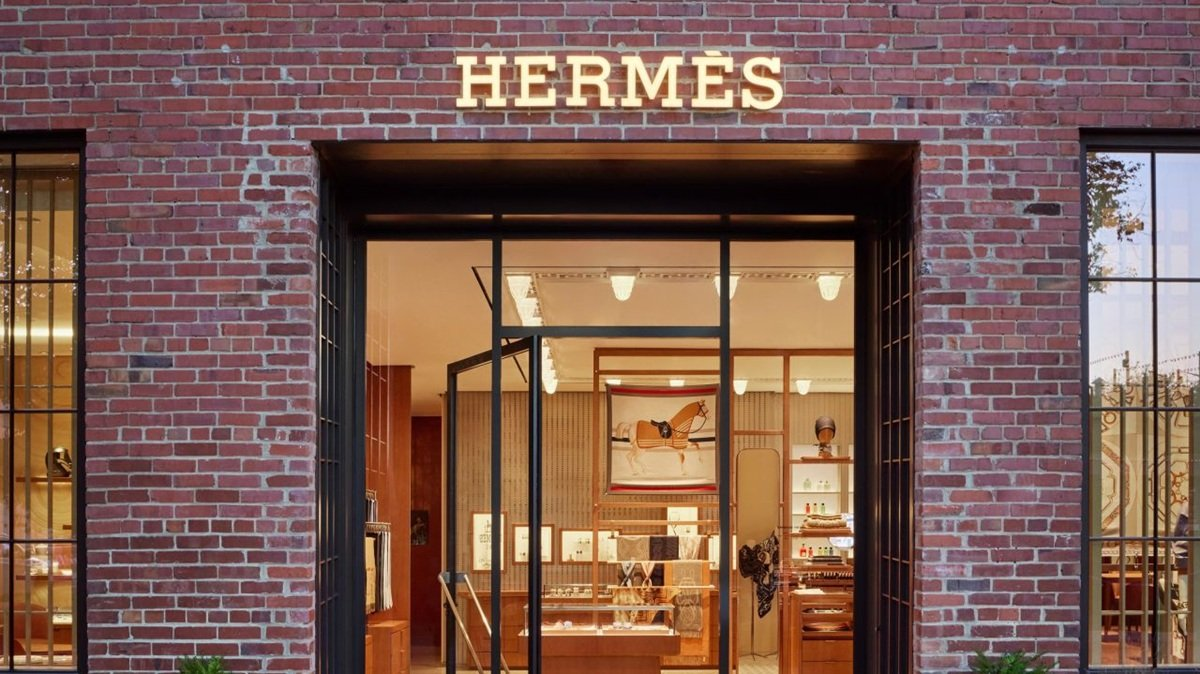
As the luxury leader with the strictest control over its "supply chain," Hermès has established a highly vertically integrated business model with France as its absolute core. According to official documents released by Hermès in 2025, 55% of its products come from exclusive in-house workshops, 74% are produced in France, and leather goods are 100% made in France. Hermès has always emphasized absolute control over its sources. All leather is purchased directly from tanneries in France, Italy, Germany and Spain. In addition, core raw materials such as silk, cashmere, metals and minerals also have dedicated global supply systems.
So when Hermès decided to push into the "cashmere" category, why did it choose to build a deeply bound partnership through an investment in COLOMBO? Luxe.CO explores this in the following article.

Above: COLOMBO Milan store, Italy
1. Pushing into Cashmere, Controlling the Source
In luxury ready-to-wear, the raw material cost and craftsmanship difficulty of cashmere together support the ceiling on pricing, and COLOMBO is known as the "Hermès of fabrics" and is globally recognized as a cashmere specialist in the high-end fiber field.
COLOMBO was founded by Luigi Colombo in 1967 in Piedmont, Italy, and is still helmed by family members today. Its client list includes Hermès, Louis Vuitton, Chanel and many other top luxury brands. Among them, COLOMBO's partnership with Hermès is particularly close, having long been an important fabric supplier for Hermès' high-end knitwear, shawls and ready-to-wear collections.
Jean Louis Dumas, the fifth-generation head of Hermès, once said that COLOMBO is Hermès' most important cashmere fabric partner.
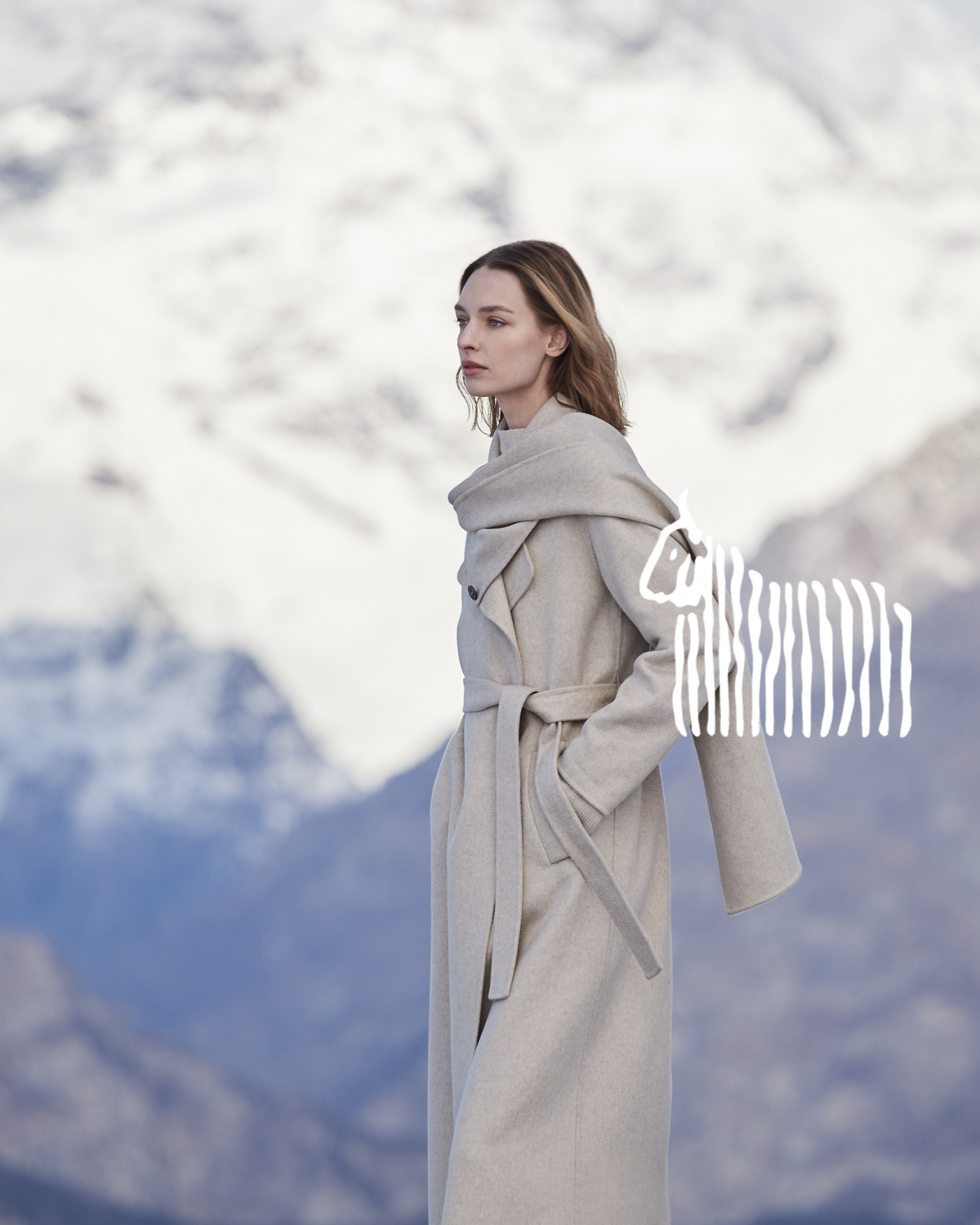
COLOMBO's core moat is built on control of the source. It has long been committed to the research and development of natural rare materials such as vicuña, kid cashmere and Siberian ibex cashmere (Yangir), and through process innovation it continuously pushes the boundaries of materials, further cementing its industry position.
As early as the 1960s, founder Luigi Colombo invented "double-faced cashmere" fabric, which is 50% lighter than ordinary cashmere fabric yet warmer. COLOMBO is also the inventor of "water-ripple" fabric, using a proprietary sable-ization process to create a wavy texture on the surface of cashmere fabrics, not only redefining the visual and tactile qualities of cashmere but also making it a symbol of "quiet luxury" favored by global luxury brands as well as Hollywood stars and royalty.
At the same time, COLOMBO continues to break through in cashmere performance. Its CASHMERE 4.0 collection uses a special process to transform raw materials into "hollow fibers," creating an ultra-light pure cashmere weighing only about 150 grams yet with excellent wrinkle resistance and lightness. This technology breaks the seasonal and heavy limitations of traditional cashmere, enabling it to adapt to a wider range of wearing scenarios and climates, essentially expanding the modern possibilities of cashmere.
These capabilities all rest on the depth of COLOMBO's vertically integrated full supply chain — from fiber selection to the final garment, almost all of COLOMBO's core processes are completed in its own historic workshops in Borgosesia and Ghemme, Italy.
Therefore, for Hermès, just as the brand controls rare leathers, investing in COLOMBO aims to achieve similar control over the cashmere supply chain, ensuring that its ready-to-wear line has solid support in top-tier materials.
It is precisely by virtue of its control over top-tier raw materials and its integrated supply chain that COLOMBO, like Italian brands such as Loro Piana and Zegna, is following a path rooted in supply chain strength, advancing from a "production-oriented" company known for luxury fabrics to a contemporary luxury brand that reaches global high-end consumers directly.
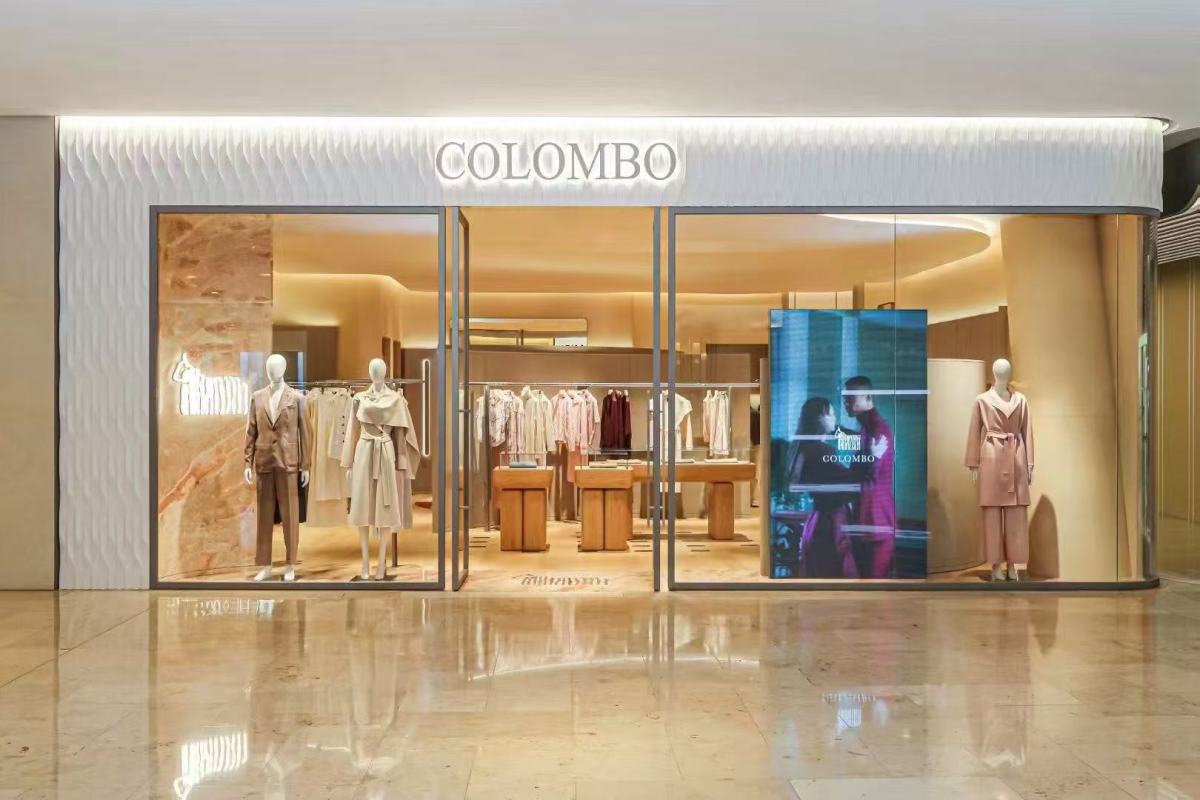
Above: COLOMBO Nanjing Deji store
2. China: The Key Market for COLOMBO's Brand Breakout
Over the past two years, growth in the global luxury market has slowed overall. Chinese consumers may have become the world's most discerning consumers, and their emphasis on product quality, craftsmanship and distinctive style is rapidly overtaking the pursuit of conspicuous logos.
Under this trend, brands known for top-tier materials and exquisite craftsmanship continue to show strong resilience — which is precisely the core reason why "niche luxury brands" focused on cashmere fabrics, such as Loro Piana and Brunello Cucinelli, are increasingly favored by high-net-worth clientele.
Compared with Loro Piana and Brunello Cucinelli, COLOMBO entered the Chinese market latest, only formally establishing a presence in 2021. By then, the market had already been educated by forerunners, which instead provided COLOMBO with an opportunity for a differentiated entry.
——Deepening Ready-to-Wear and Fabrics, Anchoring Mature Clientele
COLOMBO's core clientele in the Chinese market consists mainly of mature consumers who have already completed their luxury education. In terms of age, the main clientele is concentrated in the 35-45 range, while younger high-net-worth individuals aged 28-35 also account for a significant proportion.
These customers have largely completed the cognitive upgrade from "chasing logos" to "pursuing quality," and are themselves loyal customers of brands such as Hermès and Chanel.
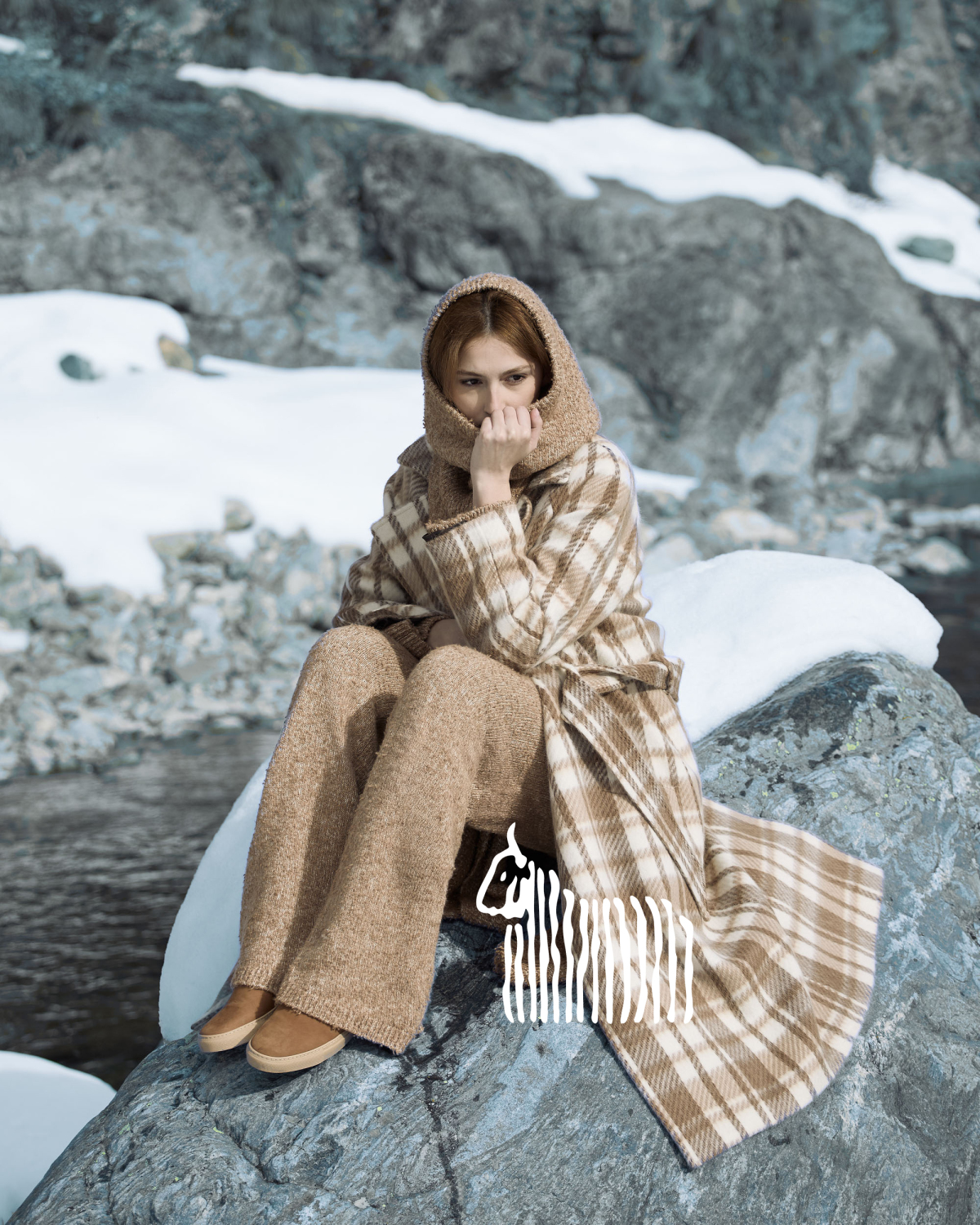
Unlike competitors that have expanded into categories such as leather goods and footwear, COLOMBO has always remained deeply focused on ready-to-wear, concentrating on fabric innovation and diversity. Its products are more youthful in cut and design, offering more choices for customers seeking ultimate fabrics and fresh wearing experiences.
It is worth noting that COLOMBO's earliest core customers in the Chinese market were a group of male customers well versed in fabrics. Because they frequently commission high-end made-to-measure garments, they have a deep understanding of fabrics, and their word-of-mouth recommendations drove the development of the female customer base.
Today, COLOMBO's core customers are mostly motivated by the pursuit of a "sense of uniqueness," curiosity about and desire to explore rare materials, and the aspiration to continuously optimize their wearing experience through innovative fabrics.
——Choosing High-End Malls, Becoming "Neighbors to Top Luxury"
In terms of expansion pace, COLOMBO is relatively restrained, emphasizing "steady progress." At present, the brand has opened 11 stores nationwide, initially forming a network covering South China, Southwest China, Central China, East China, North China and Northwest China, all located in high-end commercial complexes in core business districts, including commercial landmarks such as Beijing SKP, Nanjing Deji, Shenzhen MixC and Shanghai Grand Gateway 66.
Specifically in terms of site selection, COLOMBO's stores are mostly neighbors to top luxury brands. Among the commercial complexes the brand has entered, 60% also house Hermès. At Beijing SKP, COLOMBO's store is located right next to the VIC Lounges (VIP lounges) of Chanel, Louis Vuitton and Dior. Such a layout enables the brand to directly reach the high-net-worth clientele with the strongest spending power and the most mature brand awareness, efficiently converting potential customers through the "neighborhood effect."
In addition, due to the particular nature of the high-end ready-to-wear category — which places more emphasis on touch, experience and personalized service — COLOMBO has not entered mainstream e-commerce platforms, using only a WeChat Mini Program as an extension of online display and customer service.
Since entering the Chinese market in 2021, COLOMBO has achieved explosive growth. Its success in the Chinese market has also become an important engine and source of confidence for COLOMBO's global expansion. Currently, COLOMBO has six stores in Italy and has established retail outlets in the UK, Japan, Russia, Istanbul and other locations.
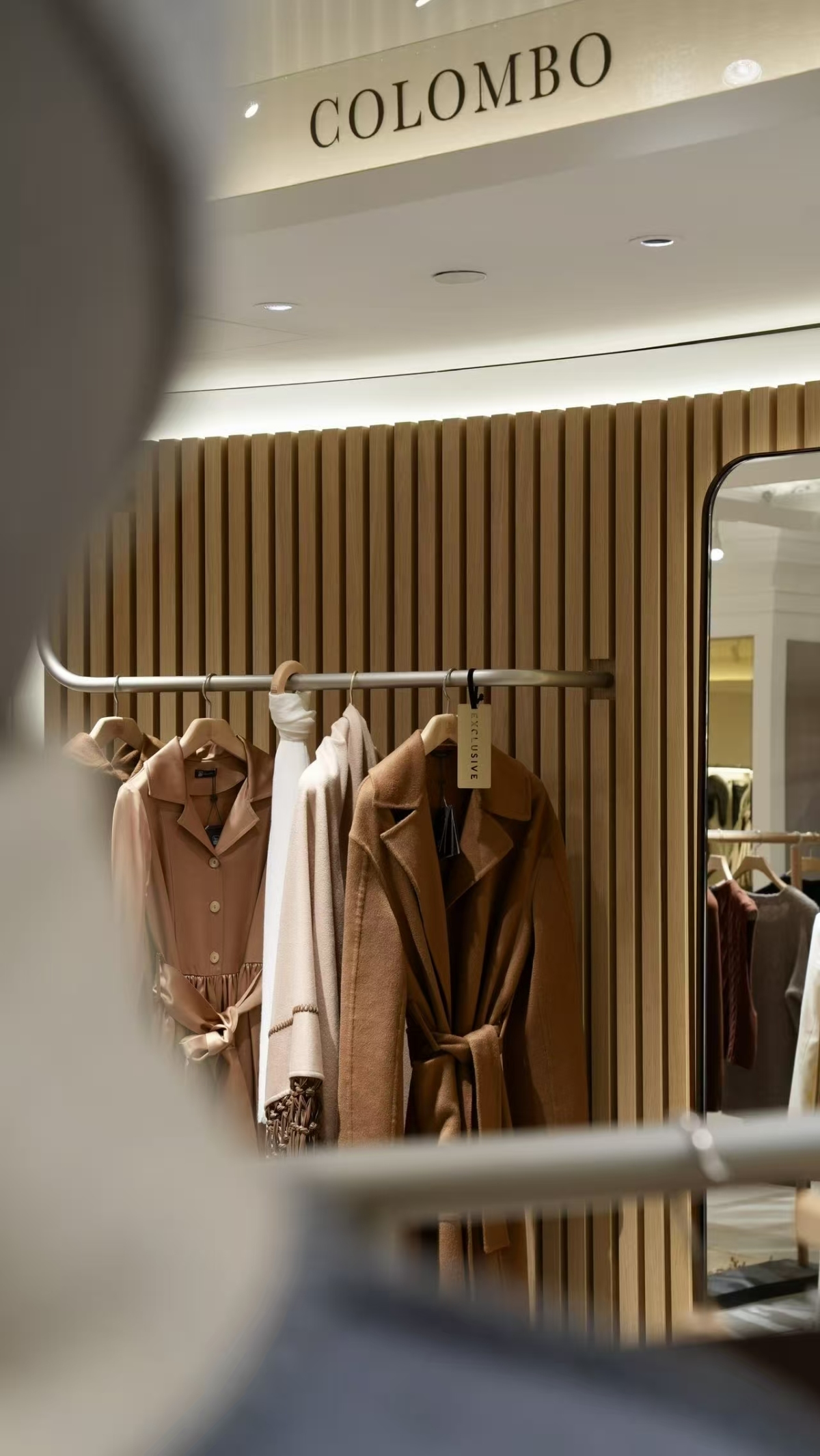
Above: COLOMBO Harrods store, London
3. Conclusion
Ultimately, Hermès' investment in COLOMBO is about shoring up the foundation of luxury — "authenticity."
So-called "authenticity" is the strongest fortress for a luxury brand in maintaining pricing power, customer loyalty and industry status. It is jointly constituted by key dimensions such as the scarcity of materials, craftsmanship and artisanship, time and heritage, and consistency of brand philosophy — and it is the real reason top clients are willing to pay a premium for it.
Hermès' "authenticity" is reflected in its meticulous selection of rare leathers, and also in the long tradition of artisans trained over many years who devote dozens of hours to hand-stitching each bag from start to finish. Take the Kelly bag, one of Hermès' most complex models: each Kelly bag is made individually by a single artisan in Hermès' own leather goods workshop, taking 14 to 20 hours.
And COLOMBO itself is a very intuitive embodiment of "authenticity," rooted in its fully proven ability to control, develop and transform rare natural materials such as cashmere and vicuña.
This is also why, when COLOMBO evolved from a top "production-oriented" company into a contemporary luxury brand facing consumers directly, it was able to quickly gain recognition and a following among global high-end consumers. And the brand's commercial miracle achieved in just five short years in the Chinese luxury market, in turn, validates COLOMBO's formidable product strength — making Hermès' investment endorsement all the more a natural outcome.
Today, the competitive dimension of the luxury industry is tilting upstream. Control over rare raw materials and top-tier craftsmanship has gone beyond simple financial considerations and become the key to whether a luxury brand can possess "authenticity" and win the future.
丨Image source: COLOMBO brand
丨Editor: LeZhi


