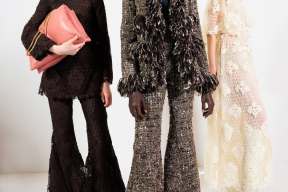
On November 21, the century-old Italian fashion house CURIEL announced that third-generation heir Raffaella Curiel passed away in Milan at the age of 83.
As the third-generation heir of the Curiel family, Raffaella carried on the haute couture legacy founded by her mother Gigliola Curiel, and also shaped CURIEL's distinctive creative language with her own vision. She believed that clothes should not disguise a woman, but should set off who she truly is. This understanding of women ran through her creations and became a spirit cherished by CURIEL.
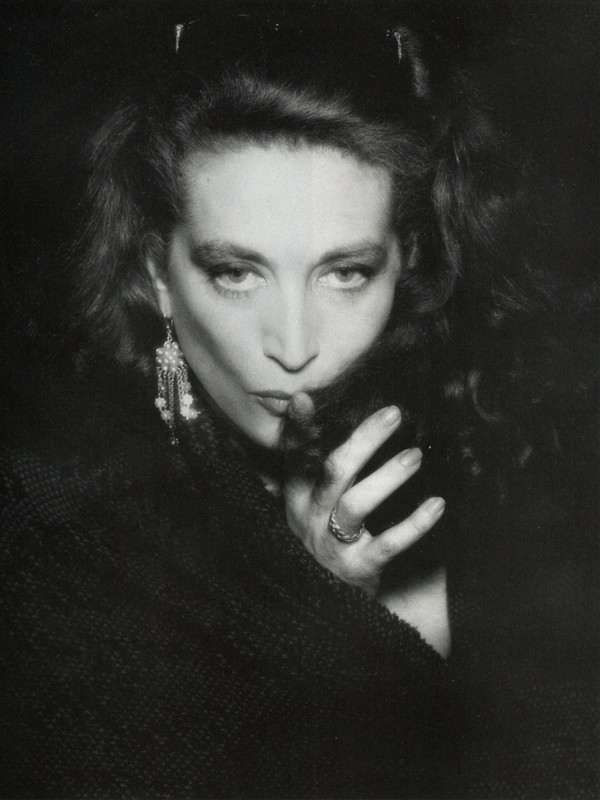
She was familiar with every stage of bringing a gown to life, from the first sketch to the final fitting. She continued the Curiel little black dress created by her mother, while also constantly developing her own design language. Art, literature and music were always her sources of inspiration. Since the early 1980s, she paid tribute to artists such as Klimt, Schiele and Frida Kahlo through her "Tribute to Art" series, integrating the art world into fabrics, colors, embroidery and silhouettes. For this, she was called "fashion's intellectual" by the Italian media.
Raffaella's creations accompanied many women through important moments in their lives. Women such as Margaret Thatcher and Hillary Clinton have worn her designs. Every year on the opening night of La Scala, she always looked forward to seeing women walk into the theater in gowns. That moment embodied her love for craftsmanship and her deep connection with Milan.
Raffaella was an important creator and inheritor in CURIEL's history. In 2016, the brand entered a new stage of development; and the design language she helped shape over decades, her understanding of women, and the haute couture tradition accumulated by the Curiel family remain an important part of CURIEL's brand history. Today, we remember her and pay tribute to the creations and spirit she left to CURIEL.
She believed that a beautiful gown should not overshadow the person wearing it, but should accompany her, give her confidence, and celebrate who she truly is. Raffaella's works remain not only in CURIEL's historical archives, but also in the lives and memories of countless women.
Raffaella Curiel left a unique and lasting mark on Italian fashion. Her creations and her understanding of women will continue to be an important part of CURIEL's brand history and spirit.
Biography of Raffaella Curiel:
Born in Gardone Riviera, Italy, in 1943, she was immersed in the world of fashion from an early age. In the early 1960s, after completing her classical studies, she considered studying medicine but ultimately chose fashion. She went to Paris to train under the master couturier Pierre Balmain, then returned to Italy to continue the legacy established by Gigliola Curiel.
In 1969, after her mother's death, Raffaella took over the family brand and in 1970 opened a studio on Corso Matteotti in Milan. That same year, she invited master designer Karl Lagerfeld to design a capsule collection for CURIEL, reflecting her openness to creative exchange—which would become a hallmark of her career.
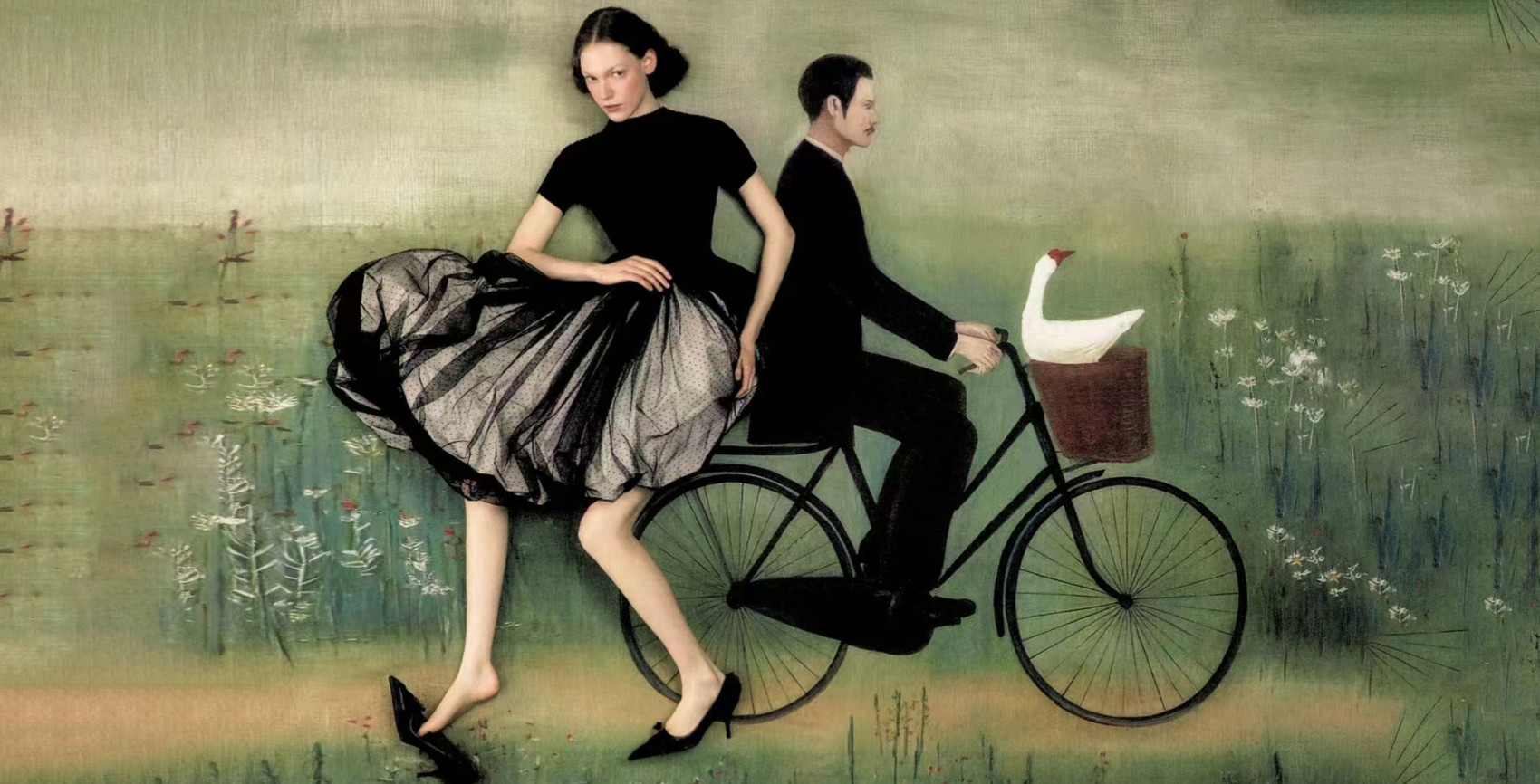
1982–1984: Raffaella Curiel began systematically introducing artworks into haute couture around 1982, and in 1984 formally established the framework of the "Tribute to Art" series, which continued for more than a decade, with some creations extending to 2016. She was the first designer in Italy to deeply integrate art with haute couture, a practice regarded as a unique precedent in Italian fashion history for "transferring paintings from canvas to fabric."
The subjects honored by the series spanned painting, literature and cultural geography. Painters and visual artists included Klimt, Schiele, Frida Kahlo, Van Gogh, Velázquez, Goya, Vermeer, Picasso, Degas, Monet, Matisse and Botticelli. In literature, Hugo and Proust also served as sources of inspiration for the series. In addition, the series extended to cultural themes such as Africa and Russia. Raffaella did not simply "copy" paintings, but translated the colors, brushstrokes and imagery of artworks into fabrics, embroidery and silhouettes. The fabrics used included chiffon, velvet, silk, crepe, knit and organza, and the transformation of "paintings into clothes" was achieved through hand painting, printing, embroidery and three-dimensional embellishment. This series established the foundation for her being called "fashion's intellectual" by the Italian media—here fashion is not merely decoration, but a wearable act of cultural reading.
In 1986, Raffaella began presenting haute couture collections in Rome.
1991–1996: In 1992, she opened a showroom in New York; in 1993, her daughter Gigliola Castellini Curiel joined the business and became her long-term partner in management and creativity. In 1994, CURIEL began producing high-end leather goods such as handbags and accessories; launched the eponymous Raffaella Curiel perfume; in 1996, launched a second perfume, "eu fraiche." In 1996, the brand entered the Japanese market, and under Raffaella's leadership CURIEL expanded into North Africa and East Asia.
In 1997, she was awarded the Knight Grand Cross of the Order of Merit of the Italian Republic (Cavaliere di Gran Croce).
In 2005, she held a 35th-anniversary charity fashion show, moving the haute couture collection usually presented in Rome to Milan.
In 2006, she participated in China Fashion Week, holding a large-scale fashion event at the China World Hotel in Beijing.
In 2008, she held a Frida Kahlo-themed fashion show in the Cariatidi Hall of the Palazzo Reale in Milan.
In 2016, CURIEL reached a partnership with RedStone Haute Couture, and the brand's studio moved from its historic address on Corso Matteotti to Via Monte Napoleone.
Raffaella Curiel's client list covered international political leaders, senior women of the Italian Republic and European high society.
Among international political figures, former British Prime Minister Margaret Thatcher and former U.S. Secretary of State Hillary Clinton are the two most frequently mentioned wearers. Former Egyptian First Lady Suzanne Mubarak was also among her clients. In Italy, she long provided clothing for women in the Presidential Palace and the core circle of government: Franca Ciampi, wife of former President Ciampi; Clio Napolitano, wife of former President Napolitano; and Marianna Scalfaro, wife of former President Scalfaro, all wore her designs. Her creations also extended to the public cultural sphere of La Scala. Raffaella Curiel long designed gowns for female guests on the opening night of La Scala.
With the core philosophy that "clothes should set off a woman, not disguise her," and with a design language that was simple, romantic, restrained and exquisitely crafted, she became an important representative of Italy's haute couture tradition from the second half of the 20th century to the early 21st century.
|Source: Official press release
|Image credit: Provided by the brand, official social media accounts
|Editor: LuxeCO